Quantix
Choosing the right H200 AI server manufacturer in 2026 requires more than comparing GPU counts. Global buyers must examine cooling design, supply continuity, validation records, warranty terms, and regional support. A server may look powerful on paper. It can still fail under sustained training workloads.
NVIDIA CEO Jensen Huang described the platform clearly: “The NVIDIA H200 is the world’s first GPU with HBM3e, the next-generation memory technology.” This statement highlights the H200’s central advantage: faster memory capacity and bandwidth for large language models, scientific computing, and advanced inference. However, the GPU alone does not define a reliable system. Rack airflow, power delivery, firmware management, networking, and workload tuning matter just as much.
This guide reviews leading H200 AI server manufacturers for international procurement teams. It considers practical deployment experience, engineering depth, product documentation, manufacturing scale, and after-sales responsiveness. It also addresses less visible risks, including long lead times, incomplete compatibility details, and unclear service coverage. Those issues are easy to ignore during a rushed purchase.
No manufacturer is perfect.
Some suppliers excel in customization but provide weaker global support. Others offer strong service networks but limited configuration flexibility. Buyers should compare verified specifications, test reports, certifications, and customer references before signing contracts. Pricing matters, but operational stability matters more. The best choice depends on the buyer’s region, model size, data-center design, and expected growth. This introduction provides a practical starting point for evaluating the 2026 market with greater confidence and fewer expensive assumptions.
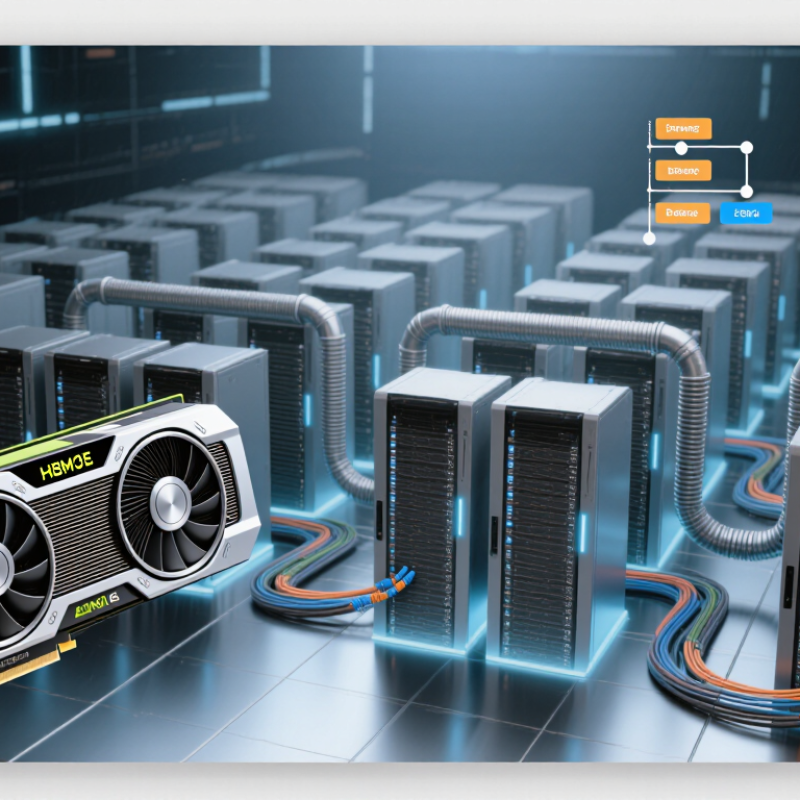
An H200 AI server is a compute system built around accelerators designed for demanding AI workloads. Each H200 accelerator provides 141 GB of HBM3e memory, with memory bandwidth reaching up to 4.8 TB/s. That capacity helps keep large model parameters and active data close to the processor. Less data movement can ease a common bottleneck during training and inference.
Configurations vary. A server may combine several accelerators with high-speed links, server CPUs, fast storage, and substantial power delivery. Cooling matters just as much. Under sustained workloads, fans may run loudly, and poor airflow can limit performance. Check the rack’s power and cooling capacity before choosing a system. The label alone proves little. Ask for the accelerator count, memory details, interconnect layout, and tested workload results. Real performance depends on software, model size, and data preparation, too. Peak figures look impressive, but they do not predict every job. I would compare measured throughput and operating conditions, while admitting that published results may not match a buyer’s own workload.
Illustrative aggregate HBM3e capacity by H200 GPU count. Each H200 GPU provides 141 GB of memory; totals are calculated by multiplying this per-GPU capacity by the number of GPUs.
When comparing H200 server manufacturers, start with the exact system configuration, not a headline GPU count. Confirm the number of accelerators, memory capacity, host processors, networking, and storage in the quoted build. Ask for a bill of materials and a sample system diagram. Details matter. Two servers described similarly may differ in power delivery or interconnect layout.
Cooling and power deserve close review. Request operating limits, rack-level power estimates, and cooling requirements under sustained workloads. A short demonstration may not reveal thermal throttling during long training runs. Ask how the manufacturer validates performance, and request test conditions rather than an isolated benchmark number. Ask for evidence. Also check compatibility with your existing rack, facility power, and network fabric before placing an order.
Support can matter as much as peak performance. Compare warranty coverage, response targets, spare-part availability, firmware updates, and help with deployment. For international projects, clarify shipping terms and where repairs can be handled. Request references from customers running similar workloads, while recognizing that their results may not transfer directly to your environment. No checklist catches every issue. I would also leave room for uncertainty: workload behavior changes, and published specifications cannot replace testing with your own software and data.
Leading H200 AI server manufacturers for global buyers do more than supply a powerful system. They help buyers match GPU configurations to real workloads, rack limits, and cooling plans. Ask for clear documentation on power draw, airflow, thermal behavior, and supported networking. A server that looks suitable on paper may need different cooling or rack preparation on site.
Useful evidence includes burn-in test procedures, component traceability, warranty terms, and a practical support route across time zones. Request configuration details in writing. Check whether the manufacturer can explain system performance under sustained workloads, not only peak specifications. Small details matter. For example, confirm connector placement, rail compatibility, and the space required for service access. These questions can reveal gaps before equipment reaches a data center.
Global buyers should also review shipping schedules, export documentation, local service coverage, and replacement-part availability. Requirements differ by destination, so confirm them with qualified local advisers rather than relying on broad promises. Compare manufacturers using the same workload assumptions and acceptance criteria. A factory visit or independent validation may help when the investment is substantial. There is no perfect shortlist; even a capable supplier can have limits in delivery capacity or regional support. State those uncertainties openly, then weigh them against technical fit, evidence, and service commitments.
Choosing an H200 AI server involves more than checking accelerator counts. Global buyers should confirm shipping lead times, regional technical support, and the availability of replacement components. Ask suppliers for a written configuration sheet covering GPUs, memory, networking, power requirements, and cooling.
Small differences matter. A rack designed for liquid cooling may not fit a site prepared only for air cooling.
Customization should match actual workloads and facility limits. Teams may need specific GPU configurations, high-speed networking, or storage sized for large datasets. Request thermal and power estimates before confirming an order, then compare them with the site’s measured capacity.
For deployment, agree on delivery milestones, installation responsibilities, firmware checks, and acceptance tests. One detail is easy to overlook: a server can arrive on time yet remain idle while cabling or rack space is prepared.
Planning is never perfect, so leave room for adjustments.
Tips: Share rack dimensions, power limits, cooling type, and network plans before requesting a quote. Ask for a sample validation checklist and clarify how support works across time zones. Record agreed specifications in writing.
An H200 server purchase should begin with workload fit, not accelerator count. Ask the manufacturer for a bill of materials covering GPU memory, host CPUs, networking, storage, and power draw. The IEA’s Electricity 2024 report estimates that data centers used about 460 TWh globally in 2022, with demand potentially exceeding 1,000 TWh by 2026. Power first. Request measured consumption and cooling requirements under sustained load, not just peak specifications. Uptime Institute’s 2024 Global Data Center Survey reported an average PUE of 1.58 for 2023. That makes facility efficiency relevant to operating costs. Confirm rack density, inlet-temperature limits, and whether liquid-cooling connections are included.
Then verify evidence, not promises. Request benchmark results using your intended model sizes, including tokens per second, first-token latency, and multi-GPU scaling. Ask how each test was configured; performance without batch size or precision is hard to compare. Check firmware control, component traceability, burn-in records, spare-parts availability, and regional support response times. Get written warranty terms for accelerators, memory, and cooling components. Include network compatibility, remote management, and security-update policies in your checklist. These details can feel tedious. They prevent costly surprises. Ask for a reference installation with similar rack power and ambient conditions, while remembering that another site rarely matches yours exactly.
Check accelerator count, memory, host processors, networking, storage, and power delivery. Request a bill of materials and system diagram.
Similar-looking systems may have different interconnect layouts or cooling needs. Details matter.
Request sustained-workload estimates, rack-level power figures, and cooling limits. Compare them with measured facility capacity.
Not always. Long training runs may reveal thermal throttling. Ask for test conditions and validation evidence.
Check rack dimensions, available power, cooling type, and network compatibility. A server may arrive before the site is ready.
Compare warranty coverage, response targets, spare parts, firmware updates, and deployment help. Ask where repairs can be handled.
Confirm shipping lead times, delivery terms, regional support, and replacement-part availability. Ask how support works across time zones.
Agree on delivery milestones, installation responsibilities, firmware checks, and acceptance tests. Leave room for adjustments.
References from similar workloads can help, but results may differ in your environment. I might still miss something; test with your own software and data.
This article explains the core features of H200 AI servers, including their role in demanding AI workloads and the importance of balancing accelerator performance, memory, networking, cooling, and power efficiency. It outlines practical criteria for comparing manufacturers, such as system design, component compatibility, reliability testing, technical support, and the ability to tailor configurations to different computing environments. Rather than relying on specifications alone, buyers should consider how a complete server platform will perform in their intended deployment.
The guide also examines what global buyers should assess when choosing an h200 ai server manufacturer, including supply availability, customization options, delivery coordination, and deployment assistance across regions. A final checklist helps buyers clarify workload requirements, confirm configuration and service details, evaluate long-term support, and compare total ownership considerations before making a decision.
