 Quantix
Quantix
Quantix
A data center ai server manufacturer designs, builds, and supports computing systems for intensive artificial intelligence workloads. These systems often combine high-performance GPUs, specialized processors, fast networking, and large memory capacity. They are built for environments where uptime, thermal control, and predictable performance matter every hour.
A reliable manufacturer does more than assemble hardware. It evaluates workload requirements, rack density, power availability, cooling methods, and deployment conditions. For example, an AI rack may require liquid cooling, redundant power supplies, and carefully balanced airflow. Small design choices can affect electricity costs and model training time. Cooling is decisive. So is service.
Experienced manufacturers also provide firmware validation, configuration guidance, monitoring tools, and replacement support. Their engineers should explain performance claims with measurable evidence, such as throughput, latency, energy use, and tested accelerator compatibility. Independent certifications and transparent warranty terms strengthen trust. However, product brochures rarely show every operational limitation. Real deployments may face noise, maintenance delays, software conflicts, or unexpected power peaks.
This guide examines what a data center ai server manufacturer actually does. It considers design expertise, manufacturing quality, system integration, technical support, and long-term reliability. It also asks a practical question: does the manufacturer understand the customer’s workload, or only the hardware specifications? That distinction is easy to overlook. Careful evaluation remains necessary, because the most expensive server is not always the most suitable one. A strong supplier should welcome difficult questions, document assumptions, and acknowledge where its recommendations may need further testing.
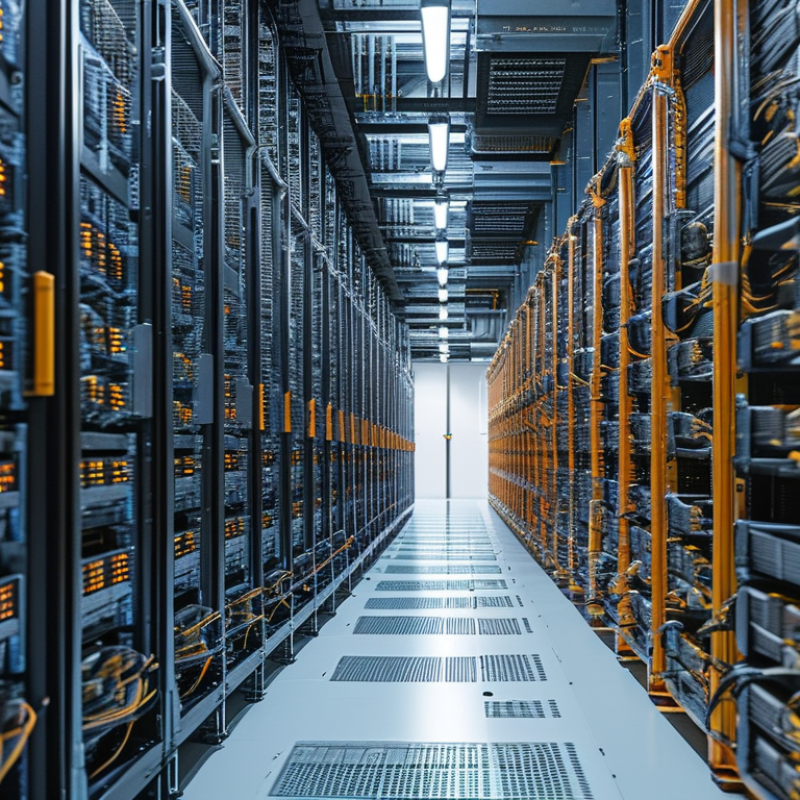
A data center AI server manufacturer designs and builds computing systems for demanding artificial intelligence workloads. Its role extends beyond assembling processors, memory, storage, and networking components. It must create reliable platforms that can train models, process large datasets, and support real-time inference.
The work begins with engineering decisions.
Manufacturers select suitable accelerators, high-speed memory, and efficient power systems. They also design airflow paths for servers operating under intense heat. In a working data center, technicians may inspect cable layouts, fan behavior, rack density, and maintenance access. Small details matter. A poorly placed cable can slow repairs.
Testing is equally important. Manufacturers validate performance, stability, firmware compatibility, and energy use before delivery. They may run extended workloads that reveal thermal problems or unexpected system errors. Experience often exposes issues that a specification sheet misses. No design is perfect. Some systems prioritize speed, while others favor lower power consumption or easier service. The manufacturer must explain these trade-offs clearly and provide dependable technical documentation. This role is not limited to hardware production. It includes lifecycle support, configuration guidance, replacement planning, and cooperation with data center operators. A reliable manufacturer listens to field feedback, admits limitations, and improves future designs. That honesty is sometimes overlooked.
It designs and builds systems for model training, large datasets, and real-time inference. A server is more than assembled parts.
Key components include accelerators, high-bandwidth memory, fast networking, storage, and efficient power systems. They must exchange data quickly.
AI processors generate concentrated heat inside compact chassis. Manufacturers use airflow paths, cold plates, or liquid cooling. Heat remains difficult.
They may require pumps, leak detection, and serviceable connectors. Technicians need clear access during maintenance. Leaks can become expensive problems.
Testing covers performance, stability, firmware compatibility, energy use, vibration, and thermal cycling. Extended workloads can expose hidden errors. Short tests are not enough.
Individual components may perform well under ideal conditions. Complete racks reveal airflow, cable, power, and network congestion issues. Real deployments are messier.
Firmware, telemetry, security controls, and orchestration tools help operators manage many servers. Automation reduces repetitive mistakes. It cannot replace judgment.
Higher speed may require more power and stronger cooling. Lower consumption may reduce performance or flexibility. There is no perfect design.
Support can include configuration guidance, technical documents, replacement planning, and lifecycle assistance. Clear explanations matter. Limitations should be admitted.
Technicians should inspect cable layouts, fan behavior, rack density, and maintenance access. A misplaced cable can slow repairs. Small details matter.
A data center ai server manufacturer is a specialized company that designs, builds, and supports high-performance computing systems for artificial intelligence workloads. Its role extends beyond assembling hardware: it combines advanced processors, accelerators, memory, storage, networking, cooling, and power management to create reliable platforms capable of handling demanding training, inference, and data-processing tasks. These manufacturers also apply engineering expertise to optimize performance, energy efficiency, scalability, and system compatibility.
The manufacturing process typically includes customized server design, component integration, firmware configuration, testing, and quality assurance. Products and services may include rack servers, GPU-accelerated systems, storage solutions, technical consultation, deployment assistance, maintenance, and lifecycle support. When evaluating a manufacturer, organizations should consider technical capabilities, product flexibility, reliability, energy efficiency, security practices, delivery capacity, warranty coverage, and after-sales service. A strong manufacturer should provide transparent specifications and scalable solutions that meet both current operational needs and future growth.
