Quantix
Quantix
Quantix
Premium server infrastructure, storage controllers, and GPU acceleration modules engineered to drive mission-critical enterprise environments.
Technical whitepaper analyzing hardware integrity, safety, and performance validation standards for high-density enterprise computing environments.
Within modern hyper-scale data centers and telecommunication facilities, hardware stability and network performance are intrinsically linked to electrical safety and electromagnetic compatibility. The Conformité Européenne (CE) marking is not merely a legal mandate for importing equipment into the European Economic Area; it is a structural benchmark certifying that the system's design adheres to strict mechanical, thermal, and electrical performance standards.
For high-frequency network elements, compliance under CE requires rigorous validation against the following regulatory directives:
A non-compliant server or network switch represents an operational risk. Undersized power distribution units (PDUs), inadequate magnetic shielding on high-speed transceivers, and poor signal integrity across the motherboard can cause signal degradation, packet loss, and localized electromagnetic interference (EMI). Quantix ensures all network hardware undergoes comprehensive testing under actual network simulation workloads to secure authentic CE certifications and maintain peak throughput under load.
How physical networking infrastructure is transforming to handle massive AI data transfer pipelines, next-generation PCI Express routing, and extreme thermal dynamics.
Transitioning from traditional copper-based QSFP connections to active optical cables (AOC) and silicon photonics to support massive bandwidths up to 800Gbps without signal attenuation or thermal bottlenecks.
Integrating Compute Express Link (CXL) into our servers, allowing memory sharing between CPUs and accelerator cards. PCIe Gen 5.0 bus architectures double the bandwidth of Gen 4.0 systems, crucial for multi-GPU arrays.
Engineering hardware frames optimized for hybrid air-liquid cooling configurations. As TDP values for next-generation AI processors cross 700W, advanced thermal interfaces are required to maintain network latency stability.
Quantix is positioning itself at the leading edge of these technological advancements. By dedicating our 78 specialized R&D engineers to architectural development, we integrate high-speed networking components with low-latency bus topologies. This guarantees that our systems remain forward-compatible with upcoming 1.6T network adapters and CXL 3.0 pooling memory architectures. Our hardware engineering is structured around scalability, preventing the typical bottlenecks caused by legacy system integration.
How Quantix's high-performance hardware architectures are deployed globally to support critical vertical industries.
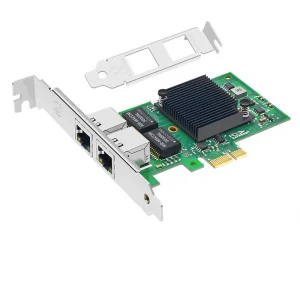
Modern machine learning training runs demand unparalleled throughput. A single training epoch for a large language model (LLM) involves terabytes of weight distribution parameters passing between GPU clusters via PCIe buses and high-speed switches. Quantix provides optimized GPU chassis assemblies designed to hold high-density acceleration boards, backed by dual 10G/40G network interfaces to eliminate compute idling times.
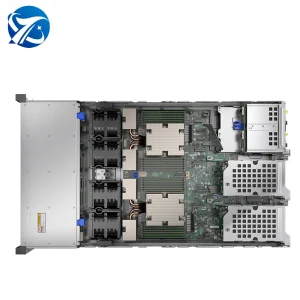
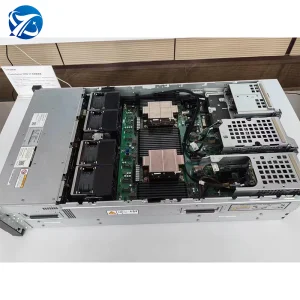
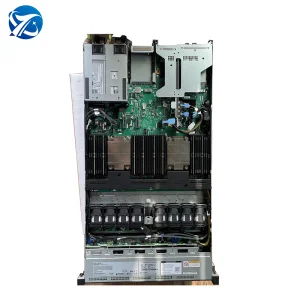
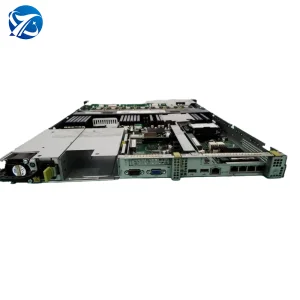
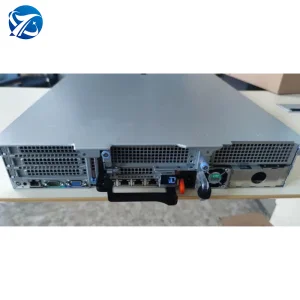
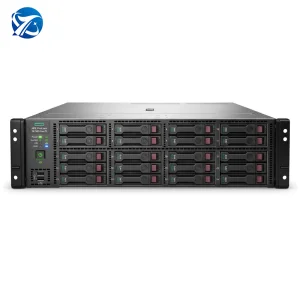
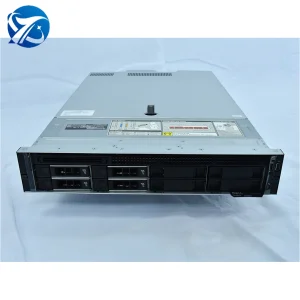
Cloud service providers require modular computing blocks that stack seamlessly, support virtualization, and limit power draw. Quantix's 1U and 2U rack mount options offer high-density core configurations (using high-core-count processors and high-capacity SSD arrays) coupled with CE-compliant power systems that lower PUE (Power Usage Effectiveness) ratings in global deployment operations.
In high-frequency trading and virtualization environments, single-digit microsecond latency spikes can result in lost transactions or disconnected microservices. By optimizing RAID controllers, memory configurations, and core bus systems, our servers keep internal and external interfaces synchronized under heavy, concurrent usage profiles.
HPC clusters need structural consistency and robust system management tools. We work with public and private research facilities to build custom clusters utilizing our advanced OEM/ODM solutions, offering flexible configurations designed for specific compute-heavy operations, such as climate modeling, molecular simulation, and astrophysical computations.
Combining modern manufacturing processes, exhaustive quality inspection pipelines, and strategic component alliances to secure predictable lead times.
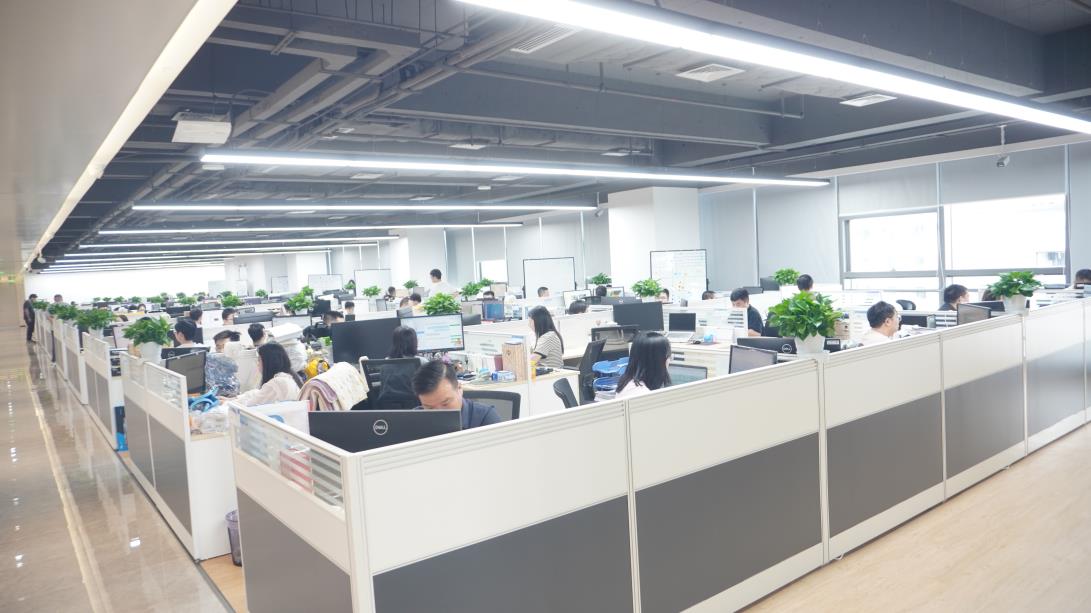
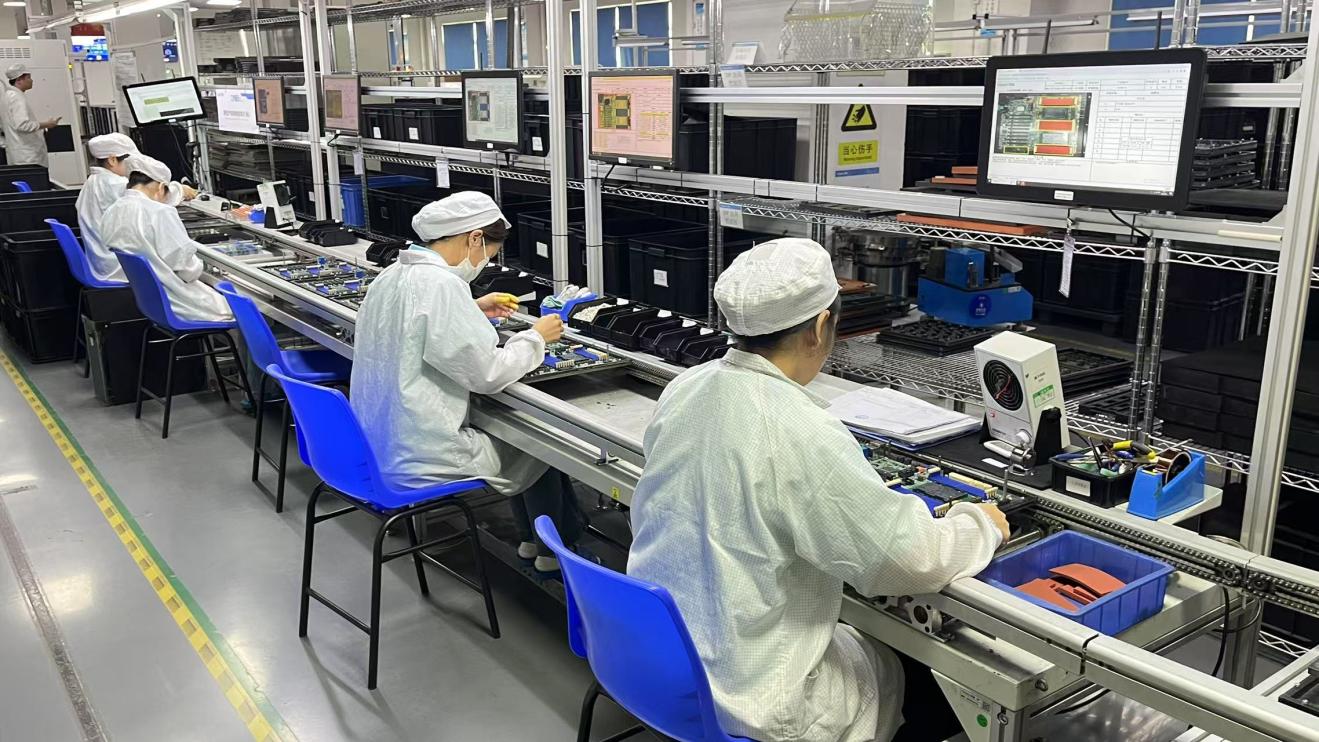
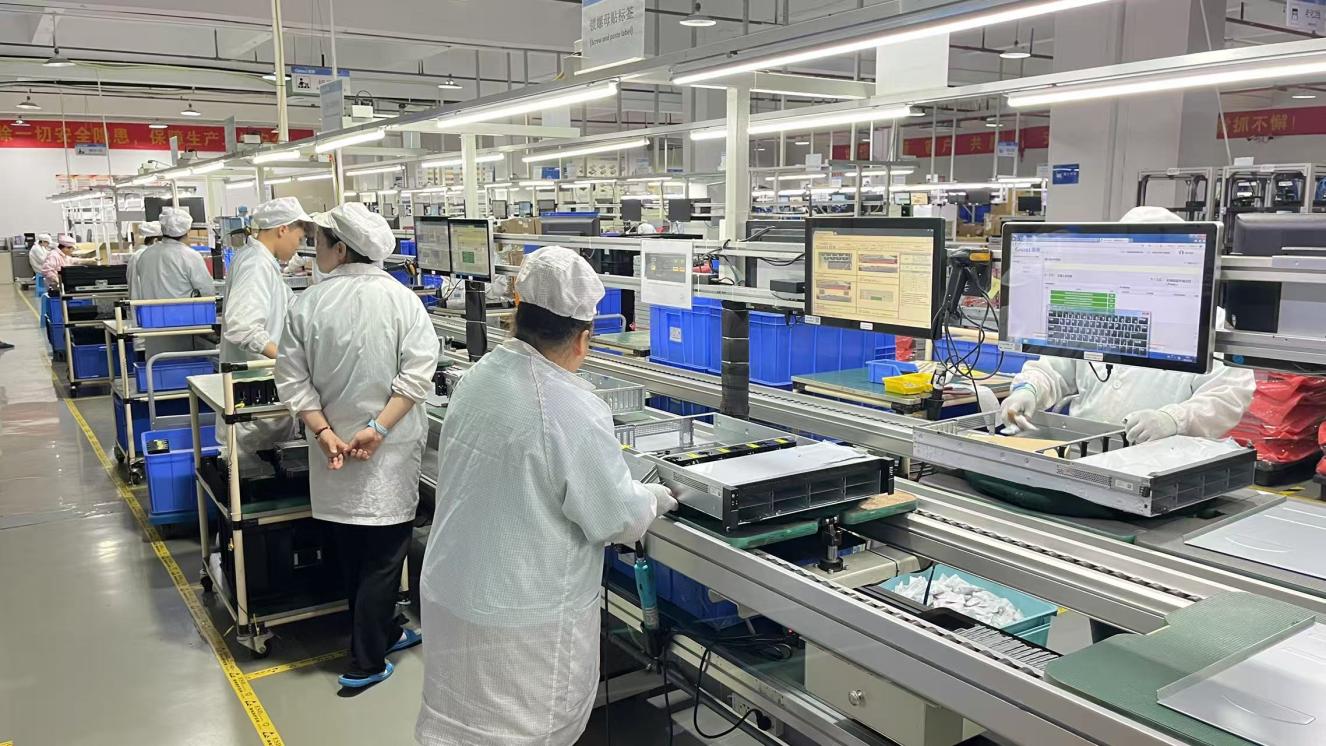
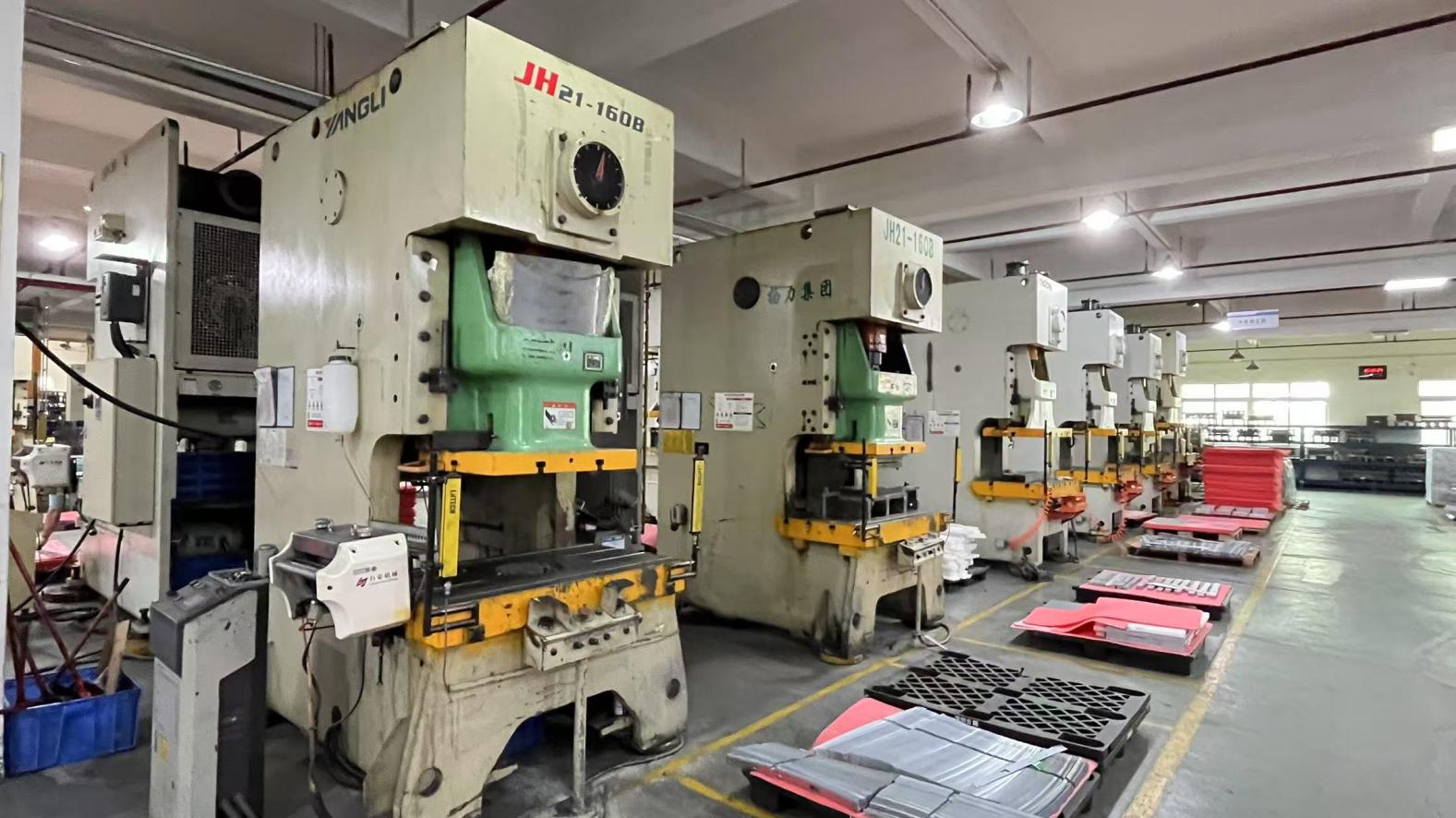
Operating from our modern facility in China, Quantix Intelligent Computing Co., Ltd. utilizes localized manufacturing structures and advanced production methodologies to deliver state-of-the-art server systems. Operating under strict ISO 9001 guidelines, our production line balances high volume output with precise quality assurance steps. We manage component provisioning through direct partnerships with more than 850 verified supply chain partners, guaranteeing that we maintain stable pricing and component availability even during global semiconductor shortages.
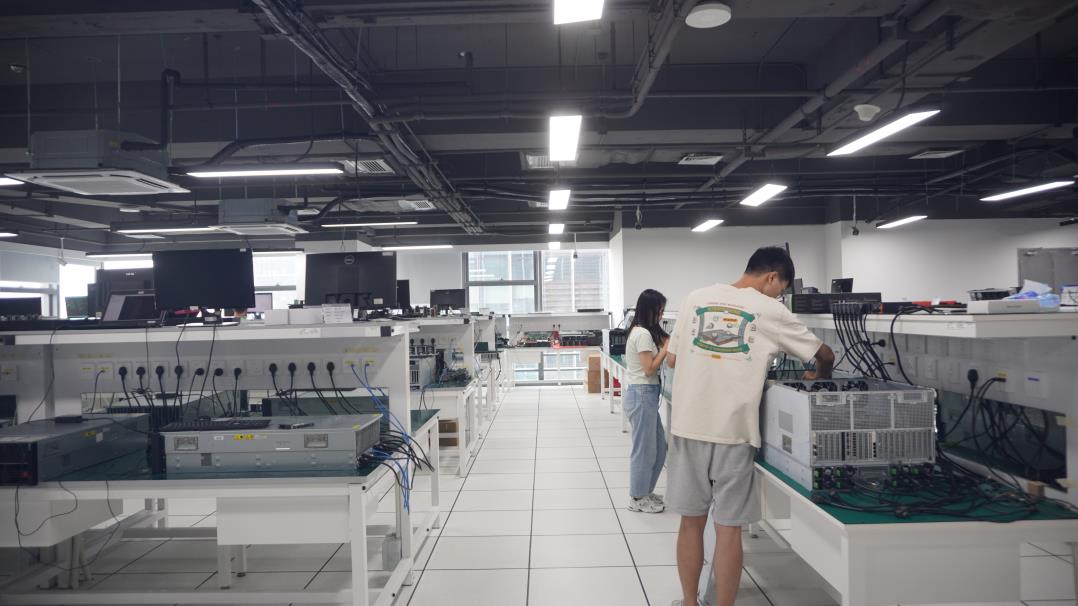
Our Quality Assurance Team: 46 dedicated QC specialists inspect every subcomponent that enters our factory. All fully built systems undergo a comprehensive 24-to-72-hour stress test, thermal testing, high-load memory sweeps, and rigorous network integrity validations prior to packaging and shipping.
Additionally, our 78 R&D engineers collaborate directly with clients to adapt standard system layouts to their physical environment. Last year, this collaborative process led to the launch of 126 new hardware configurations and upgraded solutions, satisfying custom requirements in thermal engineering, branding, and connectivity profiles.

Mitigating deployment risks through certified compliance pathways and responsive technical support across international borders.
Exporting high-performance computers to locations in North America, Europe, Australia, Southeast Asia, and the Middle East requires deep familiarity with localized import regulations. Our export team coordinates the customs clearance documentation, compliance certificates, and commercial invoices needed for smooth transport.
To support deployment, our Technical Engineering team provides:
We work with accredited third-party laboratories to test our hardware configurations, verifying that all electromagnetic shielding and electrical insulation conform to target market regulations. Our servers undergo thermal testing inside specialized chambers, monitoring heat dissipation under maximum processor and component workloads. This process prevents localized thermal issues that can lead to hardware throttling and performance degradation.
Quantix maintains updated CE Declarations of Conformity and RoHS certificates for our entire catalog, ensuring worry-free installation in European business environments.
Simplifying the sourcing and evaluation process for network architects, CTOs, and purchasing directors.
Enterprise sourcing requirements for server hardware extend beyond unit price. Modern procurement decisions evaluate long-term reliability, hardware footprint, configuration options, and power consumption profiles. Below is our procurement matrix showing how we optimize setups to lower Total Cost of Ownership (TCO) across typical network hardware classes:
| Hardware Class | Standard Configuration | Procurement Value Drivers | TCO Optimization Impact |
|---|---|---|---|
| High-Density 1U Servers | Dual-socket Intel/AMD, up to 32 DDR5 DIMMs, dual 10G SFP+ | Maximizes computing power per rack unit, certified CE power adapters. | Lowers rack leasing costs by up to 35% in commercial datacenters. |
| High-GPU Systems | 4 to 8 GPU boards, 4U chassis, dual redundancy power supplies | High-efficiency cooling tunnels, high-speed PCIe lanes. | Maintains stable training speeds with minimal thermal throttling. |
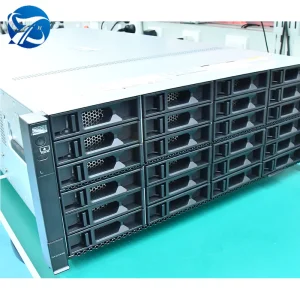
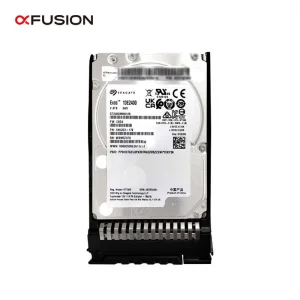
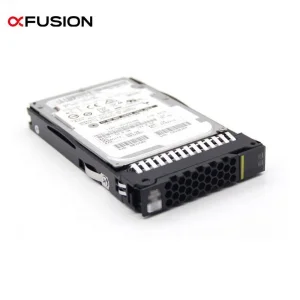
| Enterprise Storage Arrays | U.2 PCIe NVMe SSDs, SAS3808iMR controller, dual port SAS | Direct data path routing, hot-swap components. | Minimizes downtime with high MTBF components and redundant designs. |
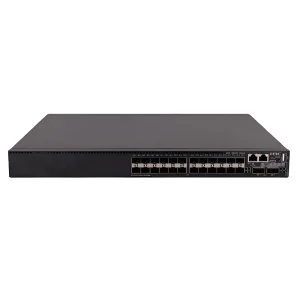
| Core Switch Gear | Multi-port 10G/40G options, Layer 3 processing, dual power feeds | Low-latency switching engine, robust EMI shielding. | Prevents data packet loss, protecting system-wide application response times. |
Detailed technical answers addressing common hardware selection, integration, and compliance questions.
Extend your infrastructure with high-reliability PCIe storage drives, multi-socket servers, cloud virtualization hosts, and L3 networking switches.