Quantix
Quantix
Quantix
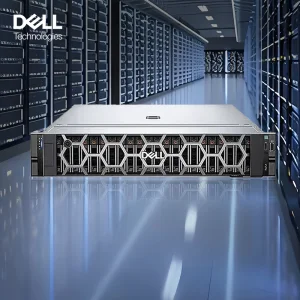
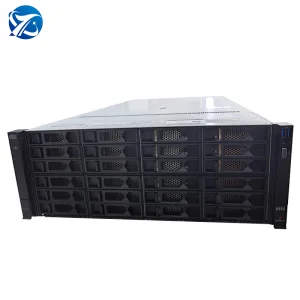
Explore our premium selection of advanced data center servers, GPU processing modules, and hyperconverged infrastructure systems designed for robust compute demands.
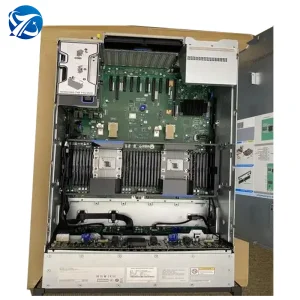

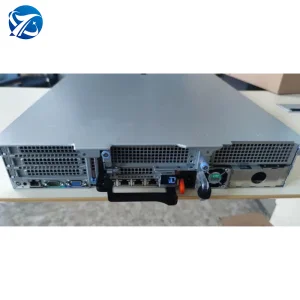
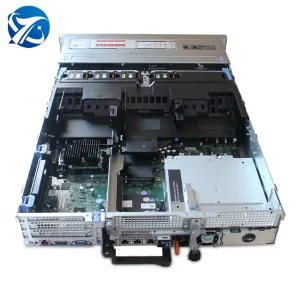
In a global landscape defined by artificial intelligence (AI) scaling, complex machine learning (ML) models, and exponential data growth, standard compute infrastructure no longer meets the performance demands of tomorrow's enterprise. Quantix Intelligent Computing Co., Ltd. stands at the intersection of high-tier hardware design and custom engineering to deliver bespoke GPU servers and AI infrastructure architectures.
Founded in 2017 in the technological hub of China, we have grown into a premier GPU server manufacturer and complete AI solution integrator. By bridging advanced industrial manufacturing with deep, domain-specific R&D, we enable startups, cloud hyperscalers, and scientific institutions to deploy tailor-made systems optimized for energy efficiency, extreme throughput, and hardware-level trust.
Delivering precision-designed IT hardware that matches exact workload profiles, from edge compute nodes to multi-petabyte AI storage clusters.
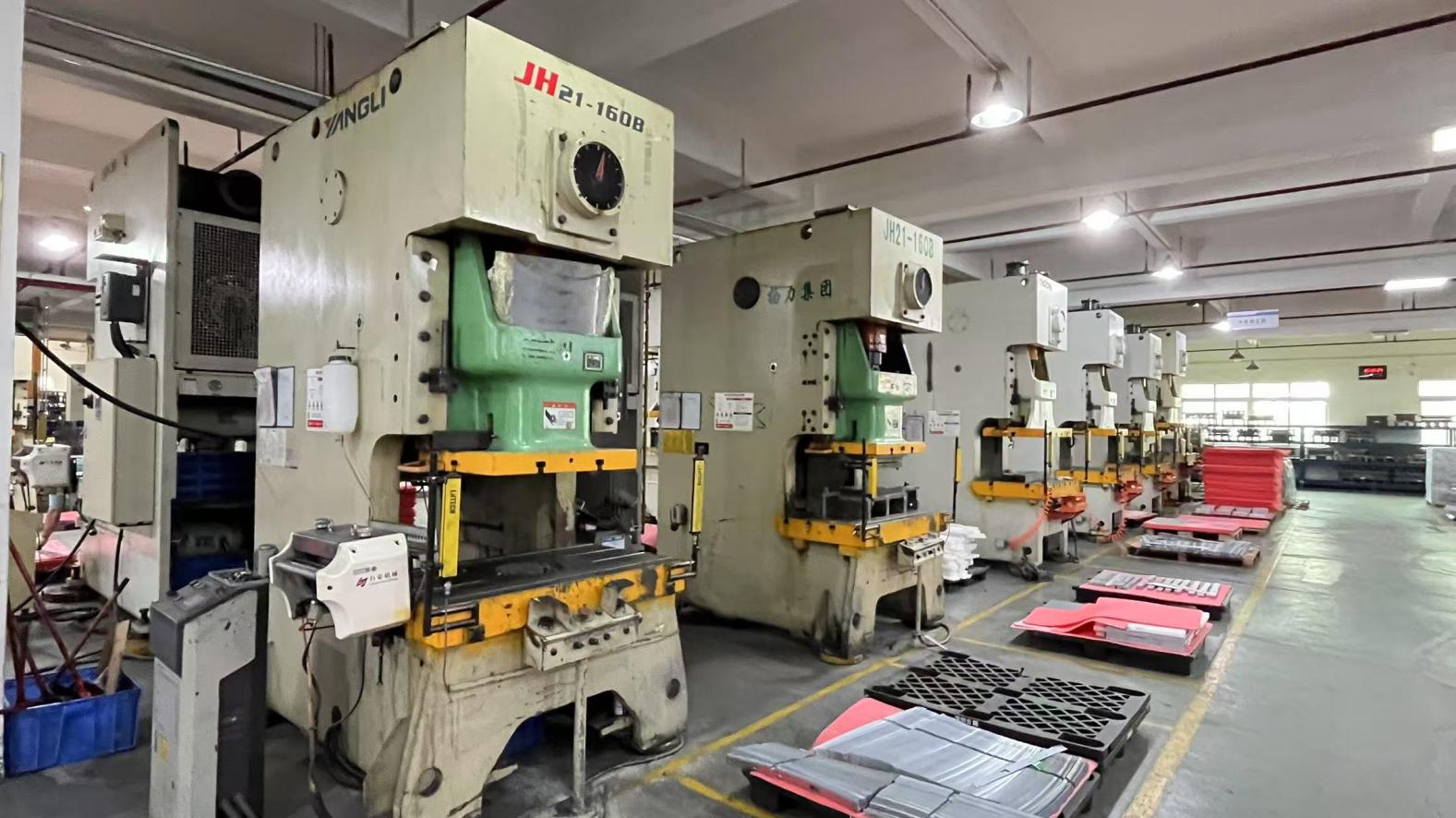
We custom-engineer mechanical designs, high-efficiency system boards, and PCIe routing patterns to support heterogeneous compute environments containing accelerators from global silicon providers.
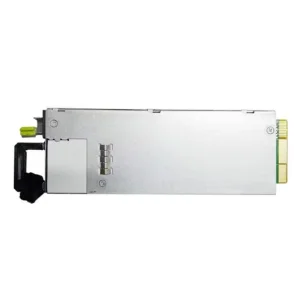
Deploying optimized fan-curve profiles, liquid-to-air cooling channels, and high-performance server power supplies (up to 2000W Platinum/Titanium efficiencies) for continuous execution envelopes.
From custom system boot screens to specialized IPMI baseboard management controller (BMC) configuration, we ensure your IT infrastructure aligns with enterprise cybersecurity policies.
Authored by the System Architecture & SEO Growth Team at Quantix Intelligent Computing Co., Ltd.
Modern data centers are undergoing a tectonic transformation. Legacy CPU-centric servers, which historically managed basic transaction tasks and file serving, are rapidly being replaced by specialized, accelerator-dense heterogeneous computing nodes. This transition is catalyzed by a constellation of structural demands, including high-scale artificial intelligence models (such as the emerging DeepSeek architectural framework, Llama series, and proprietary massive language models), real-time computer vision processing, predictive genomics, and decentralized financial computations.
Key technological changes shape this new reality:
Purchasing standard off-the-shelf equipment from major Tier-1 vendors presents financial and operational challenges for modern enterprises. As IT budgets are scrutinized, Chief Technology Officers (CTOs) focus on Total Cost of Ownership (TCO) optimization. Standard servers often come with expensive software bundles, proprietary hardware components that lead to vendor lock-in, and generic configurations that do not align with specialized workflows.
A customized OEM/ODM approach solves these issues by providing custom compute density, tailored I/O expansion, and bare-metal BIOS settings. A cloud service provider running high-volume storage, for instance, might require a shorter chassis depth to fit legacy cabinets, combined with massive 3.5-inch drive capacity and budget-focused networking. In contrast, an AI startup training large language models requires maximum PCIe lane allocation, dense GPU clustering, and high-wattage power supplies.
By tailoring hardware configurations to precise application profiles, procurement managers reduce hardware waste, optimize rack utilization, and lower ongoing operating costs. Crucially, customized BIOS and IPMI systems allow secure, remote configuration across different cloud environments, enhancing administrative efficiency.
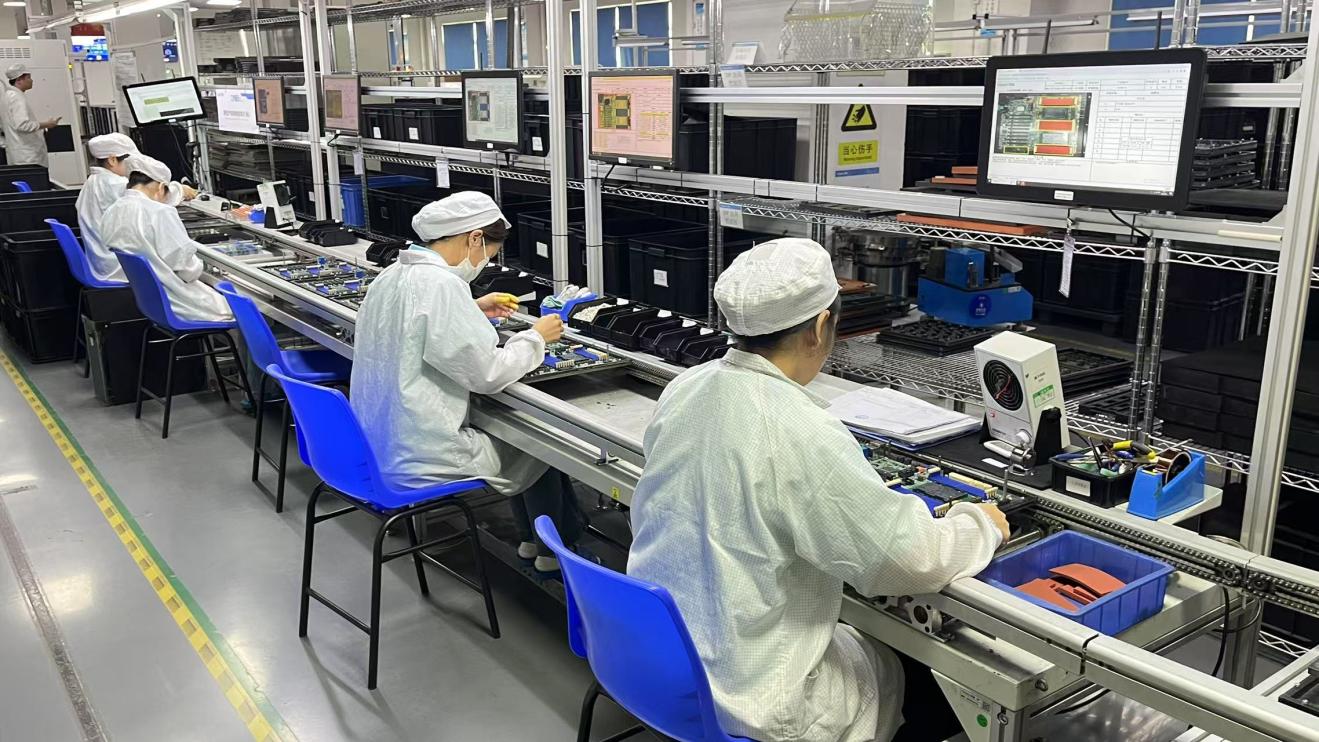
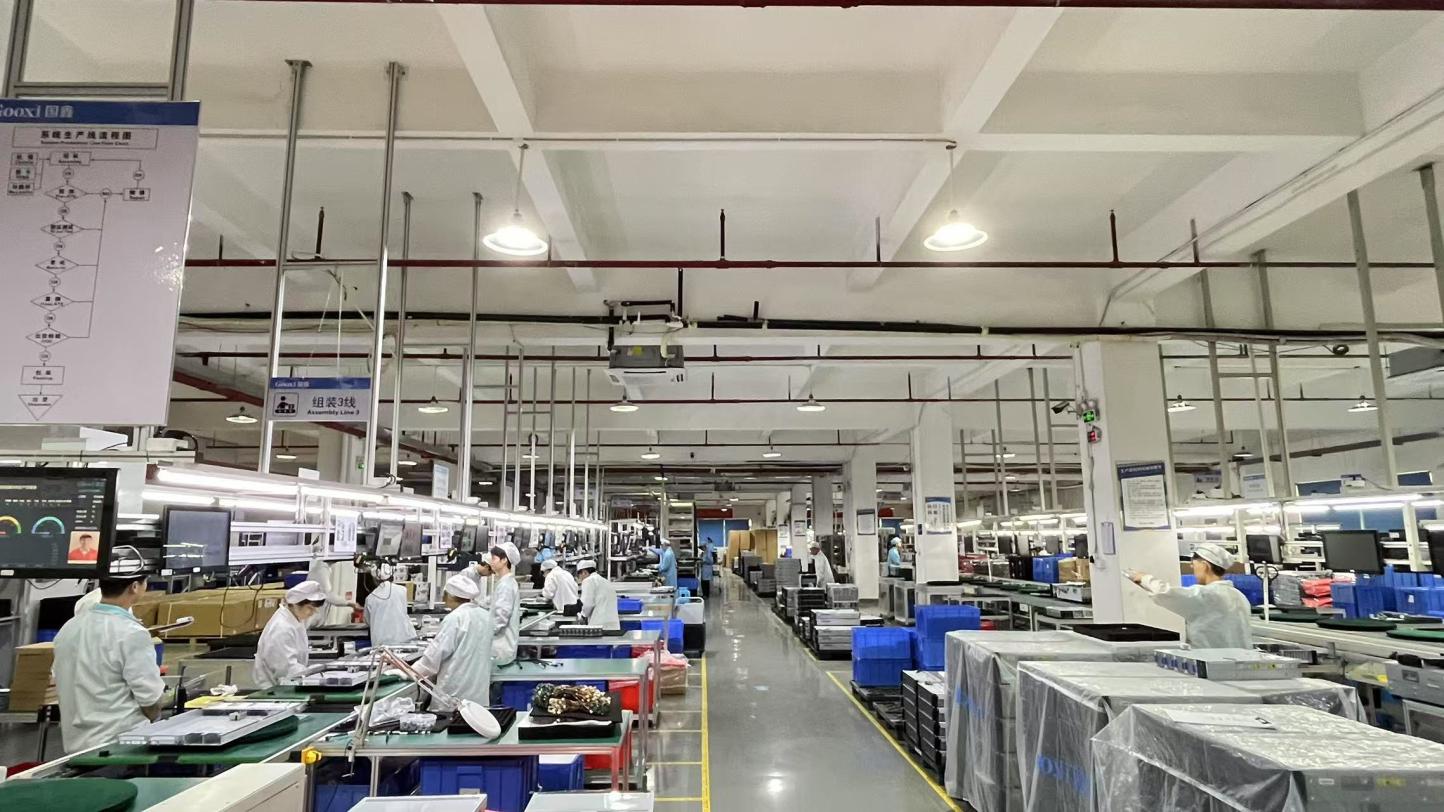
At the center of global electronics assembly is Shenzhen, China—a high-density electronics and manufacturing hub. Quantix leverages this robust production ecosystem through our advanced facility. This location gives us direct access to raw materials, PCB manufacturers, cooling specialists, and component suppliers, allowing us to reduce lead times and remain cost-competitive.
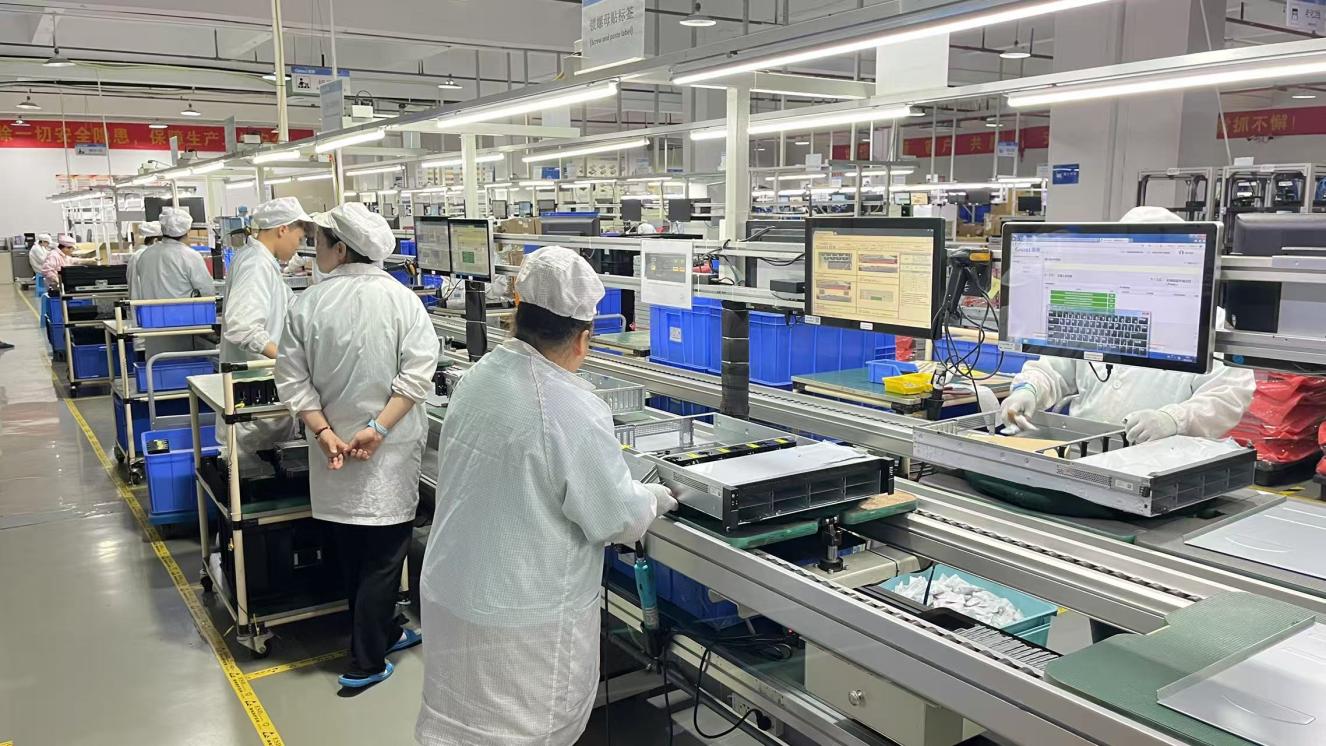
Our manufacturing model is built on strict quality control processes:
Different enterprise workloads require optimized hardware configurations to prevent processing bottlenecks:
As enterprises transition from large-scale language model experimentation to production-grade deployment, the demand for high-performance inference platforms is growing. Processing workloads at the edge requires compact, power-efficient, and low-latency servers. Real-time applications like autonomous driving, intelligent traffic routing, and automated industrial inspection systems demand rugged hardware capable of running neural networks in varied field environments.
Quantix is designing its next-generation product family to meet these evolving requirements. By developing hybrid air-liquid systems, modular chassis options, and open-source platform firmware (OpenBMC), we ensure our global customers can quickly adapt to changing computing architectures.
How we transform technical requirements into certified, rack-level server deployments.
Our engineering team works with your technical staff to define system architecture, motherboard layout, heat dissipation needs, and expansion capabilities.
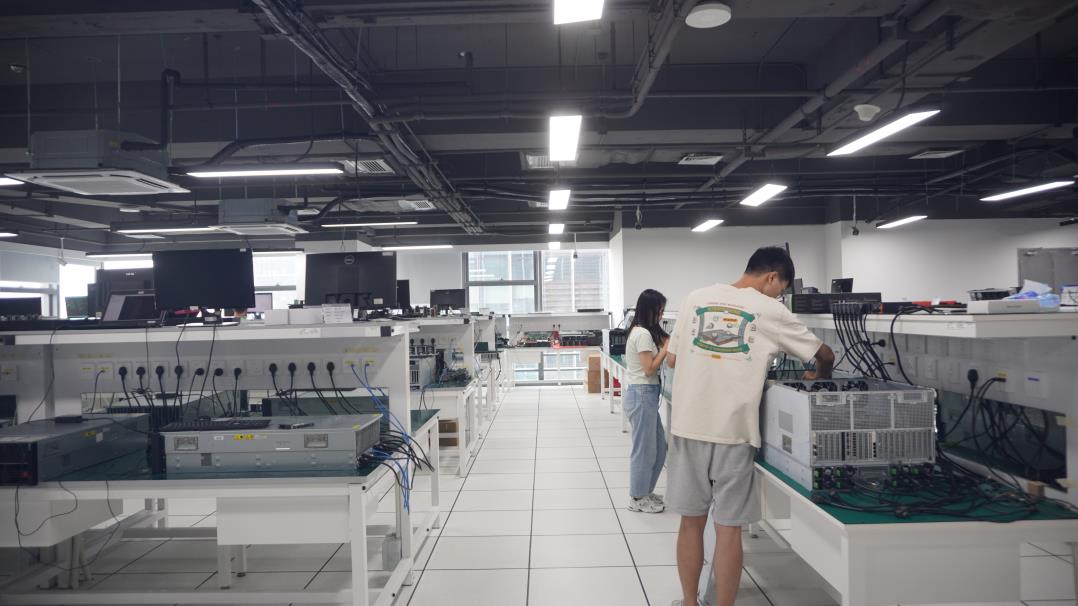
We assemble prototype systems within weeks, conducting structural analysis, thermal chamber verification, and signal integrity testing under load.
Upon validation, we begin high-volume assembly, packaging products in drop-tested custom crates with worldwide logistics support.
Common questions regarding OEM partnerships, server hardware customization, and international delivery.
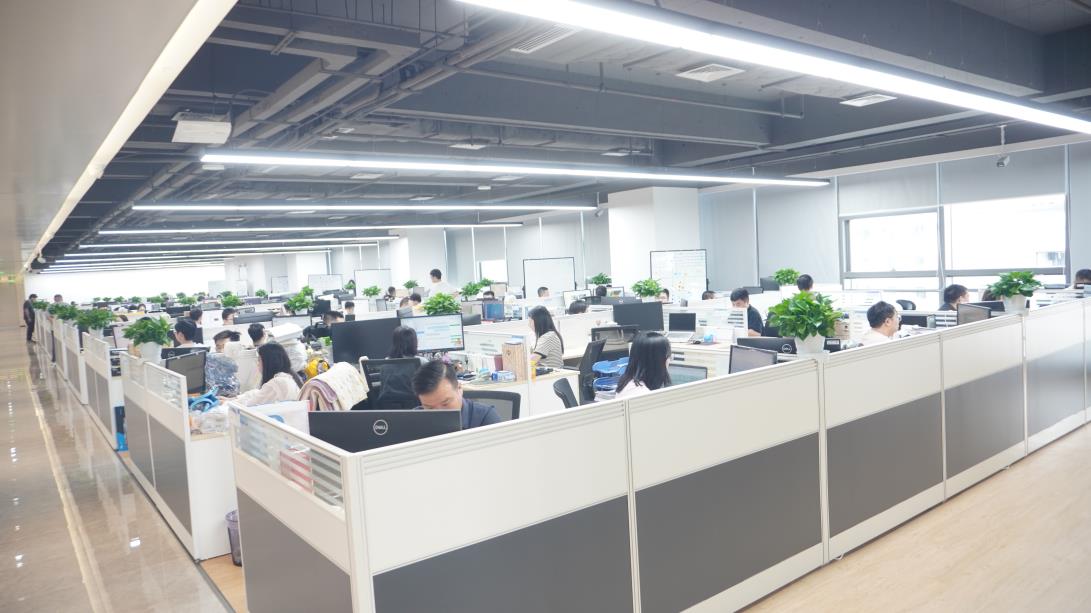
A tour of our manufacturing floor, testing labs, and assembly units, ensuring the high-quality delivery of every component.
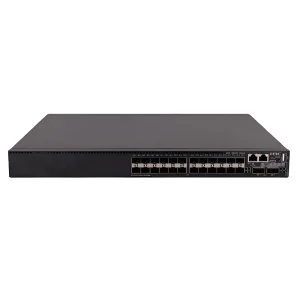
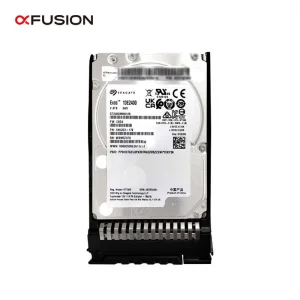
Complete your layout with our selections of high-speed network switches, PCIe SSD storage units, and expansion modules.