Quantix
Quantix
Quantix
High-speed switching systems and rackmounted platforms optimized for AI training, inferencing, and high-performance server deployments.
Analyzing the paradigm shift in network architectures, hyper-converged datacenters, and the integration of next-generation switching fabrics.
In the modern digital infrastructure landscape, switching equipment serves as the central nervous system of data centers, corporate campuses, and carrier environments. With the rapid ascendancy of AI model execution, distributed edge computing, and large-scale cloud applications, the demand for high-throughput, ultra-low-latency network switches has surged.
Transitioning from traditional Layer 2/3 Ethernet frameworks to advanced Spine-Leaf fabric architectures is no longer optional. Modern applications demand sophisticated hardware structures that leverage RDMA over Converged Ethernet (RoCE v2) and InfiniBand solutions. These technologies facilitate direct memory-to-memory data transfers between computational units, circumventing operating system intervention and drastically lowering network transmission overhead.
This document outlines the global leaders in switching equipment manufacturing, details the key integration parameters with high-density GPU servers (such as those designed by Quantix Intelligent Computing), and provides procurement officers with the critical criteria needed to align networking hardware with international compliance and performance benchmarks.
Artificial intelligence training clusters rely on tightly synchronized GPU compute nodes. High-bandwidth switches prevent cluster serialization bottlenecks:
An authoritative breakdown of the market leaders providing core switches, edge aggregation modules, and integrated network compute nodes.
Headquarters: San Jose, California, USA
Cisco remains the industry bellwether for enterprise networking. The Nexus series anchors modern enterprise data centers, offering ASIC-driven speeds up to 800G. With their Catalyst family dominating campus layers and robust IOS-XE/NX-OS automation capabilities, Cisco represents the premium tier of switching technology.
Headquarters: Santa Clara, California, USA
Arista has captured significant market share in the hyperscale cloud and financial sectors. Driven by Extensible Operating System (EOS), Arista switches provide ultra-low latency, programmable telemetry, and massive port density. Excellent choice for high-frequency trading and massive AI/ML cluster fabrics.
Headquarters: Shenzhen, Guangdong, China
Huawei delivers massive networking deployments globally. The CloudEngine (CE) series data center switches represent high-performance solutions featuring intelligent lossless algorithms, designed to eliminate packet drop in storage networks and computational clusters.
Headquarters: Hangzhou, Zhejiang, China
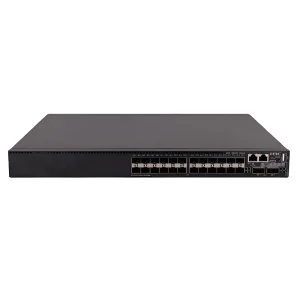
H3C is a premier manufacturer of high-reliability switches, such as the S6520X-30QC-EI 24-Port 10G/40G core switch. H3C excels at offering highly optimized three-layer optical switches designed with modular expansion architectures, providing an exceptional balance between capacity and system flexibility.
Headquarters: Sunnyvale, California, USA
Acquired by HPE, Juniper is famed for its Junos OS and high-throughput EX & QFX series. Known for their routing-centric pedigree, Juniper’s AI-native network operations (Mist AI Integration) dramatically reduce Mean Time to Resolution (MTTR) for campus and enterprise network operators.
Headquarters: Round Rock, Texas, USA
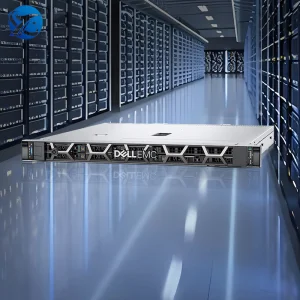
Dell PowerSwitch units lead the Open Networking initiative, allowing organizations to run third-party software like SONiC. Dell provides smooth integration between their PowerEdge server systems and core access switches, simplifying bare-metal orchestration and management.
Headquarters: Houston, Texas, USA
Aruba CX switches power enterprise campus networks with robust REST API access and the Network Analytics Engine (NAE). Offering a single operating system from edge-to-datacenter, HPE focuses on security and policy orchestration via ClearPass integration.
Headquarters: Shenzhen, Guangdong, China
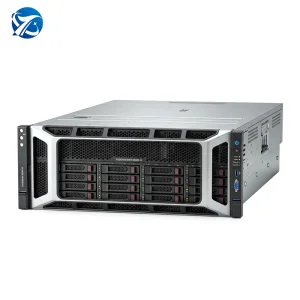
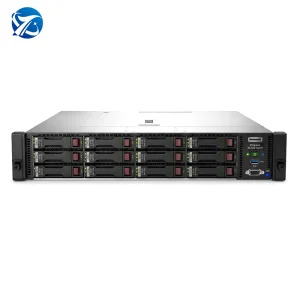
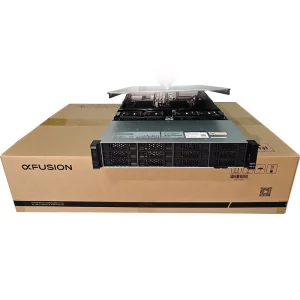
As a prominent manufacturer specializing in high-performance GPU systems, HPC clusters, and bespoke networking hardware, Quantix integrates switches and server components natively. Quantix bridge the gap between network fabrics and server computing nodes for worldwide clients.
Headquarters: Morrisville, North Carolina, USA
Extreme delivers cloud-managed networking solutions with a strong emphasis on automation and simplified management. Their Universal Platforms run multiple operating systems, allowing clients to change their network operating environment without purchasing new hardware.
Headquarters: Hsinchu, Taiwan
A leading provider of open network hardware, supplying OCP-accepted switch platforms to cloud service providers and telecommunication carriers. Leveraging Broadcom Trident and Tomahawk ASICs, Edgecore delivers high-bandwidth solutions running open-source network OS.
How regional manufacturing hubs integrate PCB fabrication, semiconductor packing, and structural engineering to lead global markets.
The production of top-tier switching equipment requires immediate access to sub-component suppliers. China's manufacturing clusters provide unmatched vertical integration:
This ecosystem forms the backbone of companies like Quantix Intelligent Computing, enabling the rapid delivery of both GPU servers and integrated network nodes to dynamic markets.
To meet the reliable operations demanded by global data center operators, strict validation runs must occur before export:
Navigating global regulatory landscapes, local installation support, and operational maintenance.
Hardware deployed in modern networks must comply with rigorous international frameworks. Regulatory bodies like the FCC (United States), CE (European Union), and RoHS directives guarantee electrical safety, electromagnetic compatibility, and minimized environmental impact.
Global logistics demand diversified components sourcing. Industry leading vendors mitigate geopolitical risks by maintaining dual-sourcing channels for ASICs, power supply components, and high-frequency transceivers to ensure uninterrupted client supply.
Switching equipment downtime is extremely costly. Leading manufacturers leverage regional warehousing networks and partners to offer 24/7 technical assistance, fast hardware replacement (Next Business Day RMA), and remote configuration support.
Examining how core switches and GPU clusters interact to drive data center performance.
Large language models utilize thousands of GPU nodes. 800G non-blocking Leaf-Spine switches are deployed to handle parallel parameter updates. Implementing RoCE v2 ensures optimal bandwidth saturation, maximizing GPU utilization across all nodes.
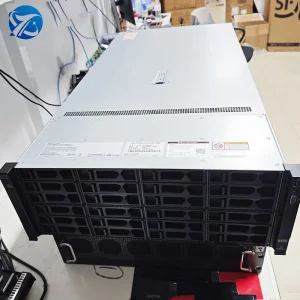
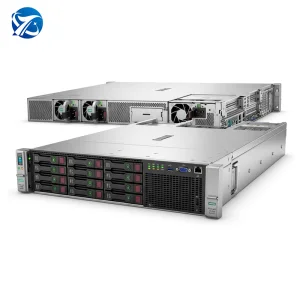
Distributed cameras route feeds to regional compute nodes. High-capacity Layer 3 PoE+ aggregation switches (like H3C S6520X series) manage feed reception while offering optical uplinks directly to GPU inference clusters running G5200 V5 servers.
Financial trading platforms operate in sub-microsecond realms. Utilizing hardware-stabilized cut-through switches combined with ultra-low latency server network interface cards (NICs) minimizes end-to-end transaction latency.
A leading GPU server manufacturer and AI infrastructure solution provider delivering high-performance computing hardware globally.
Founded in 2017, Quantix Intelligent Computing Co., Ltd. specializes in the design, development, and production of high-performance GPU servers, AI training systems, HPC clusters, and customized computing solutions for global customers.
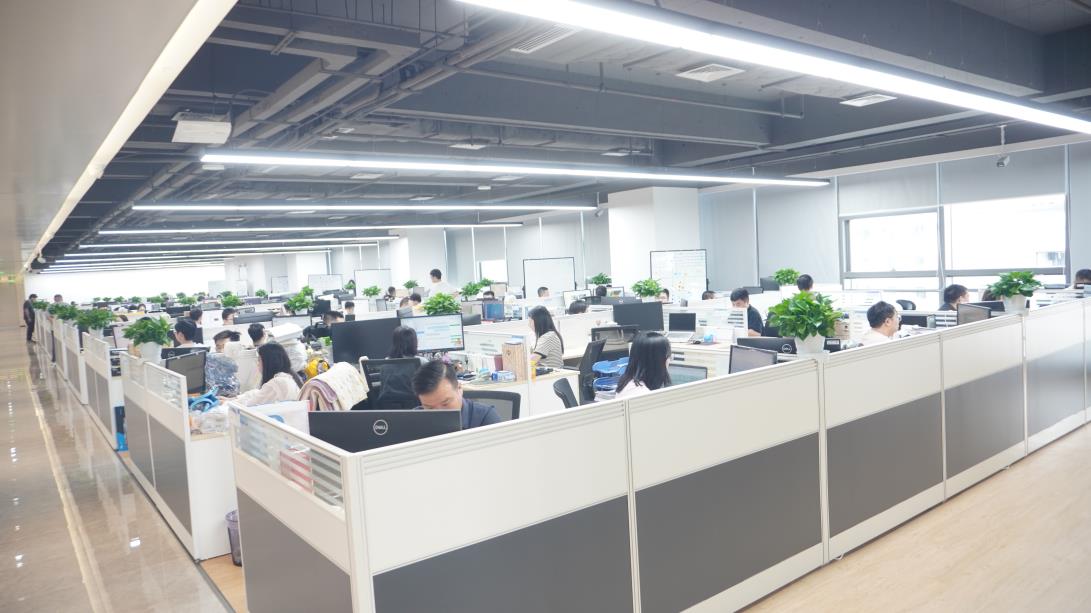
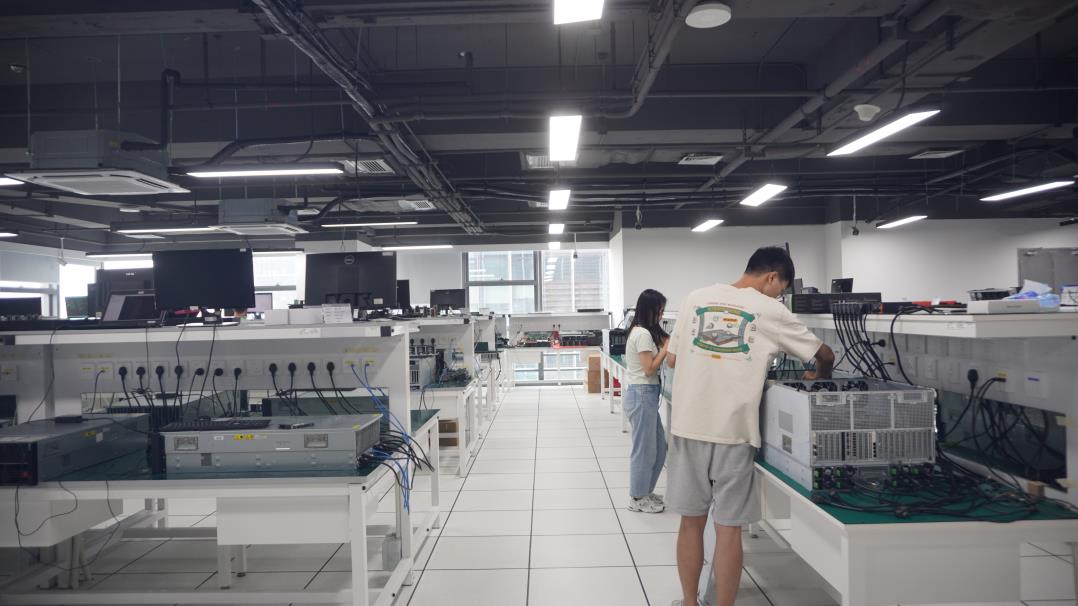
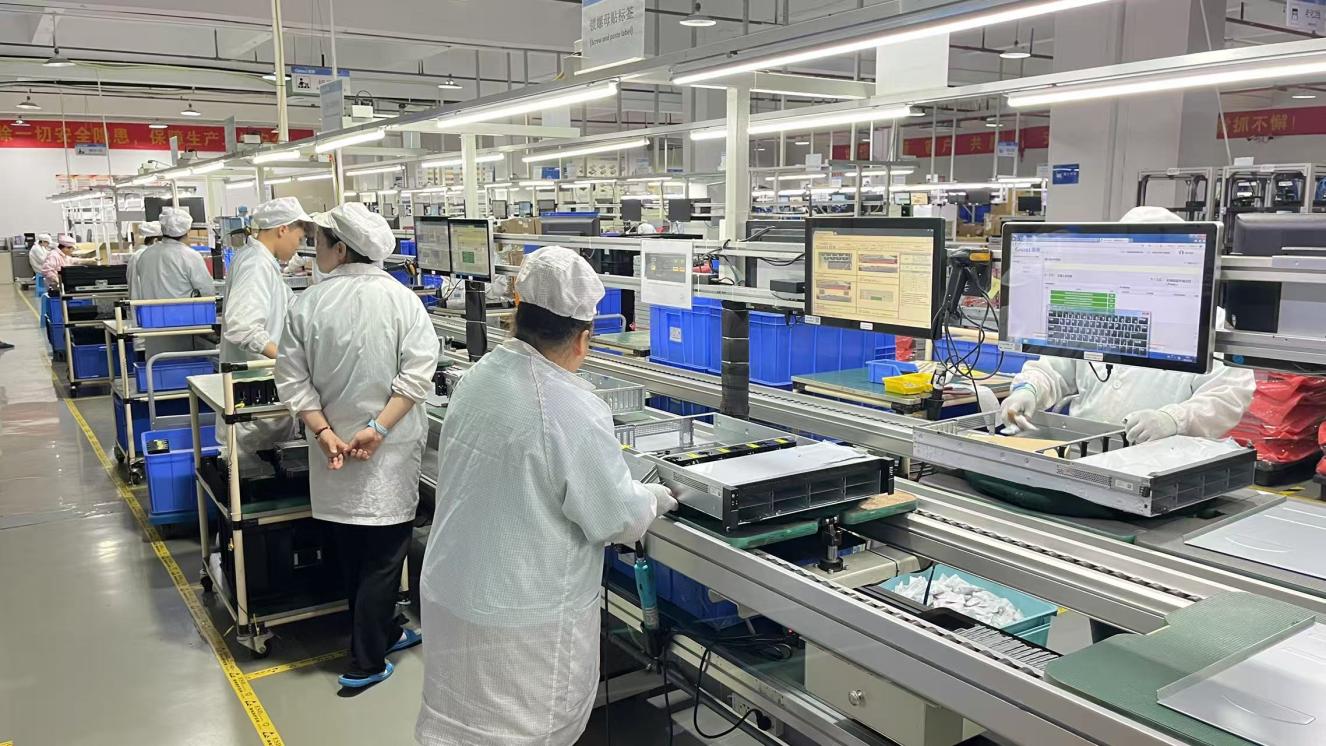
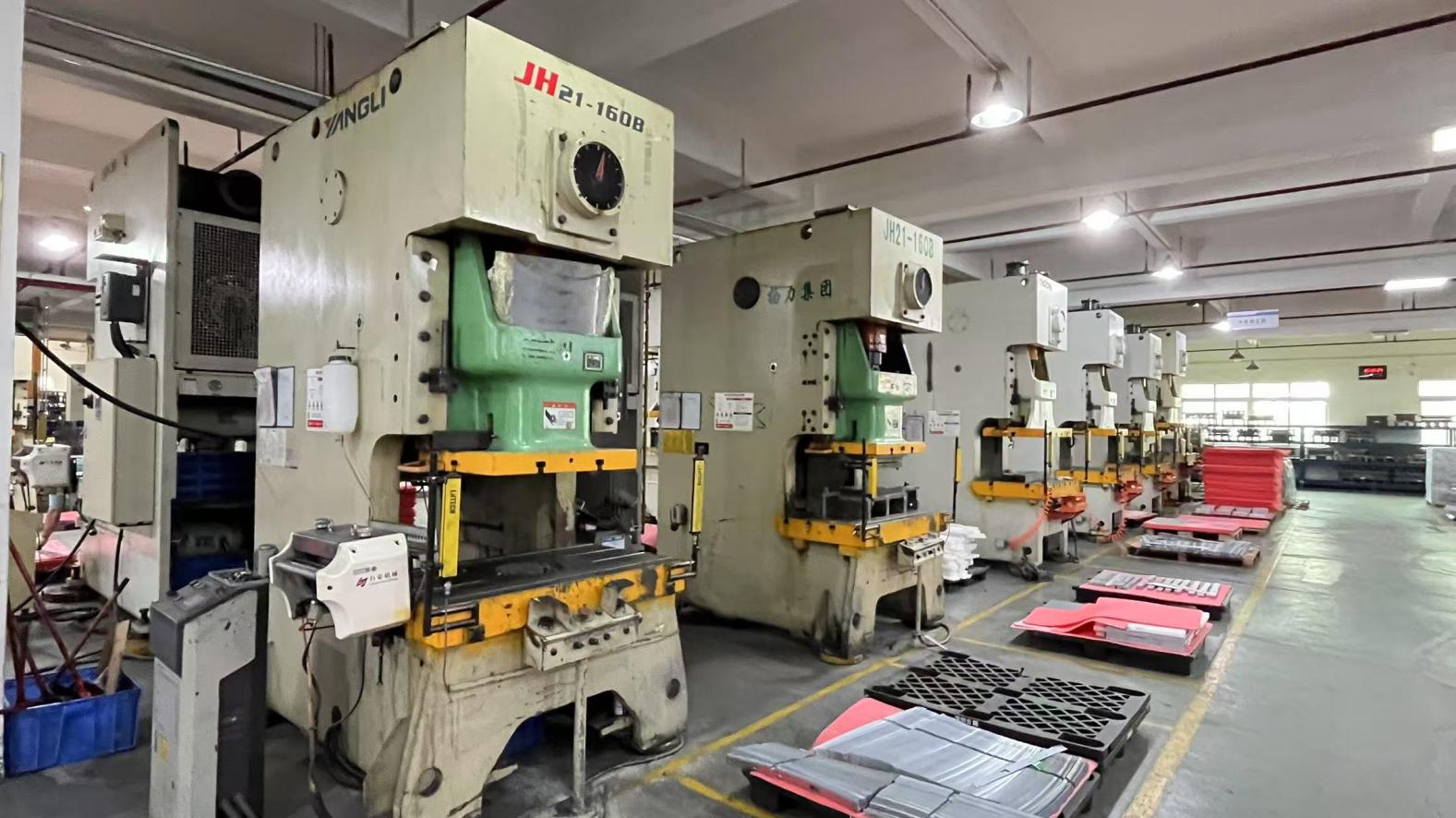
Operating from a modern manufacturing facility covering 420 square meters, Quantix combines advanced production capabilities with a strong R&D foundation. Our products are widely used in artificial intelligence, machine learning, deep learning, cloud computing, big data analytics, scientific research, and enterprise data centers.
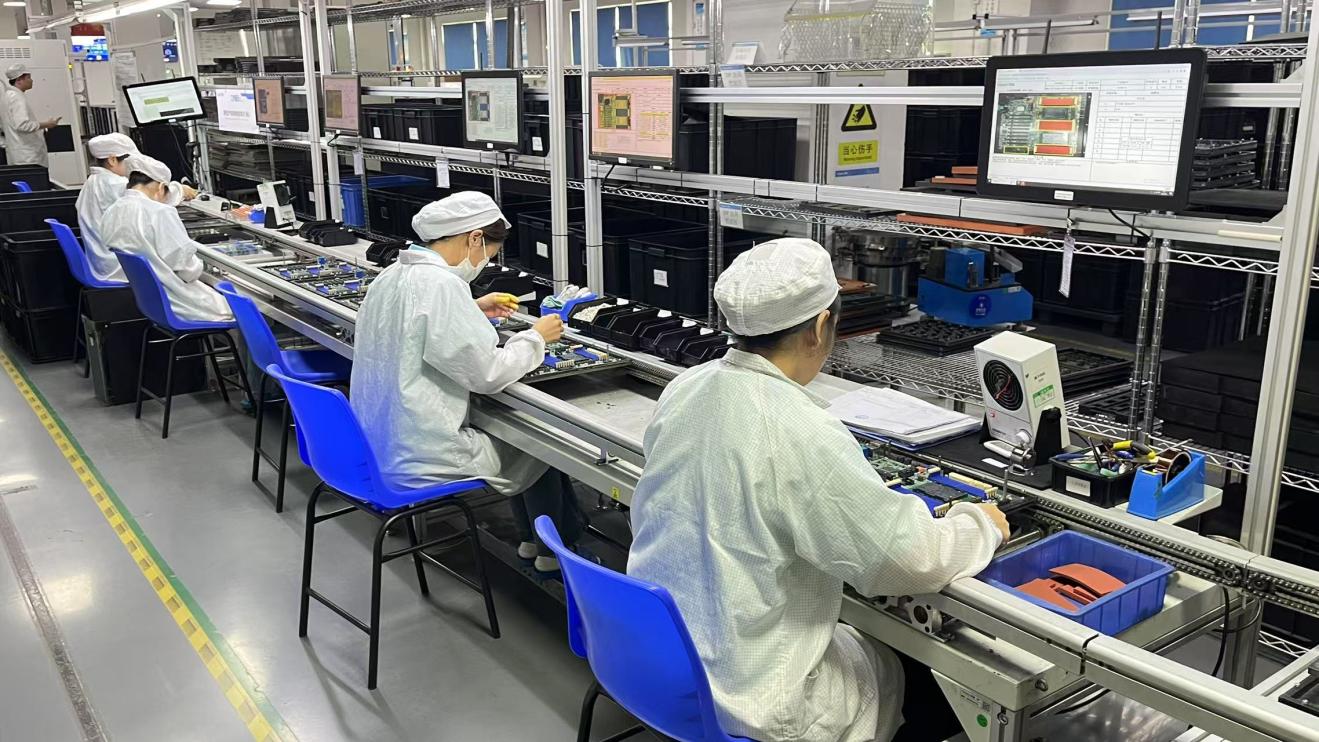
With over 9 years of export experience and 14 years of industry expertise, Quantix has established long-term partnerships with customers across North America, Europe, Southeast Asia, the Middle East, and Australia. Our commitment to strict quality control ensures every server undergoes rigorous incoming material inspection, assembly verification, burn-in testing, and performance benchmarking before shipment.
Take a virtual tour of our production floor, R&D labs, and quality control departments.

A forward-looking view into optical transceivers, silicon integration, and AI-optimized hardware topologies.
As transmission rates scale to 1.6T and beyond, traditional pluggable optical transceivers face physical power and heat dissipation limits. Co-Packaged Optics (CPO) integrate fiber interfaces directly on the silicon substrate, reducing power consumption by up to 30%.
Modern data center fabrics dynamically manage traffic congestions. Implementing real-time telemetry algorithms inside switch ASICs allows networks to adapt routes within nanoseconds, preventing micro-bursts and buffer overruns.
Enterprise users are moving away from proprietary network operating systems. Deploying Open Networking hardware using SONiC (Software for Open Networking in the Cloud) allows companies to standardize their fleet operations and reduce software licensing costs.
Key information regarding switching architectures, custom interfaces, and compatibility parameters.
Get in touch with our system engineers to design your custom network and compute fabric.
High-density computing servers, optical switches, and hyperconverged infrastructure solutions.