Quantix
Quantix
Quantix
Select GPU & Computing Servers Configured for Low-Latency Teleconferencing & MCU/SFU Infrastructures
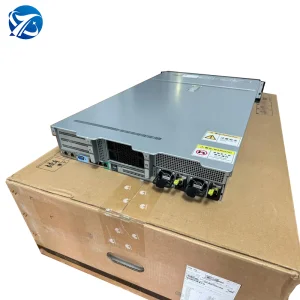
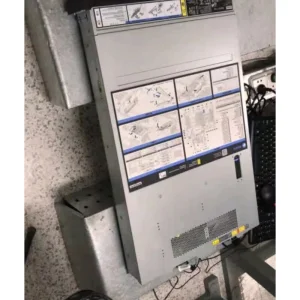
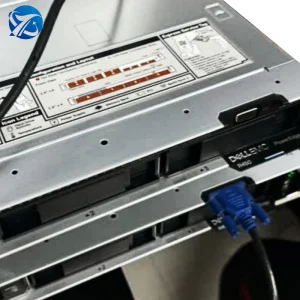
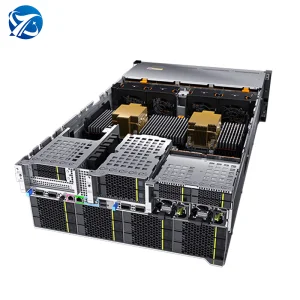
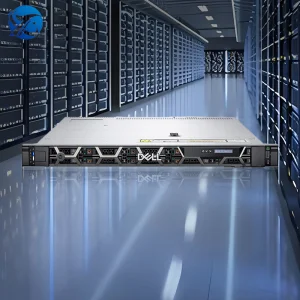
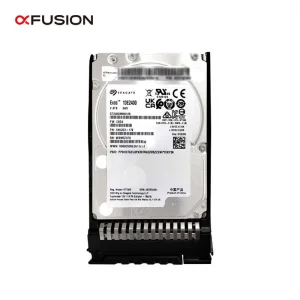
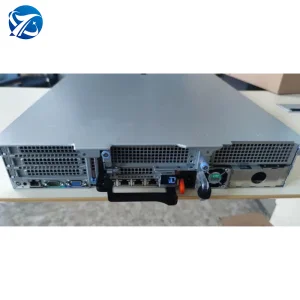
The architecture of enterprise-level teleconferencing has evolved far beyond standard point-to-point web camera interfaces. Modern business collaboration mandates unified, intelligent, and highly scalable ecosystems powered by robust high-performance computing hardware. From WebRTC signaling platforms to massive cloud media servers processing high-density codecs, the backbone of seamless virtual communication lies within specialized GPU servers and network switches.
Founded in 2017, Quantix Intelligent Computing Co., Ltd. is a leading GPU server manufacturer and AI infrastructure solution provider based in China. We specialize in the design, development, and production of high-performance GPU servers, AI training systems, HPC clusters, and customized computing solutions for global customers. With over 9 years of export experience and 14 years of industry expertise, Quantix has established long-term partnerships with customers across North America, Europe, Southeast Asia, the Middle East, and Australia. Our annual export revenue exceeds USD 18 million, reflecting our commitment to quality, innovation, and customer satisfaction.
As we look towards the next decade of real-time communication (RTC), the hardware roadmap is rapidly shifting to support emerging technologies. Media stream processing is transferring from central cloud systems to localized edge computing clusters. This deployment mitigates network latency and distributes processing workloads effectively.
Integrating real-time deep learning filters directly on the server host side. AI-based denoising, audio spatialization, and real-time face tracking require parallel GPU rendering frameworks.
Upgrading the codec pipeline from H.264/H.265 to next-generation AV1 and VVC (H.266). This transition reduces visual transport bandwidth by up to 50% but demands high-density CPU core performance.
Providing spatial data streams that construct multi-angle perspectives for VR/AR conference modules. Edge computing clusters process camera feeds into real-time rendering environments.
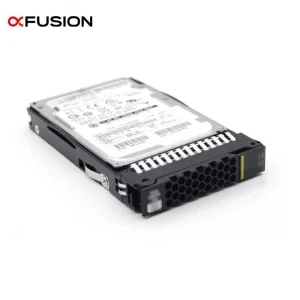
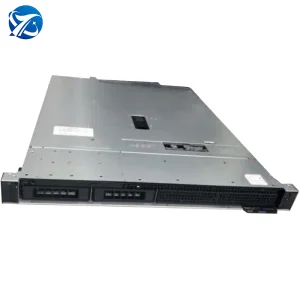
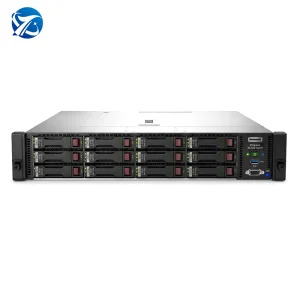
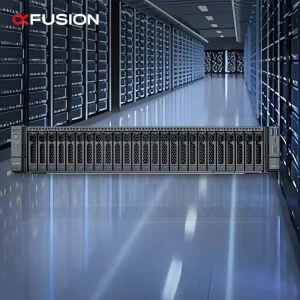
For global operators deployment of platforms like Zoom, Microsoft Teams, Webex, or bespoke localized WebRTC tools, hardware configurations such as the xFusion FusionServer 5288 V6 or high-density rack computing arrays provide the necessary parallel processing capacity to handle concurrent connections, transcoded video feeds, and spatial rendering workloads.
Teleconferencing needs vary heavily based on regulatory frameworks, target audiences, and data complexity. We segment hardware topologies into specific operational categories:
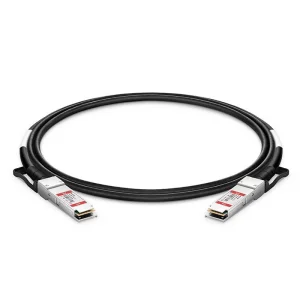
Multinational organizations face the challenge of bridging geographically dispersed workspaces without suffering from packet loss or jitter. By leveraging enterprise rack systems linked with high-performance interconnects like the QSFP+ 10G/40G direct-attach cables, organizations form zero-latency cross-regional connections. Localized private clouds route video streams within secure firewall boundaries, ensuring high data sovereignty.
Surgical telemedicine calls for zero-latency, lossless 4K video feeds. Infrastructure setups must include medical-grade security layers (HIPAA compliance) and reliable backup storage units. The installation of NVMe Solid State Drives (like the PM9A3 series SSDs) guarantees immediate write speeds, crucial for real-time diagnostic recording and surgical video logging.
Massive Open Online Courses (MOOCs) scale connection pools from tens to thousands of active feeds. Multi-socket server configurations process real-time voice analysis, background blur, and live dynamic transcription. These capabilities allow educational institutions to manage peak loads without facing frame drops.
Implementing global communication nodes requires strict compliance with international regulatory frameworks. To support modern teleconferencing deployments, server and infrastructure solutions must adhere to the following localized security guidelines:
By selecting rack designs that integrate localized storage architectures, enterprises retain complete ownership of their encryption keys and data paths. This eliminates the compliance risks associated with third-party software providers.
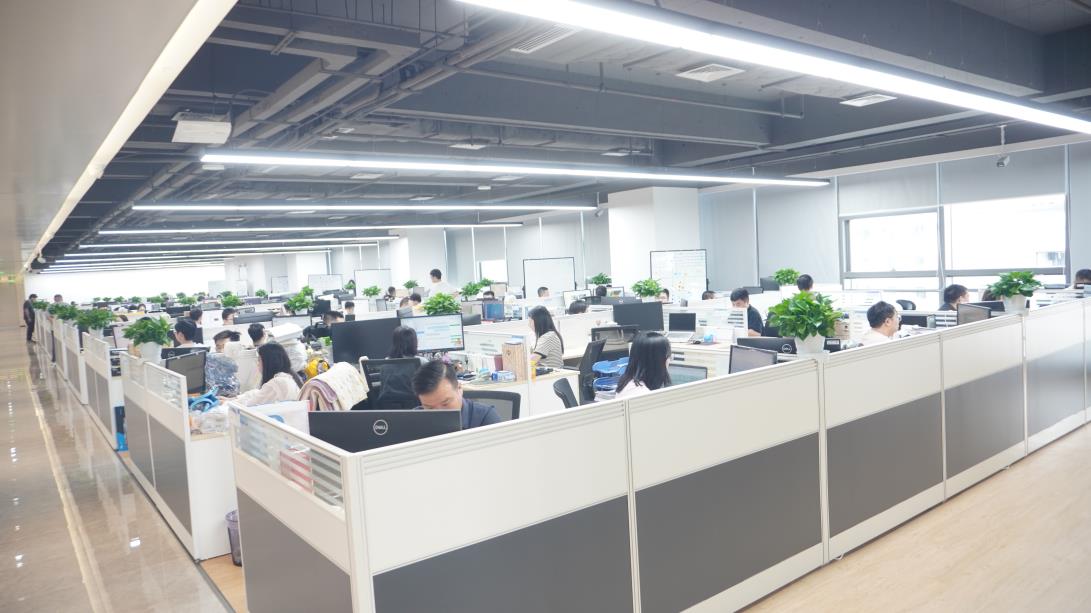
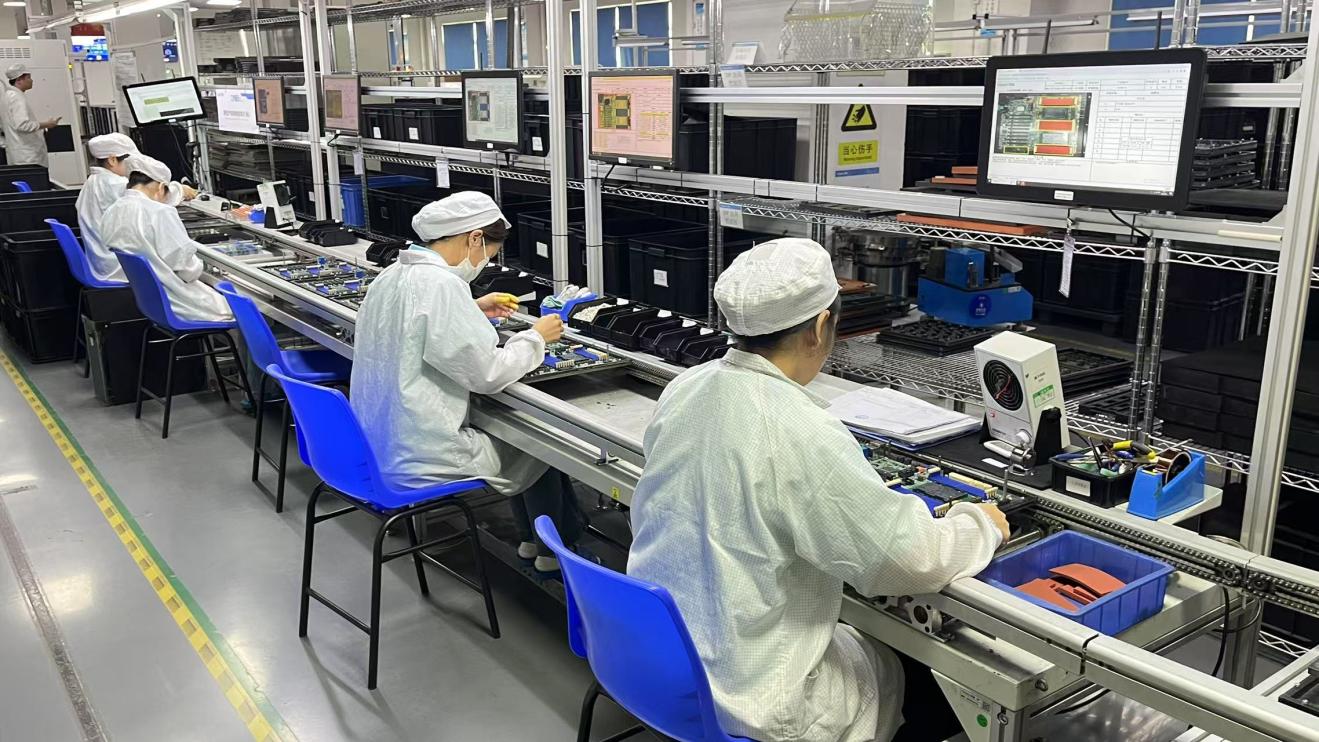
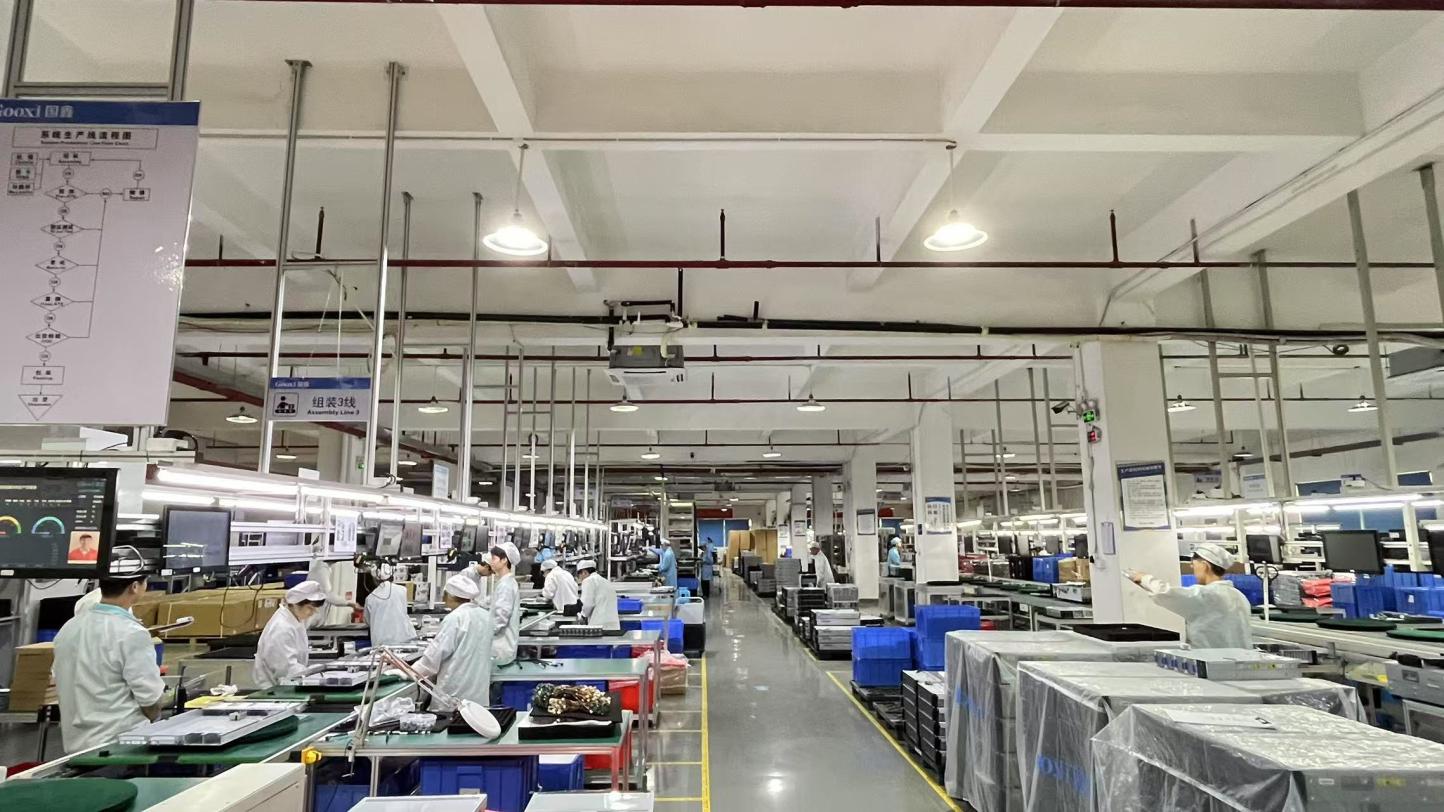
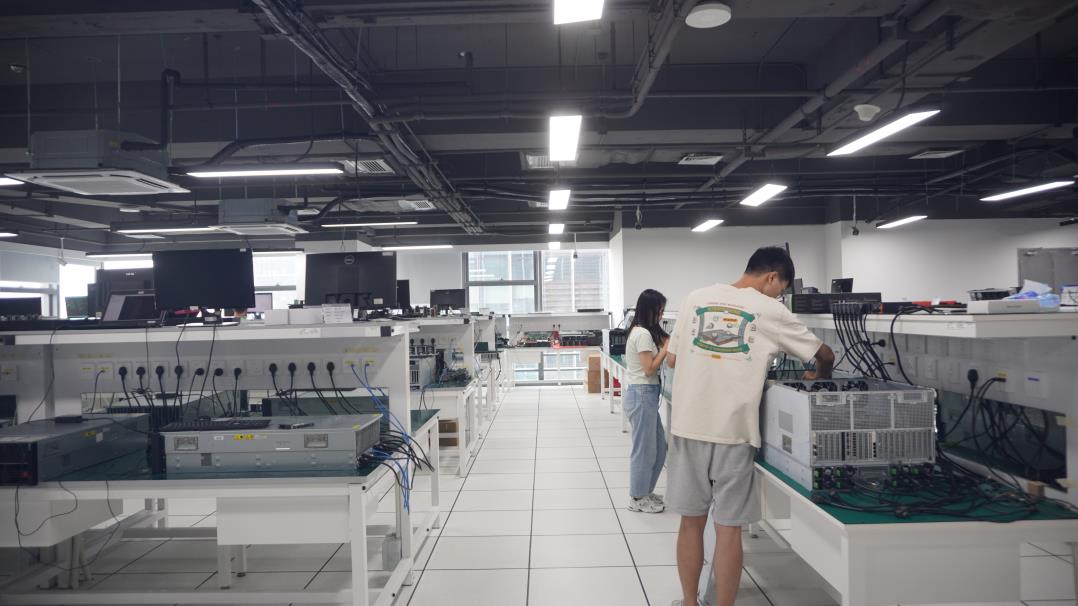
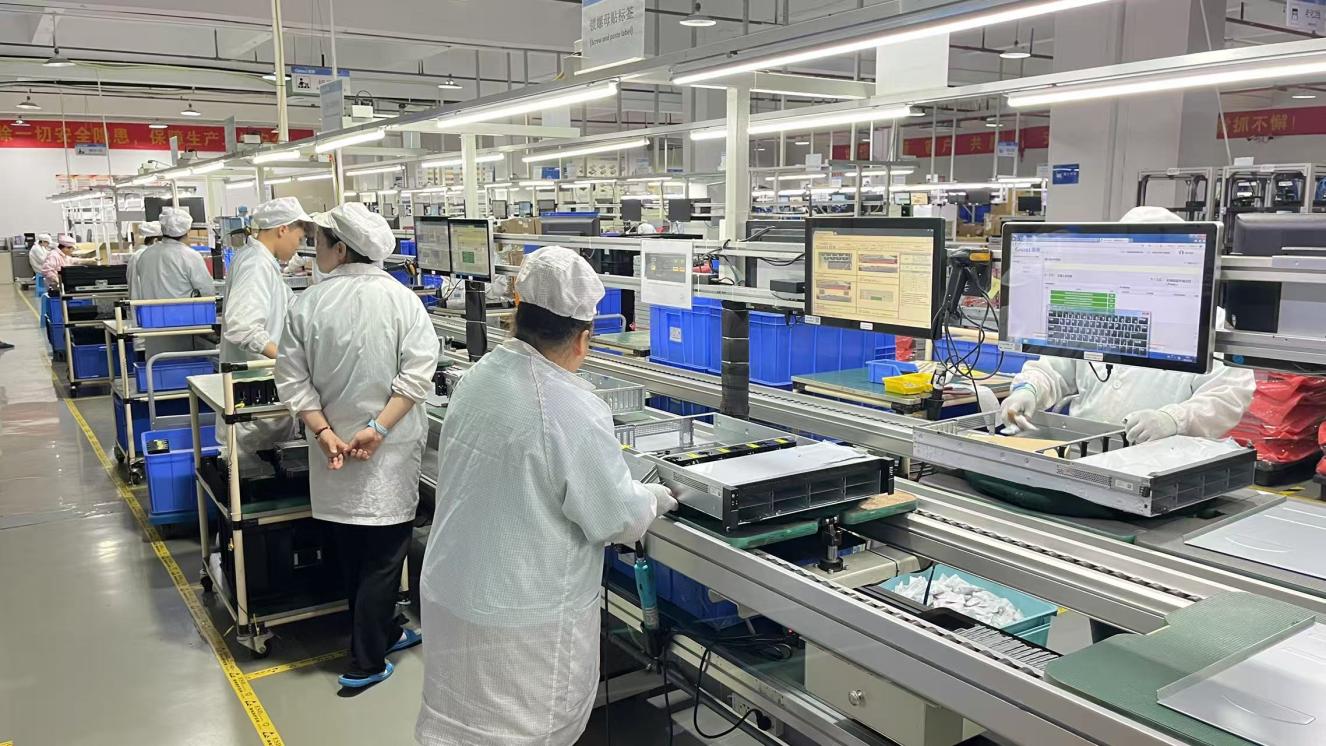
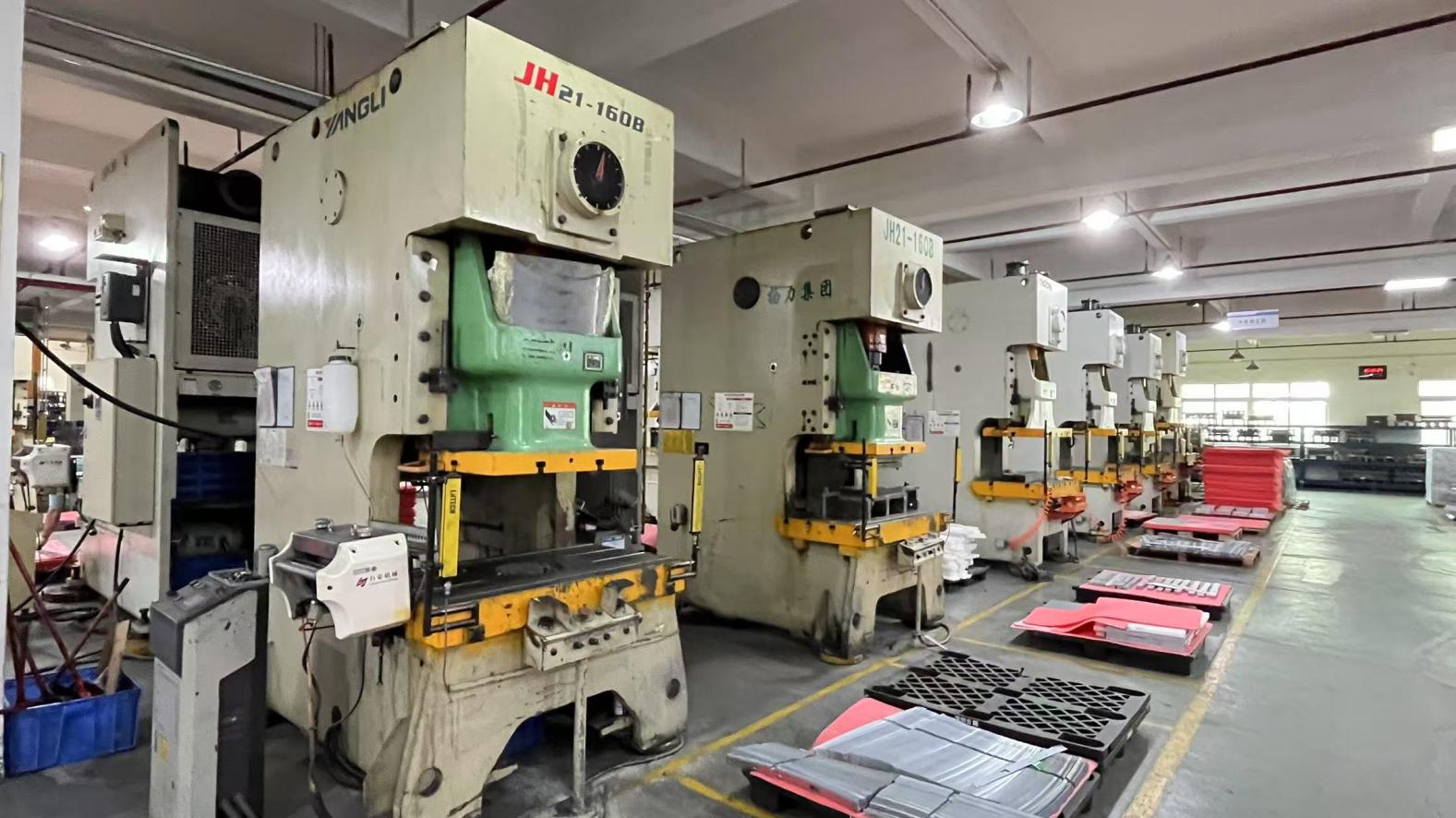
The production of enterprise computing hardware requires precision manufacturing workflows, strict raw-material sourcing, and extensive thermal validation tests. Quantix operates a modern manufacturing facility covering 420 square meters, combining advanced production capabilities with a strong R&D foundation.
Quality control is central to our manufacturing process. Every server undergoes strict incoming material inspection, assembly verification, burn-in testing, performance benchmarking, and final product inspection before shipment. Our quality control team consists of 46 experienced professionals dedicated to maintaining the highest standards.
Supported by more than 850 supply chain partners, Quantix manages complex components, ranging from custom chassis units to advanced micro-chips. This robust supply network prevents production delays and ensures short lead times for high-volume orders. Last year alone, Quantix successfully launched 126 new products and upgraded solutions, strengthening our position in the rapidly evolving AI computing industry.
Procurement teams evaluating teleconferencing hardware should focus on key metrics to ensure operational longevity and cost efficiency:
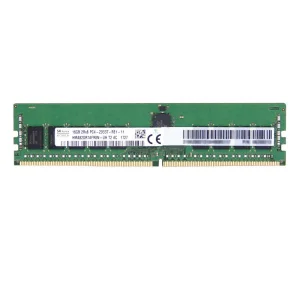
Enterprise Hardware, Memory Upgrades, and Storage Modules for Scalable Collaboration Networks