Quantix
Quantix
Quantix
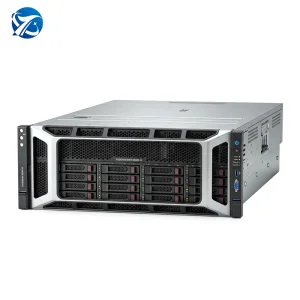
Explore our flagship hardware configurations optimized for deep learning, virtualization, cloud computing, and high-performance network storage.
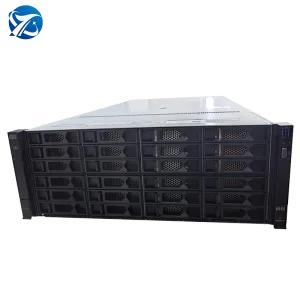
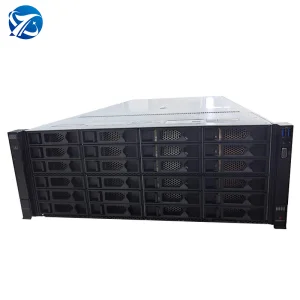
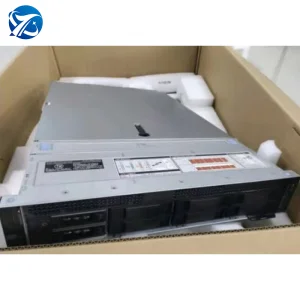
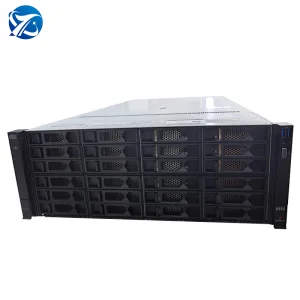
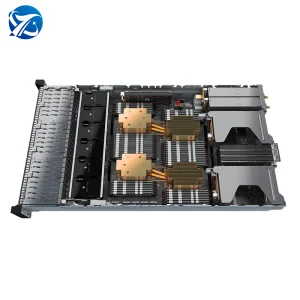
The global enterprise computing landscape is undergoing a structural transition. Organizations are shifting away from general-purpose processing nodes toward highly specialized, heterogeneous compute topologies. This paradigm shift is driven primarily by the exponential growth of Large Language Models (LLMs), AI inference pipelines, complex cloud virtualization architectures, and massive unstructured data sets. V6 computing platforms, particularly those built around scalable multi-socket designs, represent the sweet spot of capital efficiency, power distribution, and raw FLOP delivery.
For modern procurement officers, hardware evaluation has moved past simple CPU core counts. Key criteria now prioritize high bandwidth interfaces, compute-density factors, and long-term operating cost reduction. Specifically, enterprise buyers demand:
Consequently, global enterprises are seeking agile manufacturers capable of delivering highly customized systems. By bridging standard commodity server designs with customized OEM/ODM engineering, companies like Quantix Intelligent Computing Co., Ltd. ensure that organizations don't have to choose between customized server layouts and global supply chain security.
Quantix combines deep domain expertise with high-volume manufacturing capabilities to power AI workloads and cloud data centers across six continents.
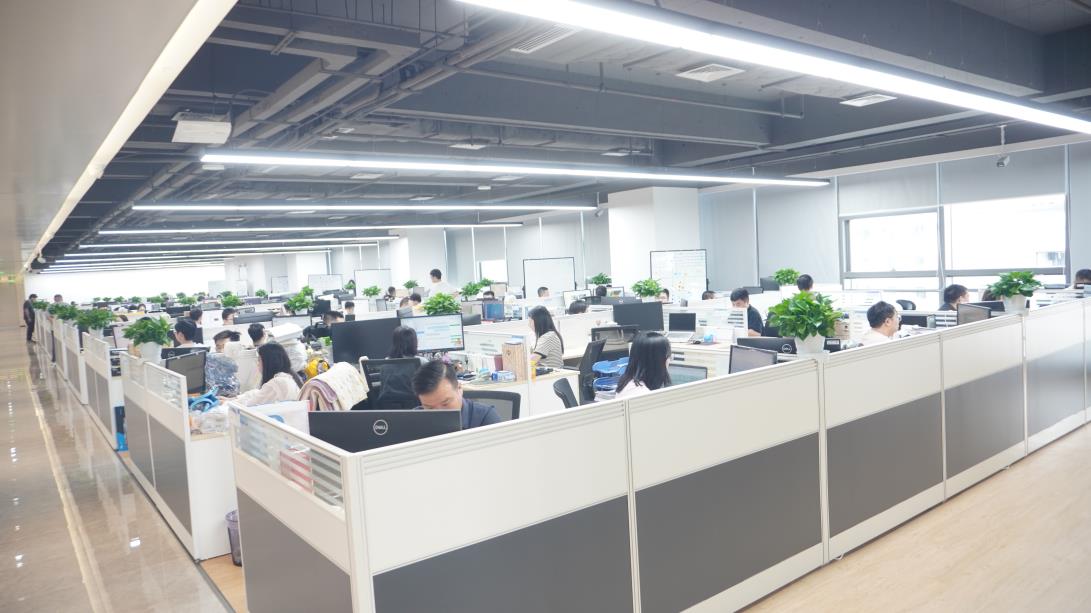
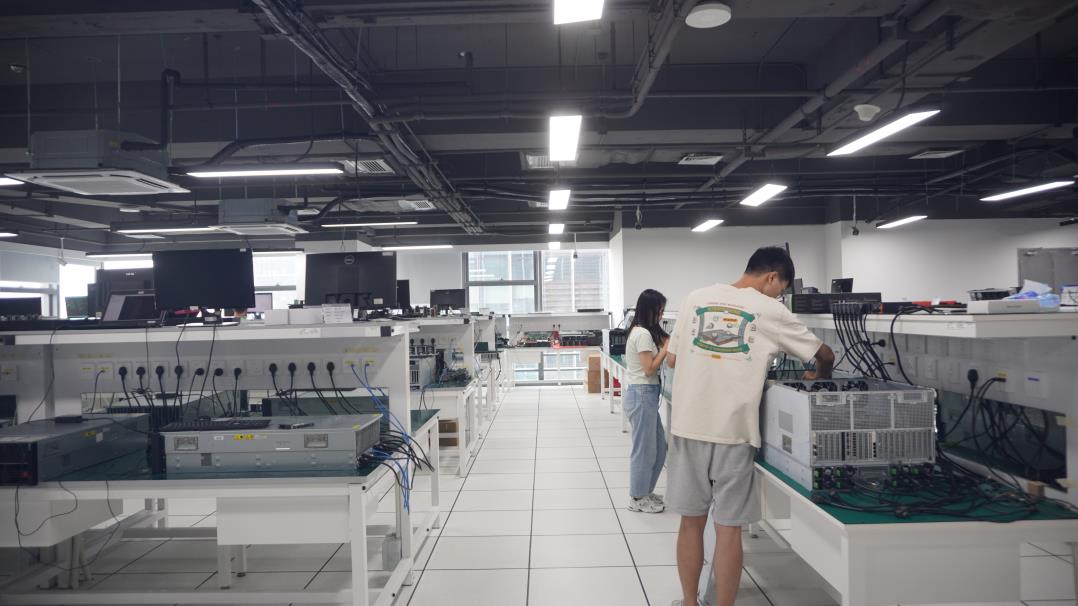
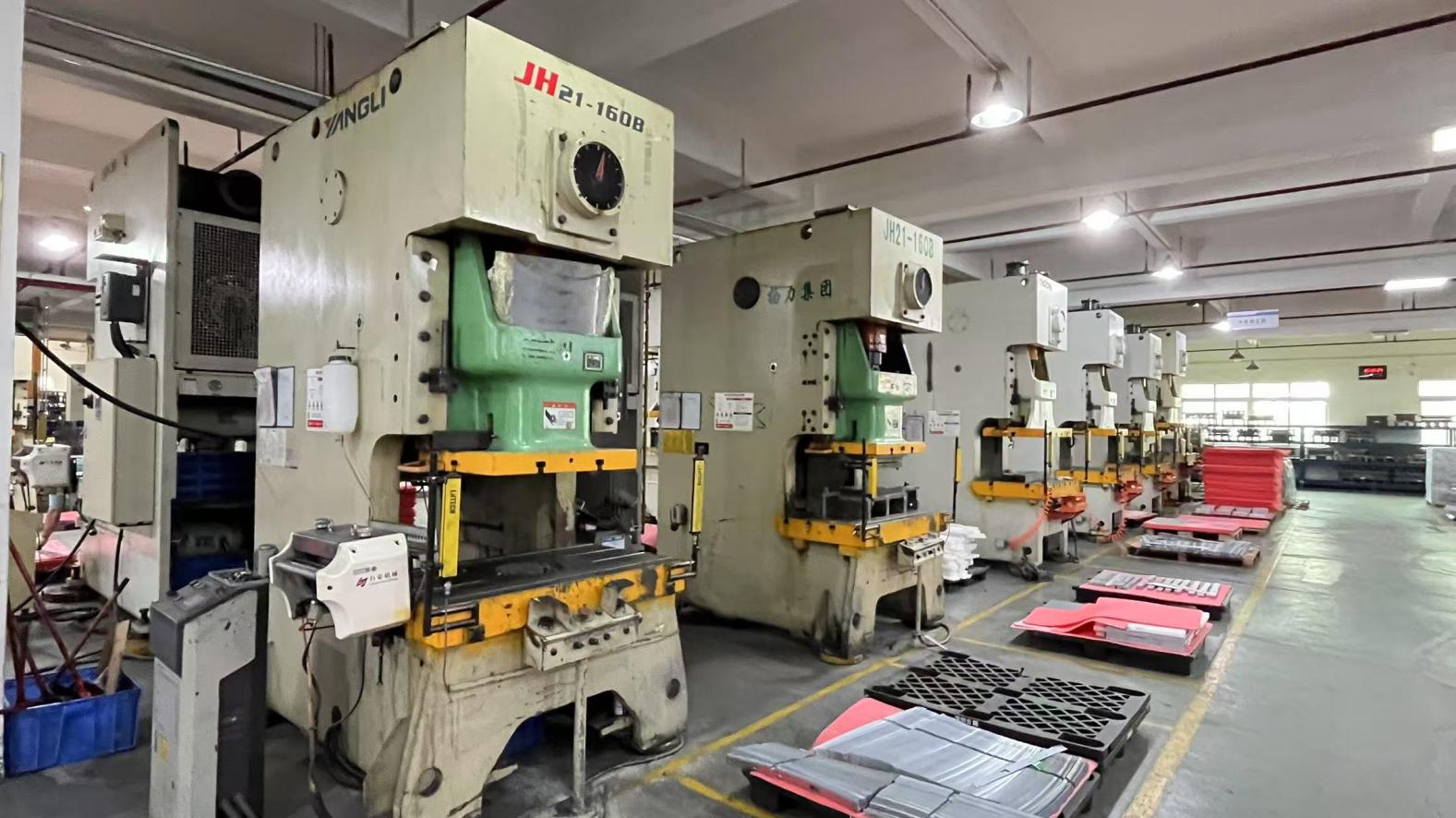
Founded in 2017, Quantix Intelligent Computing Co., Ltd. is a leading GPU server manufacturer and AI infrastructure solution provider based in China. We specialize in the design, development, and production of high-performance GPU servers, AI training systems, HPC clusters, and customized computing solutions for global customers. Operating from a modern manufacturing facility covering 420 square meters, Quantix combines advanced production capabilities with a strong R&D foundation to deliver reliable, scalable, and cost-effective computing hardware.
Our solutions are engineered to meet strict international standards. Every server undergoes systematic incoming material inspection, assembly verification, dynamic burn-in testing, raw performance benchmarking, and final product inspection before shipment. Supported by more than 850 supply chain partners, Quantix serves a diverse customer base including AI startups, cloud service providers, system integrators, universities, research institutions, enterprises, and data center operators worldwide.
Computing architectures must adapt to the unique workflows of the industries they serve. Below is an overview of how V6 and V7 hardware is deployed across key industrial verticals.
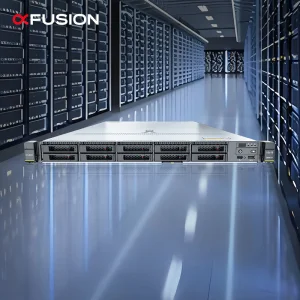
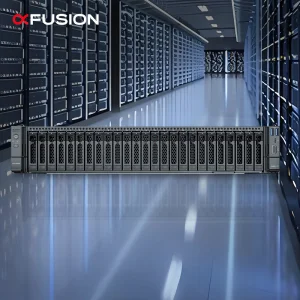
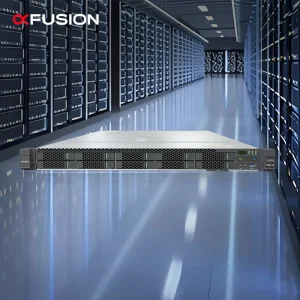
For large data centers, density and energy efficiency are critical. Dual-socket V6 servers (like the FusionServer 1288H V6) in 1U spaces maximize computing density per rack. This lowers real estate costs and improves power usage effectiveness (PUE) metrics.
Modern workloads require high data bandwidth. Multi-GPU servers (such as the G5500 V7) are built to handle the heavy demands of DeepSeek or other generative AI frameworks, managing complex neural network computations with minimal latency.
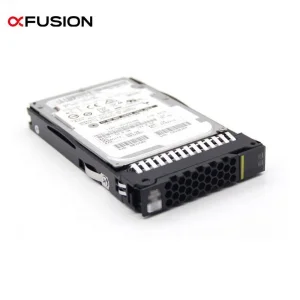
Data architectures require balanced throughput. Combining SSD arrays with SATA/SAS hard drives and high-end RAID controllers provides the fast access speeds needed for real-time data analytics, transactional databases, and cold storage.
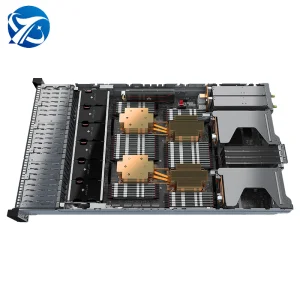
The path forward for enterprise compute is defined by consolidation and specialization. Our technical roadmap focuses on addressing performance limits at the chip, motherboard, and chassis levels. As CPU TDPs exceed 350W and accelerators cross the 700W mark, traditional air cooling is reaching its physical limits.
Quantix is focusing its engineering R&D on three key areas:
By upgrading 126 product designs last year alone, Quantix keeps our hardware line in step with industry standards, ensuring systems are optimized to handle advanced cloud workloads and modern neural network models.
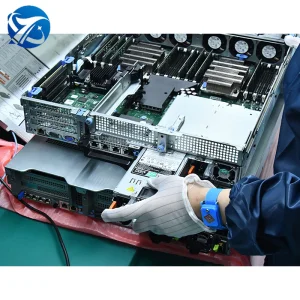
Building high-performance servers requires rigorous attention to quality. At Quantix, reliability is managed through systematic testing and inspection. Every computing system goes through a detailed multi-stage quality control process before leaving our facilities:
Quantix works with over 850 supply chain partners to source high-grade components, ensuring stable supply lines and consistent product availability. With 9 years of export experience, we handle international logistics, customs clearance, and global standards compliance (including CE, FCC, and RoHS certifications) to ensure smooth delivery to our customers worldwide.



Get answers to common technical, manufacturing, and configuration questions regarding our V6 and V7 hardware solutions.
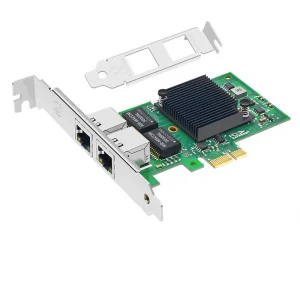
Complete your infrastructure with high-reliability expansion options, rackmount systems, and high-performance server components.