Quantix
Quantix
Quantix
In an era defined by explosive cloud expansion, big data pipelines, and intensive AI models (such as DeepSeek R1 and LLM clusters), enterprise infrastructure is undergoing structural shifts. Organizations can no longer rely on standard computing platforms. The requirement has shifted toward hybrid hyperconverged architectures capable of executing complex calculations with minimal latency.
Networking hardware suppliers and manufacturing factories are crucial enablers of this transition. Today's IT stakeholders demand hardware configurations that optimize Total Cost of Ownership (TCO), guarantee thermal dissipation reliability under full workloads, and provide secure, vendor-agnostic compatibility. As sourcing needs grow more complex, finding certified manufacturing partners that bridge raw production capacity with robust R&D engineering has become critical to global supply chain risk management.
1. Architecture Scalability: Verify support for PCIe Gen 5 configurations, DDR5 ECC memory channels, and Multi-GPU topologies.
2. Thermal Dissipation Management: Confirm airflow channel optimization, liquid-to-air hybrid setups, and intelligent fan speed profiles.
3. Hardware Integrity & Testing: Ensure full-load burn-in testing, component tracking, and compliance certifications (CE, FCC, RoHS).
4. Supply Chain Longevity: Choose manufacturers with diverse supply networks (like Quantix's 850+ partners) to prevent logistics bottlenecks.
Accelerating technological shifts demand adaptable architectures. Our analysis highlights the three primary innovations driving today's enterprise hardware design.
Standard servers run into processing limits under AI loads. The market is shifting to multi-GPU designs (like the xFusion G5500 V7) engineered specifically to process large language models and parallel computing tasks. These setups require high-bandwidth interconnects and high-capacity power supplies to maintain stability under continuous loads.
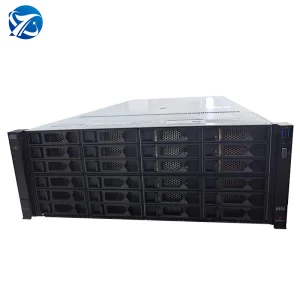
HCI combines compute, storage, and networking into a single rack system. This structure reduces network latency, simplifies setup, and allows IT managers to scale capacity horizontally. Deploying HCI helps eliminate data bottlenecks in high-speed enterprise workloads.
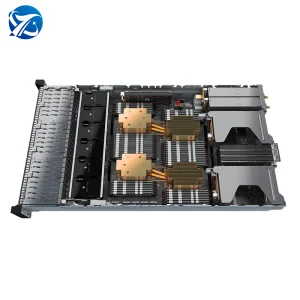
High-density components generate significant heat. Modern manufacturing limits thermal issues by using advanced chassis ventilation, energy-efficient power supplies, and layout designs optimized for airflow. These improvements reduce cooling costs and system downtime.
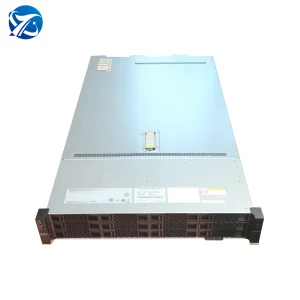
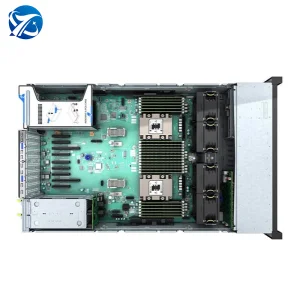
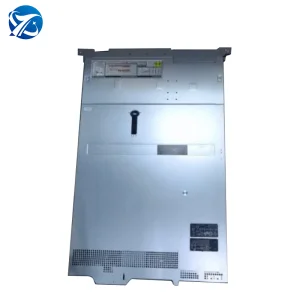
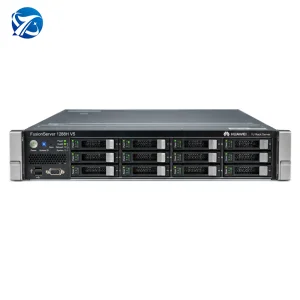
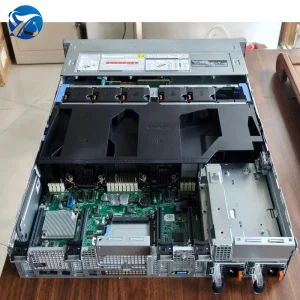
Hyperscale facilities require flexible, high-density server configurations. Leveraging 1U and 2U rack solutions like the FusionServer 1288H V5 allows providers to optimize rack density and processing power per square meter. Standardized hardware platforms help operators scale quickly and simplify routine maintenance.
High-performance computing (HPC) and AI research labs process massive datasets. These setups benefit from GPU clusters and high-speed network connections that handle heavy data loads, preventing processing bottlenecks during training phases.
For businesses balancing performance and security, hyperconverged layouts (such as the xFusion 2288H V6) merge processing power and storage. This design provides private clouds with the flexibility of public infrastructure while keeping sensitive data under local control.
Edge networks require compact, reliable hardware that operates outside traditional data center environments. Short-depth rackmount servers provide computing capacity closer to the data source, improving response times for remote operations.
Founded in 2017, Quantix Intelligent Computing Co., Ltd. is a leading GPU server manufacturer and AI infrastructure solution provider based in China. We specialize in the design, development, and production of high-performance GPU servers, AI training systems, HPC clusters, and customized computing solutions for global customers.
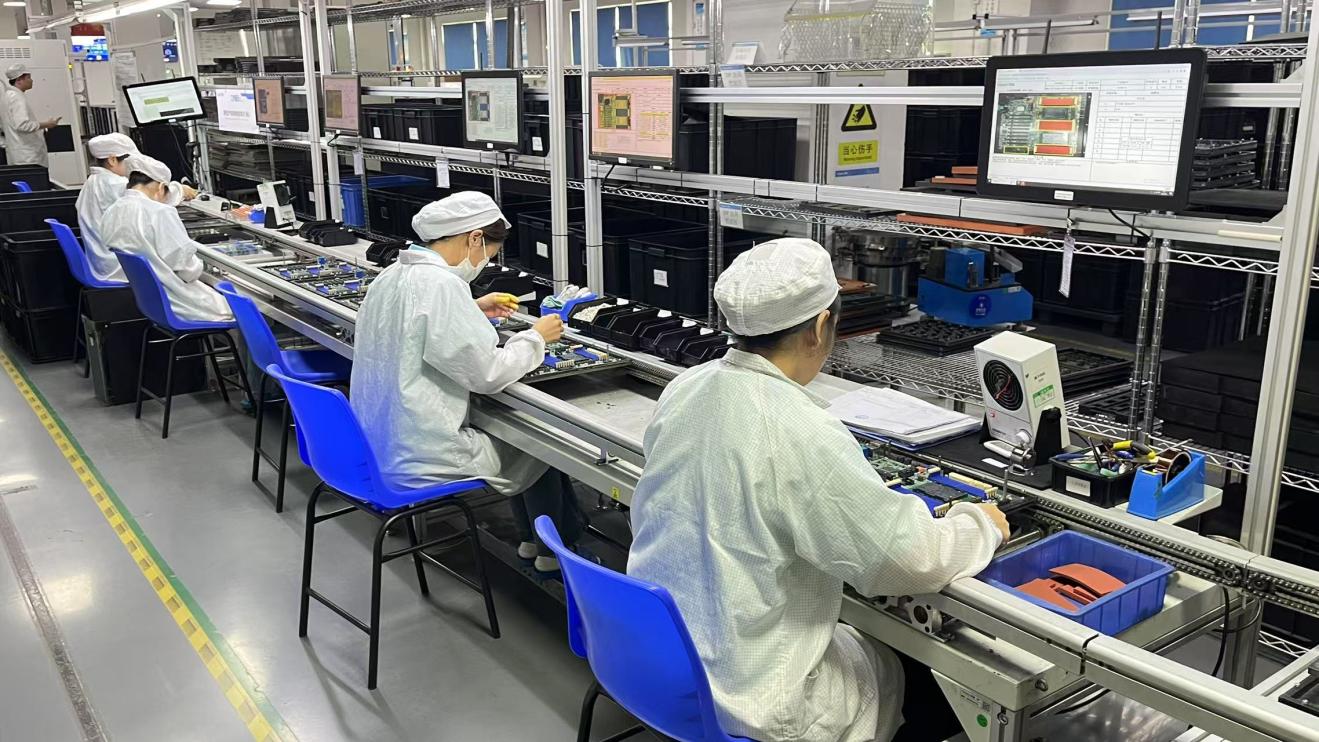
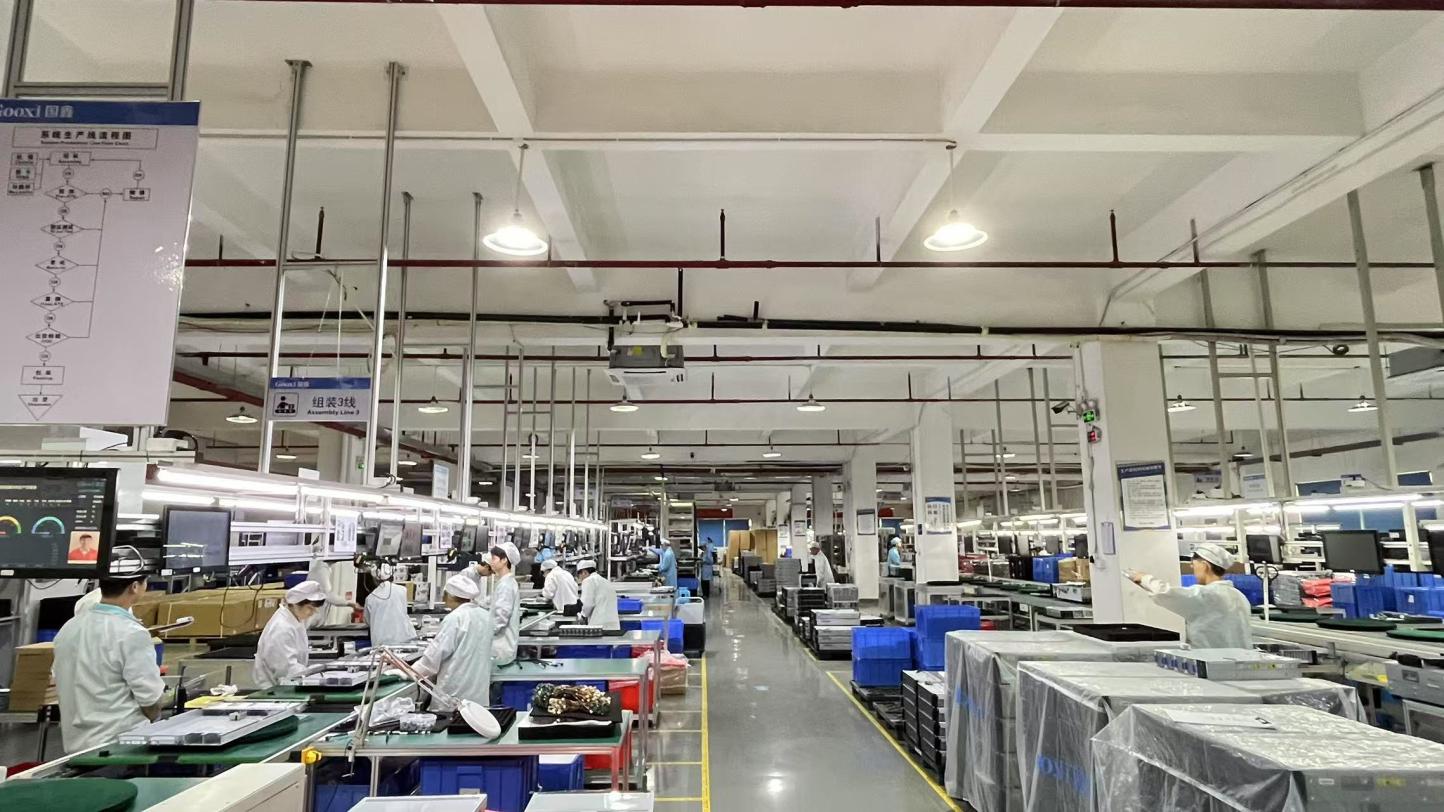
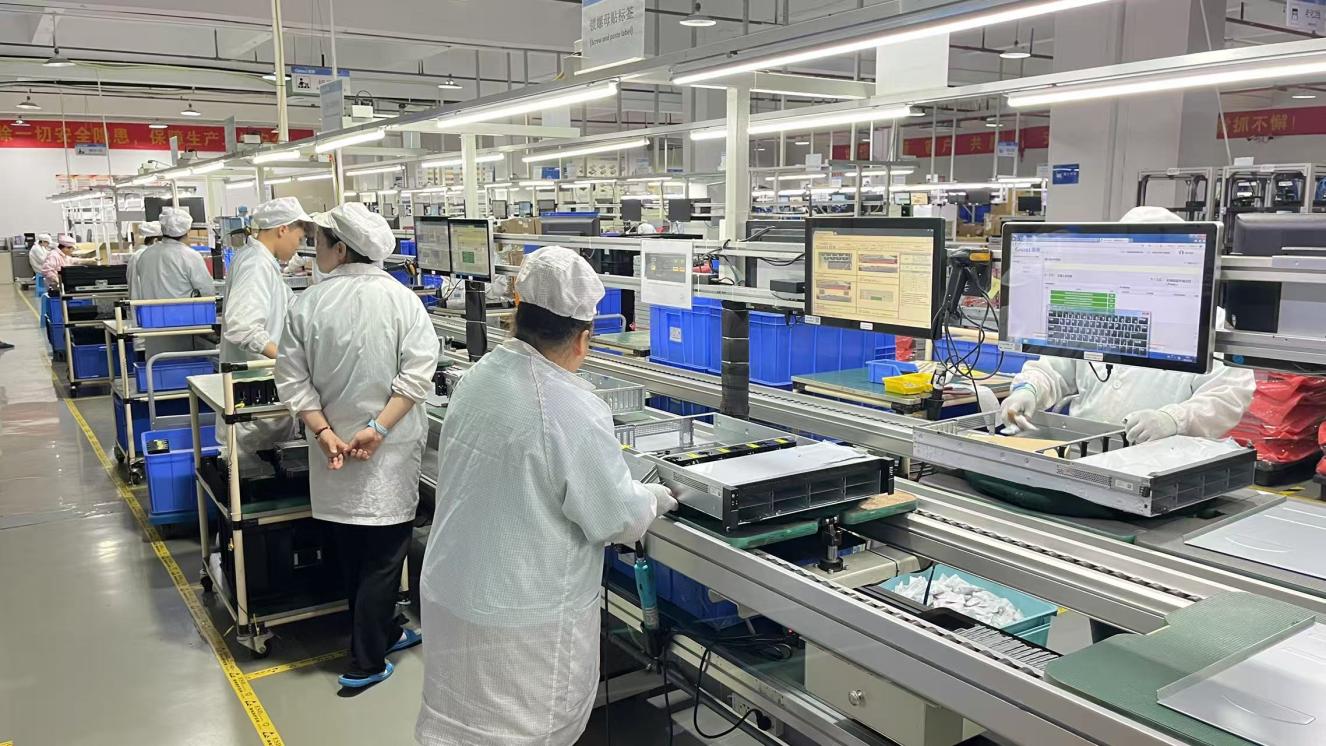
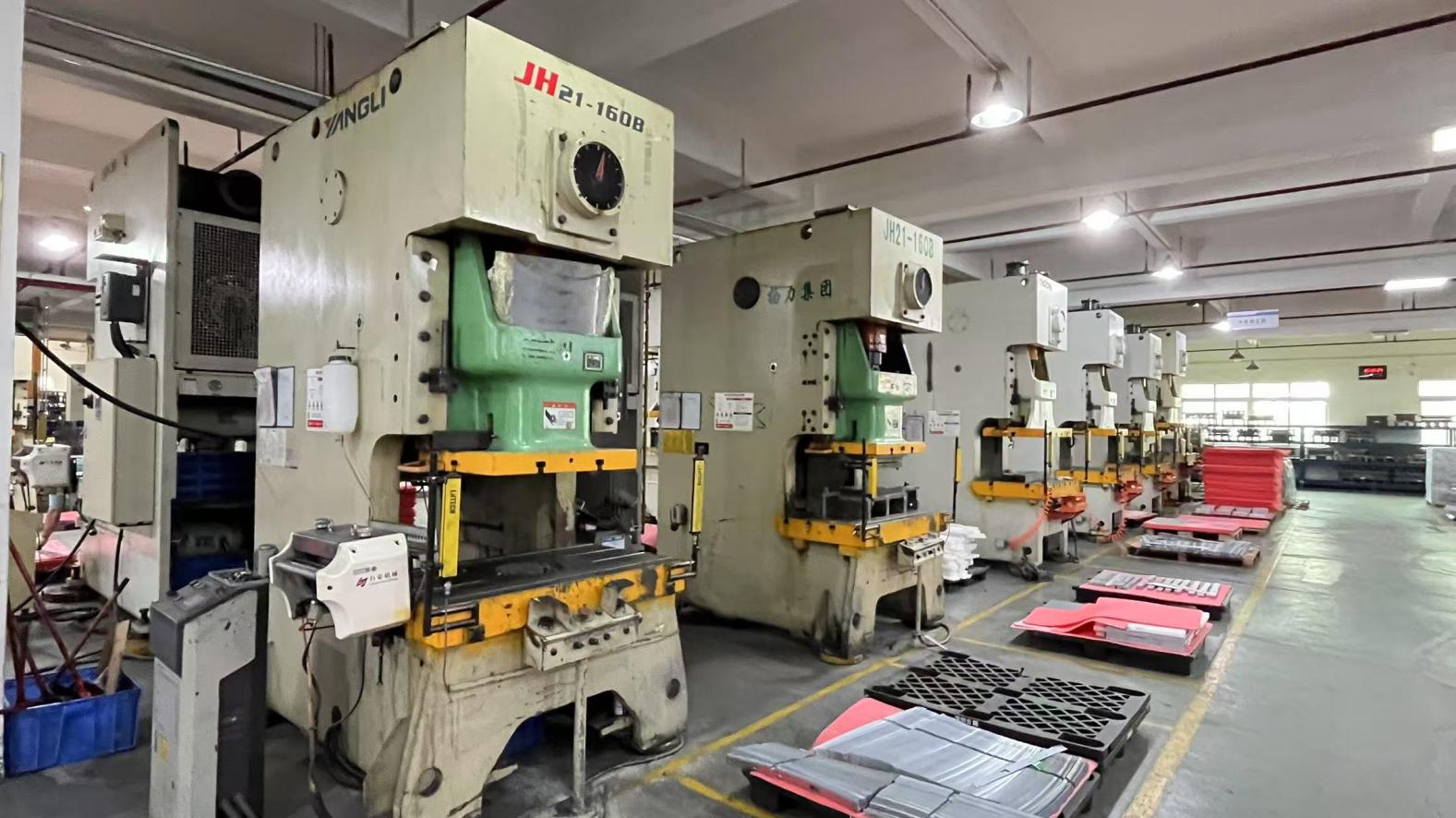
Operating from a modern manufacturing facility covering 420 square meters, Quantix combines advanced production capabilities with a strong R&D foundation to deliver reliable, scalable, and cost-effective computing hardware. Our products are widely used in artificial intelligence, machine learning, deep learning, cloud computing, big data analytics, scientific research, and enterprise data centers.
With over 9 years of export experience and 14 years of industry expertise, Quantix has established long-term partnerships with customers across North America, Europe, Southeast Asia, the Middle East, and Australia. Our annual export revenue exceeds USD 18 million, reflecting our commitment to quality, innovation, and customer satisfaction.
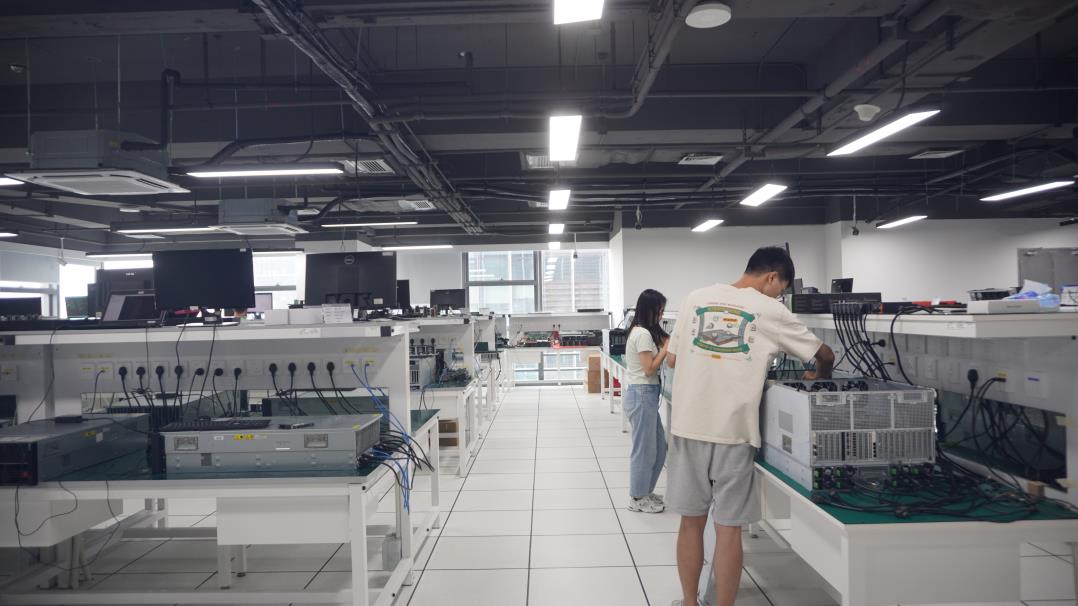
Quality is at the core of everything we do. Every server undergoes strict incoming material inspection, assembly verification, burn-in testing, performance benchmarking, and final product inspection before shipment. Our quality control team consists of 46 experienced professionals dedicated to maintaining the highest standards throughout the manufacturing process.
Supported by more than 850 supply chain partners, Quantix serves a diverse customer base including AI startups, cloud service providers, system integrators, universities, research institutions, enterprises, and data center operators worldwide.
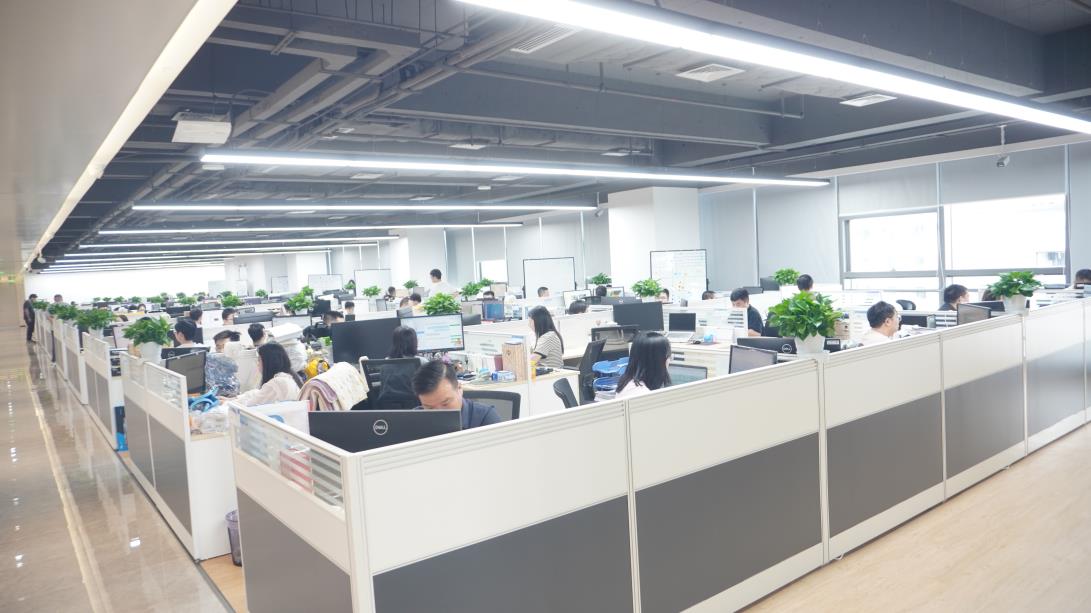
Innovation drives our growth. Our R&D department includes 78 engineers specializing in hardware architecture, thermal design, firmware optimization, and AI computing solutions. We offer comprehensive OEM and ODM services, enabling customers to customize server configurations, GPU platforms, chassis designs, branding, packaging, and deployment solutions according to their specific requirements.
Last year alone, Quantix successfully launched 126 new products and upgraded solutions, further strengthening our position in the rapidly evolving AI computing industry.
As a trusted global partner, Quantix is committed to empowering businesses with cutting-edge GPU computing infrastructure, delivering exceptional performance, reliability, and value for the future of artificial intelligence and high-performance computing.
Anticipating infrastructure requirements helps keep systems aligned with evolving industry standards.
The transition to CXL standards allows for shared memory pools across CPUs, GPUs, and network cards. This setup helps reduce latency and dynamic memory bottlenecks, improving processing efficiency for complex database and analytics tasks.
Integrating PCIe Gen 6 doubled the bandwidth of the previous generation, improving data flow to high-speed NVMe storage and multi-GPU arrays. This technology supports the high-throughput requirements of modern enterprise computing.
As rack power densities increase, liquid cooling is becoming a standard option. Implementing direct-to-chip cooling systems helps lower energy use and maintains stable component temperatures during heavy processing workloads.
Deploying servers globally requires navigating strict regulatory frameworks and regional standardizations. Sourcing products that meet import requirements simplifies deployment and minimizes supply chain delays.
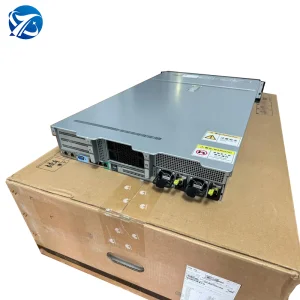
Quantix manages the logistics process to streamline international shipments. Every system we produce is configured to meet the electrical and safety requirements of the target market, with full support for certifications including CE, FCC, RoHS, and UL.
Expert answers to common technical, logistics, and configuration inquiries from enterprise buyers.
AI models require high memory bandwidth and fast inter-GPU communication. Systems like the xFusion G5500 V7 optimize these workflows by using PCIe Gen 5 buses and high-density GPU layout structures. This architecture minimizes data routing latency and ensures graphics processors can communicate at high speeds, avoiding bottlenecks during training and inference processes.
High-density 2U configurations utilize optimized fan arrays and counter-rotating fans to maintain airflow across components. These systems adjust fan speeds dynamically based on temperature readings. For higher-heat setups, hybrid cooling solutions and cold-plate designs are available to manage processor temperatures during continuous workloads.
OEM and ODM customization processes allow buyers to specify component configurations, motherboard layouts, power supplies, chassis branding, and packaging designs. Our 78 R&D engineers draft structural designs and technical prototypes based on client requirements. Once approved, the configurations undergo prototype testing before moving to production.
Our quality control protocol starts with incoming component inspection, verifying the integrity of processors, memory, and board components. During assembly, systems undergo electrical testing, followed by a continuous high-temperature burn-in test to verify thermal and system stability. Finally, we run performance benchmarks and interface checks before packaging to ensure hardware arrives ready to deploy.