Quantix
Quantix
Quantix
Explore our top-tier server clusters and out-of-band management hardware ready for API automation.
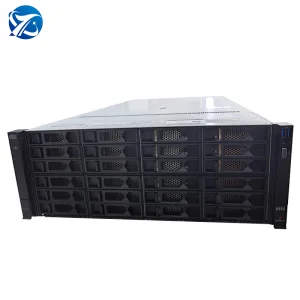
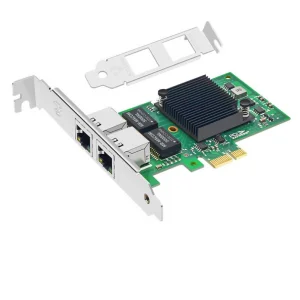
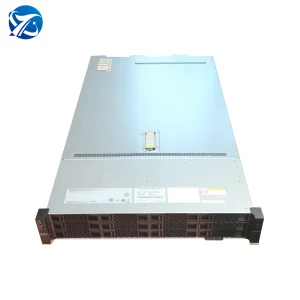
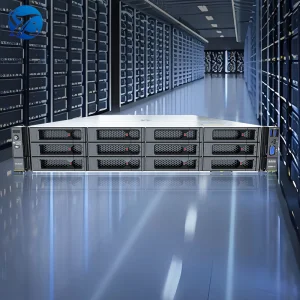
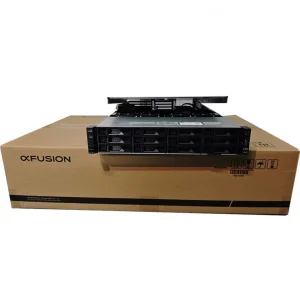
In the modern data center economy, the interface between software orchestration layer and metal is no longer a simple static connection. Global enterprises, cloud service providers, and AI system integrators require deep, programmable access to hardware performance diagnostics, power profiles, and cooling feedback loops. This is where a Custom OEM Application Programming Interface (API) Factory steps in, bridging the gap between raw compute power and dynamic automation platforms.
At Quantix Intelligent Computing Co., Ltd., we recognize that standard IPMI protocols or default out-of-band management settings are insufficient for high-density GPU computing clusters running deep learning frameworks like Deepseek. Customized API deployments enable systems to automatically scale fan speeds, redirect PCIe lane speeds based on thermal loads, and cycle power nodes programmatically. By adapting DMTF Redfish standards and proprietary Baseboard Management Controller (BMC) interfaces, we deliver systems engineered for complete automation.
"Hardware customization is only half the battle. Without robust, secure, and extensible Application Programming Interfaces, scaling a 10,000-node GPU cluster is practically impossible." — Quantix Systems Architecture Group
Historically, server management relied on basic serial ports and legacy IPMI protocols that offered minimal security and restricted parameter controls. In the era of Industry 4.0 and complex AI training, modern hardware requires RESTful APIs capable of returning JSON data packets. These interfaces enable telemetry systems to monitor CPU junction temperatures, real-time power consumption, and PCIe bus error rates. Our R&D team works directly on the BIOS and BMC firmware layers to embed custom REST APIs directly into the hardware controllers, ensuring zero overhead on host operating systems.
A tracking of our technological capabilities and industrial manufacturing footprint supporting global server OEMs.
Modern enterprises no longer buy servers as isolated boxes. Sourcing procurement managers evaluate platforms based on their total cost of ownership (TCO) and integration capabilities within existing automated cloud platforms. Out-of-band monitoring via custom APIs allows companies to implement predictive maintenance protocols, scheduling hardware swaps before critical components fail. This proactive diagnostic capacity decreases downtime and keeps large-scale deep learning models running smoothly.
Furthermore, with global commitments to energy conservation and carbon footprints, hardware power monitoring has shifted from a secondary feature to a core architectural requirement. Enterprises utilize our dynamic RESTful BIOS APIs to control power caps dynamically, adapting energy consumption patterns to fit shifting grid rates. In multi-tenant environments, these custom-designed hardware APIs allow host providers to bill users based on exact power and GPU utilization telemetry, optimizing revenue capture.
In high-density GPU nodes, thermal performance dictates processor lifetimes. Standard firmware often sets generic fan curves that can lead to either noise pollution or overheating. Our custom API architecture exposes precise variables, allowing orchestrators to override thermal control schemes. In water-cooled environments, this level of control enables smooth communication between external heat-exchanger units and internal server controllers, preventing thermal throttling during intense workloads.
How Quantix engineers custom BMC, Redfish, and RESTful telemetry hooks to maximize compute efficiency.
Standardizing API endpoints using DMTF Redfish standards. Replaces antiquated IPMI with clean, structured JSON schemas that integrate directly with Terraform, Ansible, and custom management platforms.
Securing out-of-band networks with custom certificate management, Mutual TLS (mTLS), and role-based access control (RBAC) integrated into the BMC core, preventing unauthorized API calls.
Enabling WebSocket and gRPC telemetry pipes. Stream hardware states, temperature readings, and memory parity checks directly to analytics endpoints with minimal network overhead.
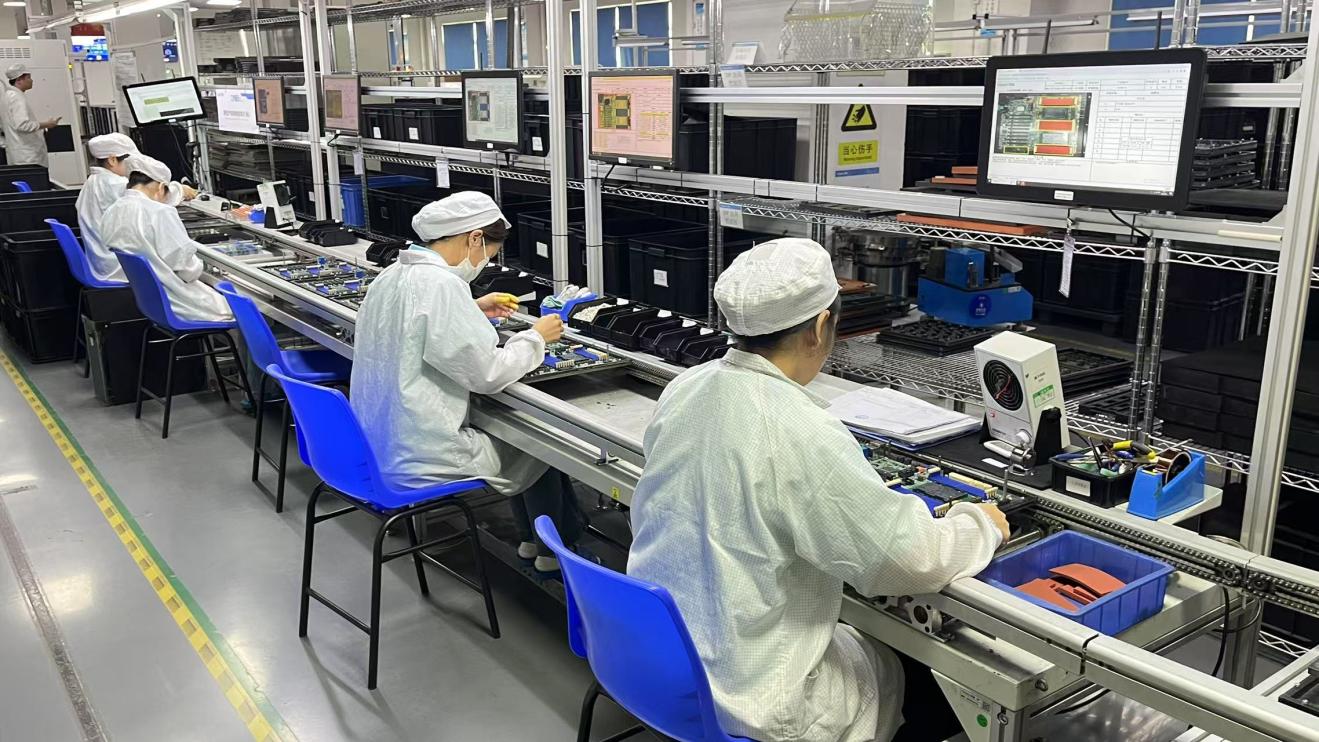
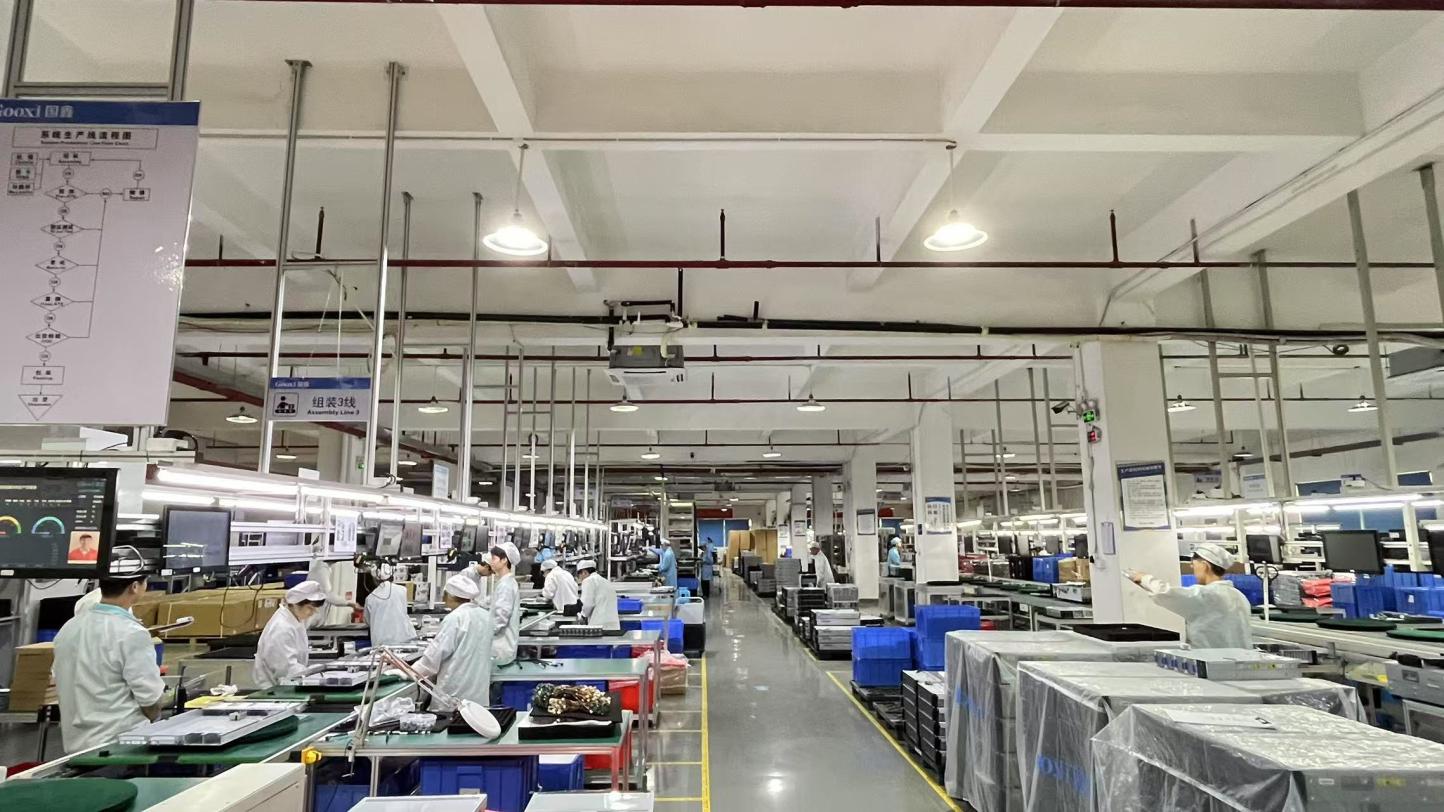
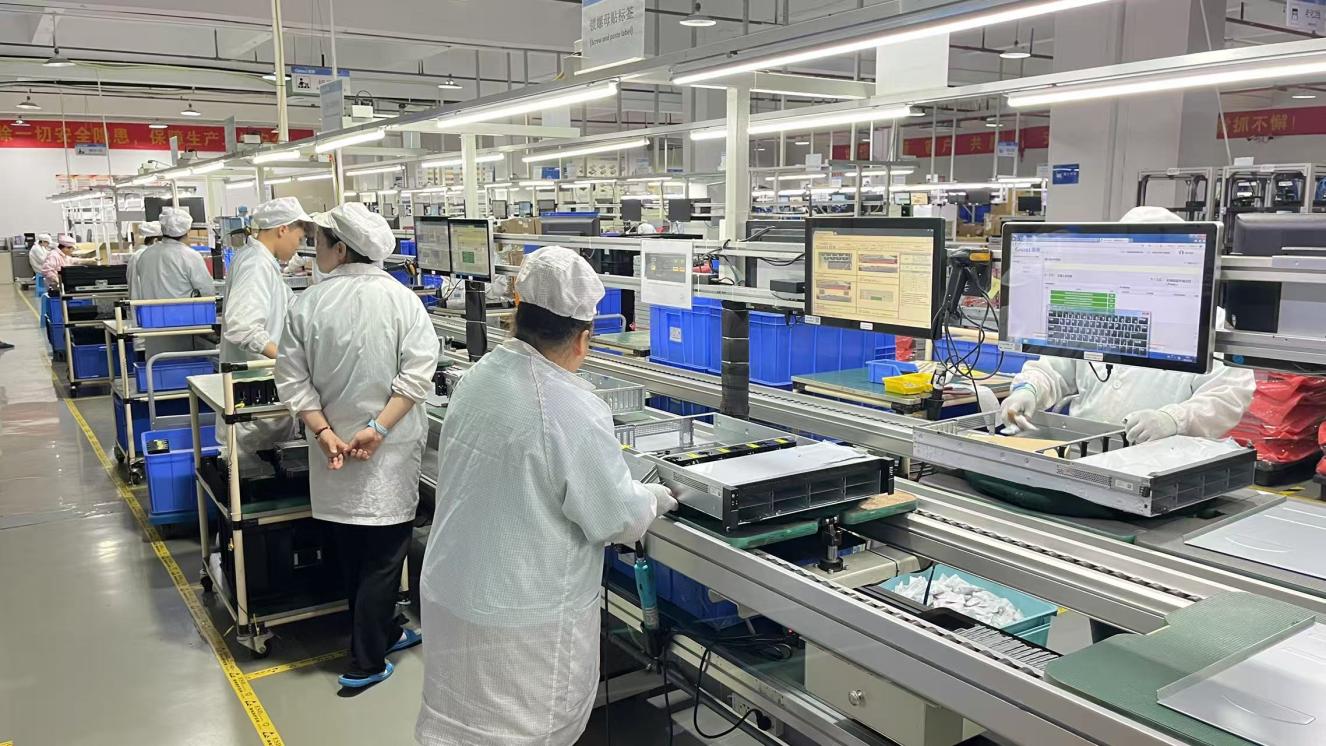
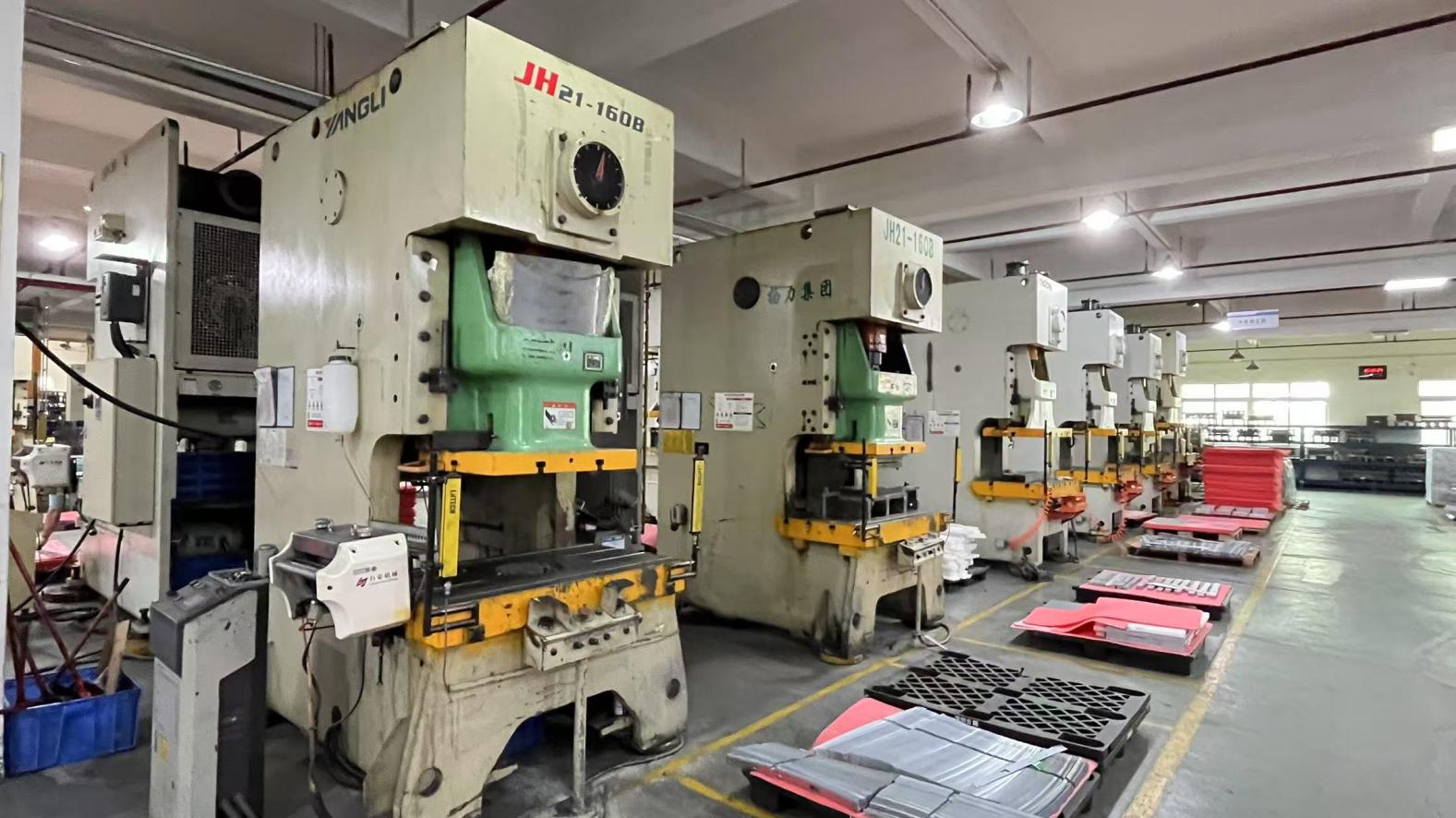
The manufacturing floor of Quantix Intelligent Computing in China serves as a model of contemporary hardware co-design. Spanning a 420-square-meter modern facility, our manufacturing line integrates hardware assembly with real-time software flashing and testing. Operating a complex server pipeline requires instant access to silicon chips, high-speed printed circuit boards (PCBs), chassis, custom heat sinks, and passive elements. Backed by a vast ecosystem of over 850 supply chain partners, we prevent component bottlenecks that typically impact larger manufacturers.
This supply chain integration allows us to offer swift prototyping and development cycles. For instance, when a global partner needs a customized API design for an enterprise GPU server to track NVLink lanes, our 78 specialized engineers can design, test, and release the firmware revision in a fraction of the time. Last year, this collaborative design cycle helped us ship 126 new solutions and upgrade packages to international data centers.
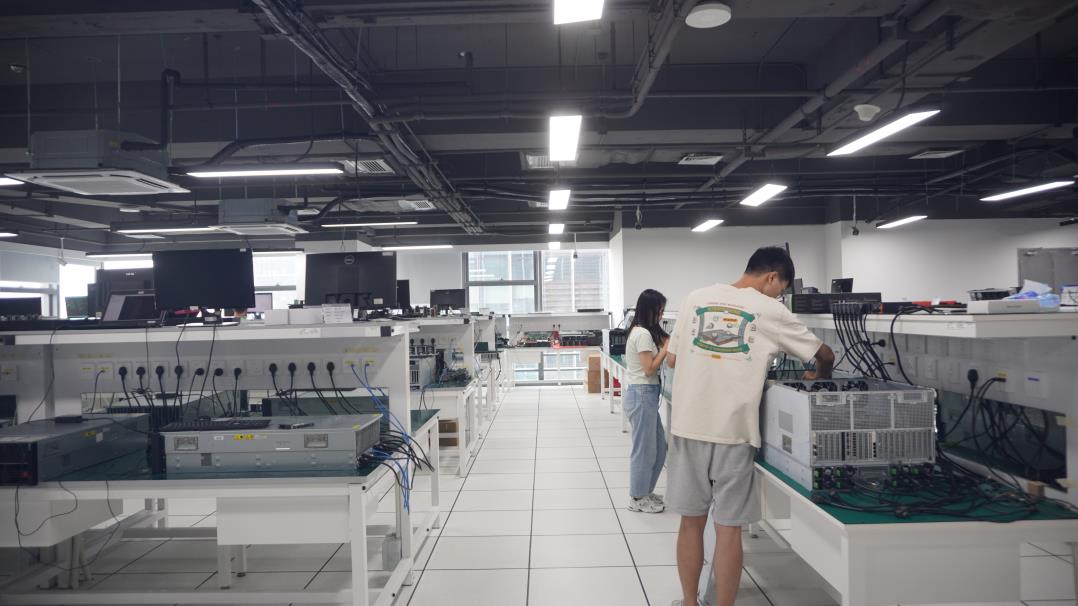
In addition, our manufacturing line employs robust testing loops. Each server undergoes incoming component vetting, dynamic assembly reviews, extreme temperature burn-in trials, and performance sweeps. Every API endpoint is systematically scanned for response latency and security compliance by our 46 QC professionals, ensuring that the final systems integrate seamlessly into target deployment sites.
Get answers to the most common questions regarding hardware custom API integration, firmware personalization, and factory deployment workflows.
Browse processors, solid-state drives, and server nodes designed for modern data centers.
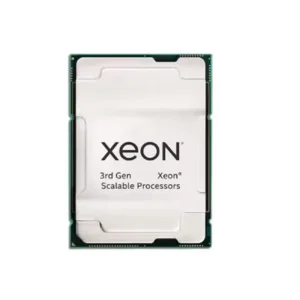
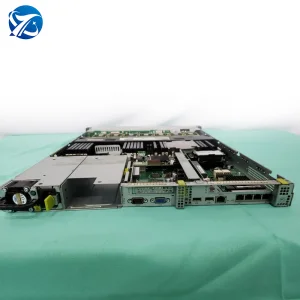
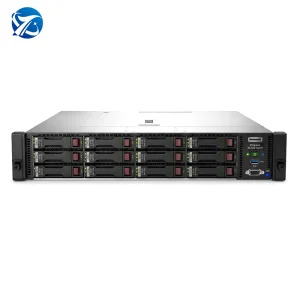
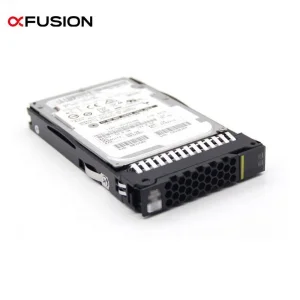
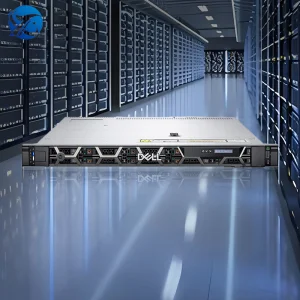
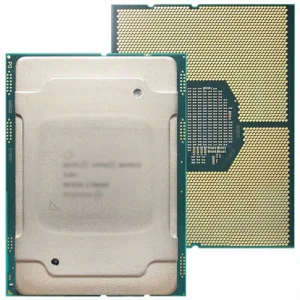
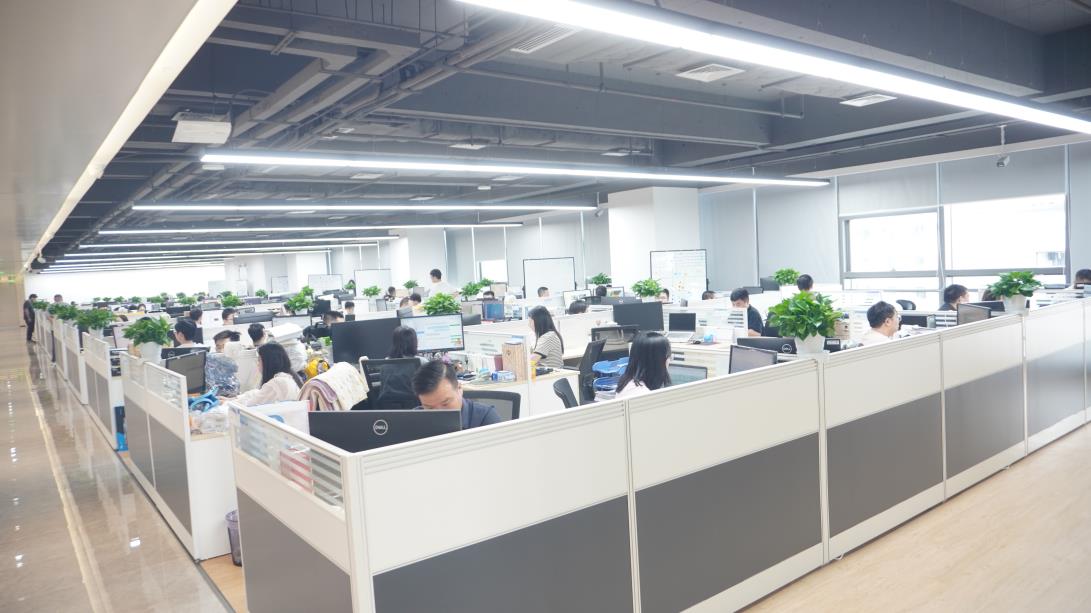
Take a look inside our 420-square-meter modern facility, showcasing R&D setups, hardware verification, and assembly operations.