Quantix
Quantix
Quantix
Industry Expertise
Annual Export Revenue
Dedicated R&D Specialists
Supply Chain Partners
As enterprise operations transition toward artificial intelligence, big data analytics, and real-time processing, the architecture of IT infrastructure must evolve to mitigate catastrophic data loss and service downtime. Disaster Recovery (DR) is no longer merely an option for local data restoration; it is a foundational pillar of modern global digital resilience. Modern business applications demand ultra-low Recovery Time Objectives (RTO) and Recovery Point Objectives (RPO), making high-availability server systems, active-active configuration designs, and redundant hardware components standard industry requirements.
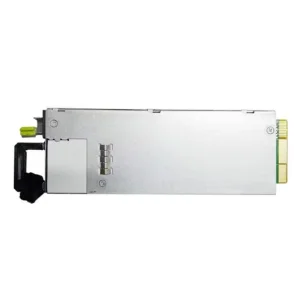
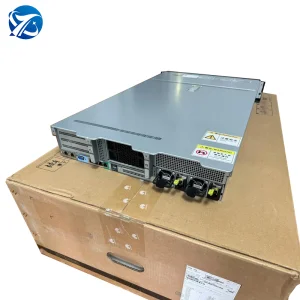
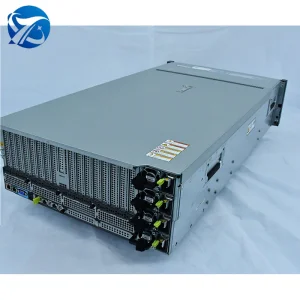
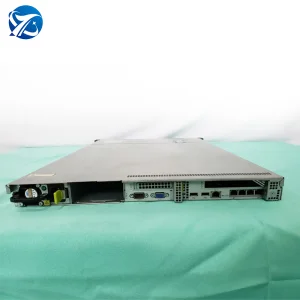
At the silicon and chassis levels, implementing robust disaster recovery requires specialized OEM configurations. Enterprises must deploy servers equipped with hardware-level RAID (such as the XP270-M2- SAS3808 BootCard with RAID 0, 1, and JBOD configurations) to ensure boot disk persistence and redundancy. Redundant Power Supply Units (PSUs) running at platinum efficiency (900W to 2000W) act as the primary defense against power grid failures, and high-frequency, fault-tolerant memory architectures (such as DDR4 and DDR5 ECC RDIMM modules) safeguard against soft memory errors that can corrupt critical databases. Partnering with a specialized OEM manufacturer ensures that these configurations are designed to meet exact load requirements, thermal profiles, and hardware safety regulations.
Across North America, Europe, the Middle East, and Asia-Pacific, procurement managers, IT directors, and systems integrators are shifting their strategies from purchasing standard off-the-shelf equipment to custom-designed server architectures. Key global purchasing requirements focus on:
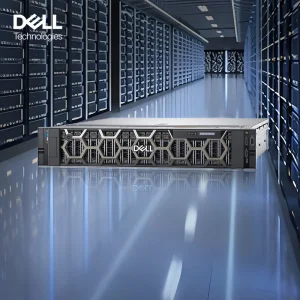
Fully tailored chassis form factors, power distribution setups, custom branding, and optimized firmware designed specifically for your corporate disaster recovery environment.
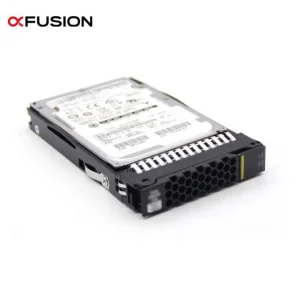
Advanced hot-swappable bays, high-speed SAS3808 storage controller chips, redundant PSUs, and ECC system memory designed to guarantee 99.999% server uptime.
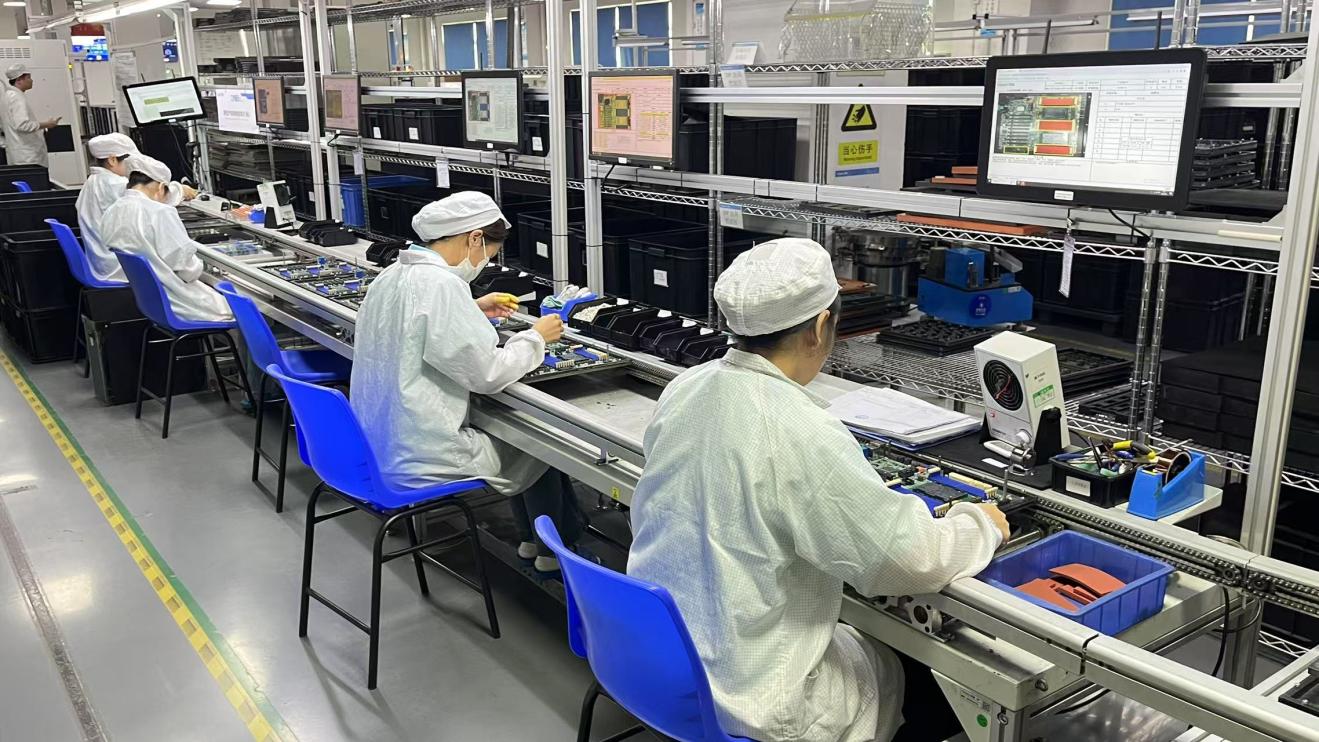
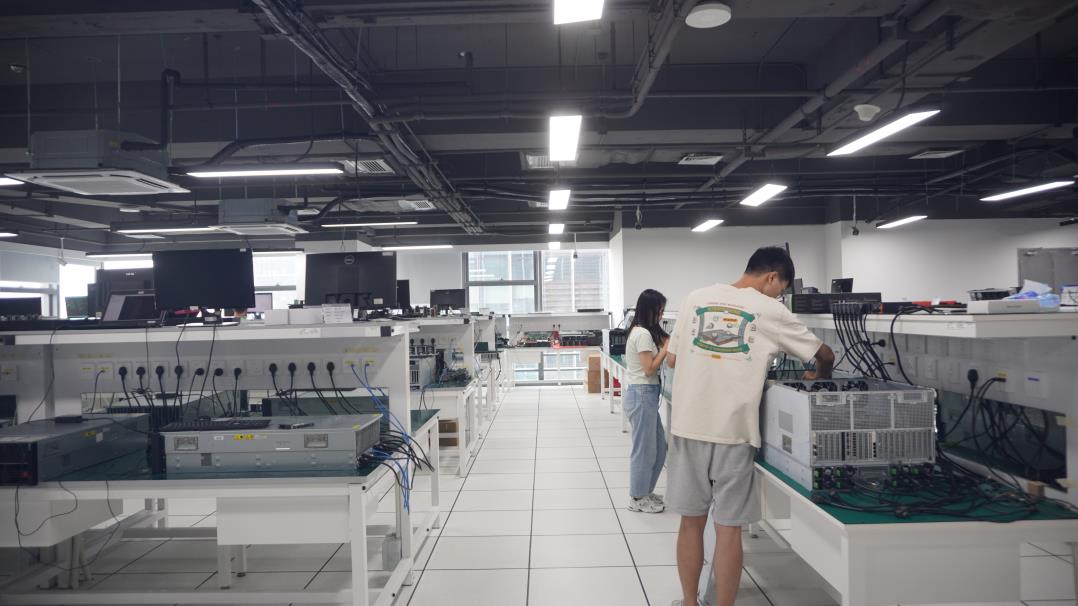
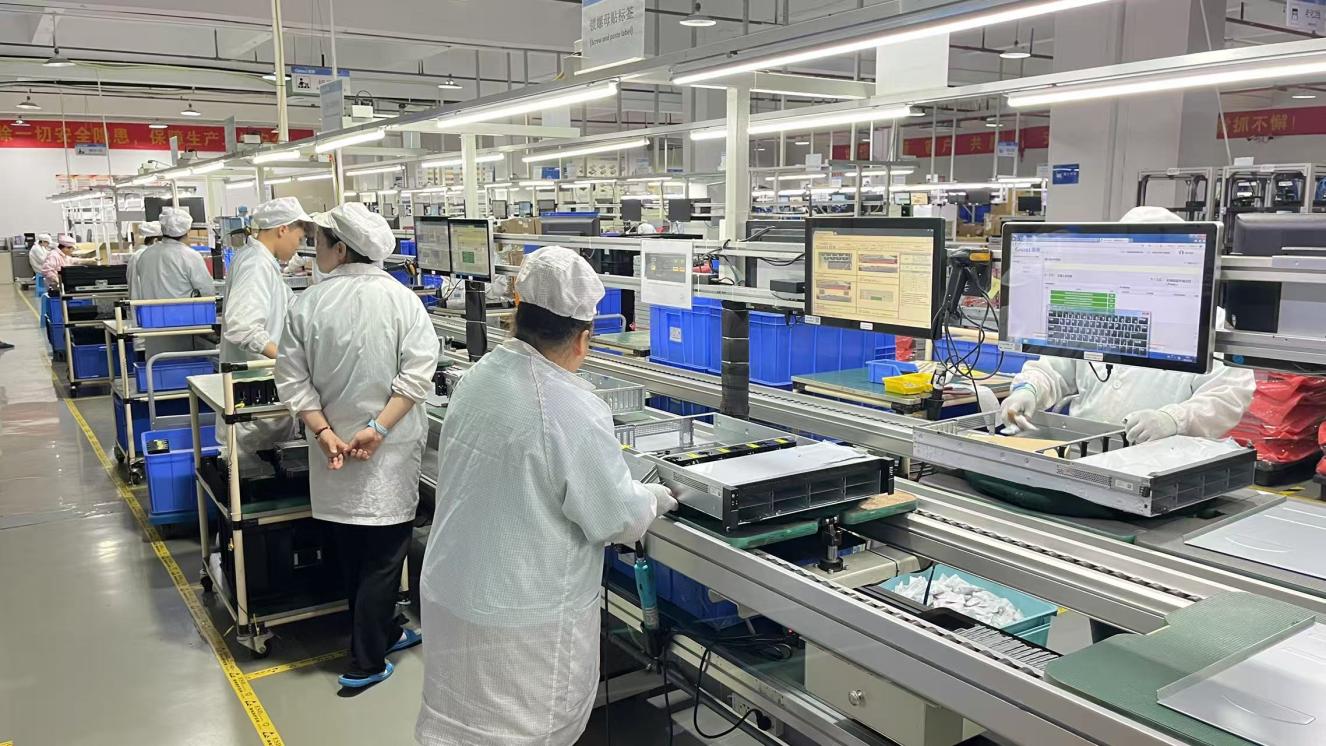
Every custom computing node undergoes comprehensive testing, including incoming material inspections, structural assembly testing, high-temperature burn-in, and benchmarking.
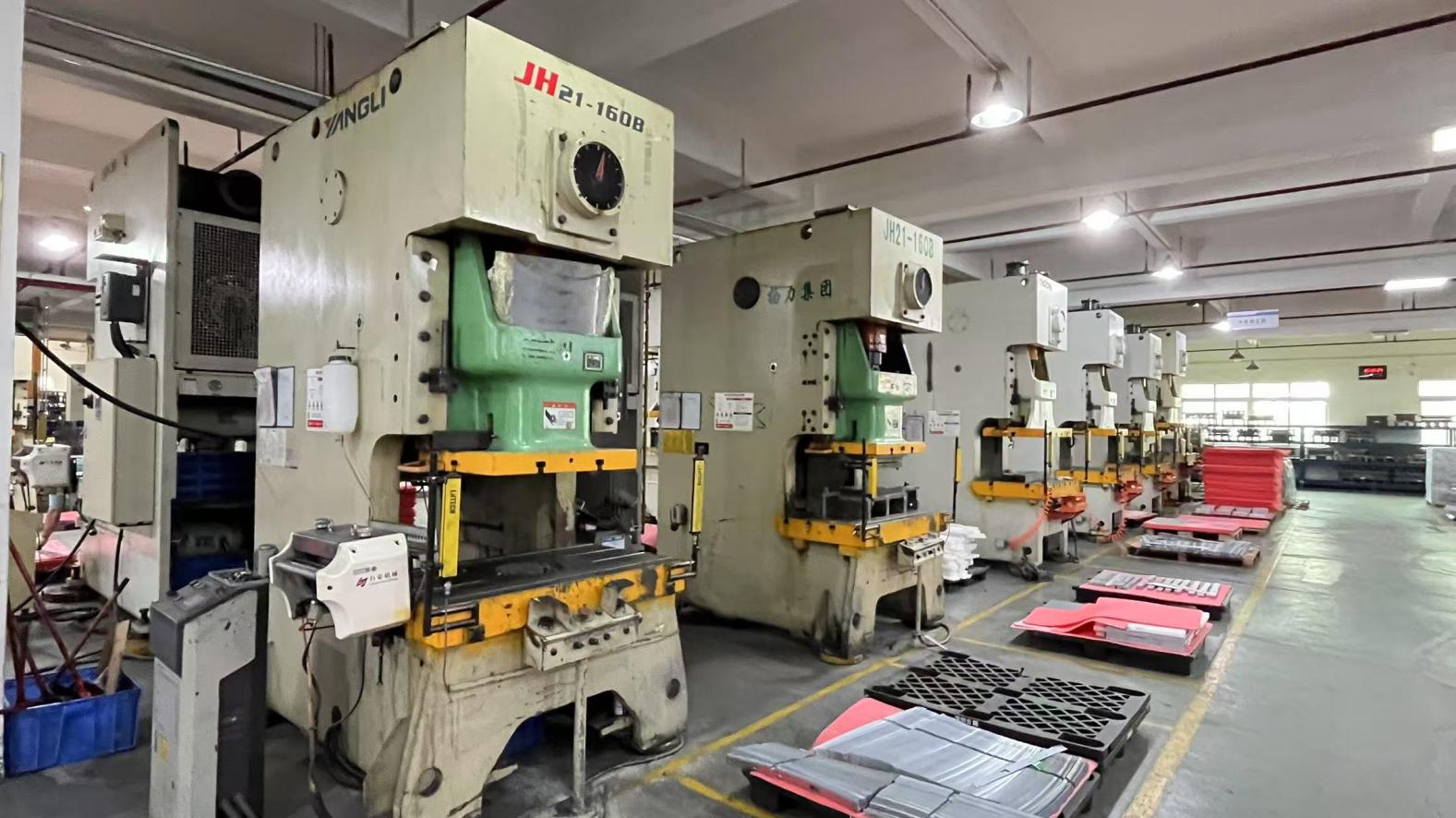
As a leading center for global hardware manufacturing, China’s industrial ecosystem leverages "Factory 4.0" automation, integrated components supply networks, and streamlined logistics. By concentrating PCB fabrication, structural sheet-metal tooling, semiconductor packaging, and system assembly within highly integrated technology clusters, manufacturers can achieve unmatched efficiency and rapid product turnaround times.
For custom OEM/ODM server deployments, this structural advantage translates into three major value propositions:
Founded in 2017, Quantix Intelligent Computing Co., Ltd. is a leading GPU server manufacturer and AI infrastructure solution provider based in China. We specialize in the design, development, and production of high-performance GPU servers, AI training systems, HPC clusters, and customized computing solutions for global customers.
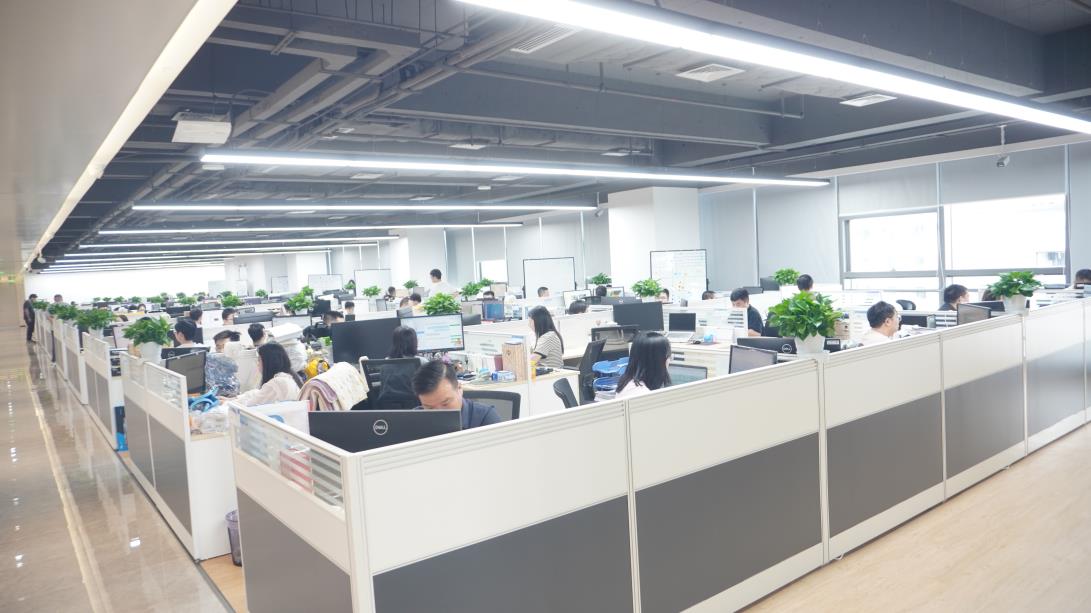
Operating from a modern manufacturing facility covering 420 square meters, Quantix combines advanced production capabilities with a strong R&D foundation to deliver reliable, scalable, and cost-effective computing hardware. Our products are widely used in artificial intelligence, machine learning, deep learning, cloud computing, big data analytics, scientific research, and enterprise data centers.
With over 9 years of export experience and 14 years of industry expertise, Quantix has established long-term partnerships with customers across North America, Europe, Southeast Asia, the Middle East, and Australia. Our annual export revenue exceeds USD 18 million, reflecting our commitment to quality, innovation, and customer satisfaction.
Quality is at the core of everything we do. Every server undergoes strict incoming material inspection, assembly verification, burn-in testing, performance benchmarking, and final product inspection before shipment. Our quality control team consists of 46 experienced professionals dedicated to maintaining the highest standards throughout the manufacturing process.
Supported by more than 850 supply chain partners, Quantix serves a diverse customer base including AI startups, cloud service providers, system integrators, universities, research institutions, enterprises, and data center operators worldwide.
Innovation drives our growth. Our R&D department includes 78 engineers specializing in hardware architecture, thermal design, firmware optimization, and AI computing solutions. We offer comprehensive OEM and ODM services, enabling customers to customize server configurations, GPU platforms, chassis designs, branding, packaging, and deployment solutions according to their specific requirements.
Last year alone, Quantix successfully launched 126 new products and upgraded solutions, further strengthening our position in the rapidly evolving AI computing industry.
As a trusted global partner, Quantix is committed to empowering businesses with cutting-edge GPU computing infrastructure, delivering exceptional performance, reliability, and value for the future of artificial intelligence and high-performance computing.

To design an effective disaster recovery site or build high-availability compute nodes, engineering teams must focus on failure mitigation across four main hardware areas:
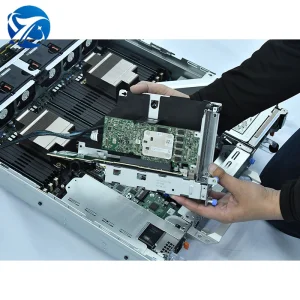
Data loss frequently occurs due to boot drive corruption or storage write failures. Implementing dedicated M.2 SATA/NVMe controller cards that run a hardware-based RAID 1 array ensures the underlying operating system remains operational through disk failures. By keeping boot management separate from primary storage bays, administrators can replace failed boot drives without interrupting active storage or application workloads.
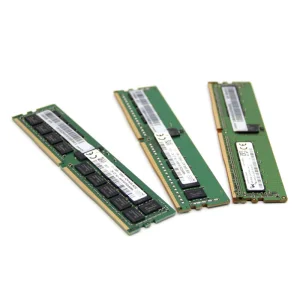
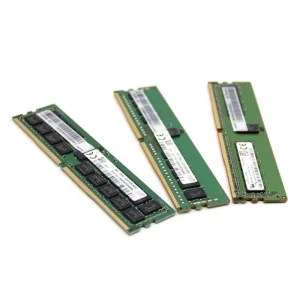
System memory errors are a leading cause of kernel panics and sudden system reboots. Incorporating Enterprise Error-Correcting Code (ECC) RDIMM modules is vital. These modules use built-in parity logic to detect and automatically correct single-bit memory errors on the fly. This prevents system crashes, protects active transactional databases, and ensures the system remains stable during heavy backup operations.
A server’s power supply unit (PSU) is its most common failure point. High-availability installations use dual (1+1) or quad (2+2) hot-swappable platinum-efficiency power supplies that support load sharing. In this configuration, if one power supply fails or an electrical phase goes down, the remaining PSUs seamlessly assume the load, ensuring uninterrupted operation.
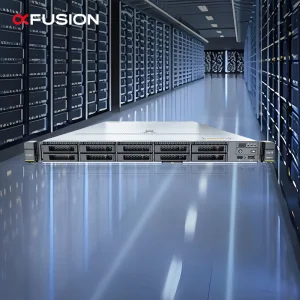
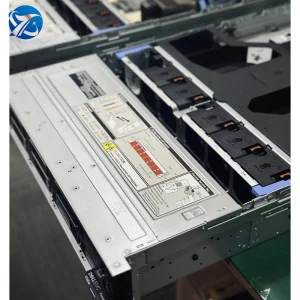
High-density GPU systems generate significant heat. Standard layouts must use optimized 1U or 2U chassis configurations with high-airflow, hot-swappable fan modules. Managing thermals effectively prevents automatic thermal throttling, which can degrade system performance and disrupt data synchronization schedules between primary and secondary disaster recovery sites.