Quantix
Quantix
Quantix
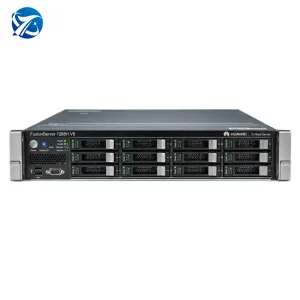
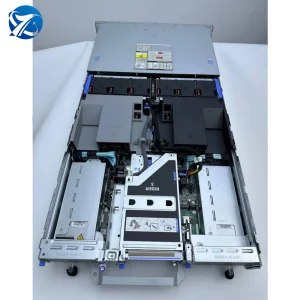
High-performance array cards, interface adaptors, and high-density compute nodes ready for customization.
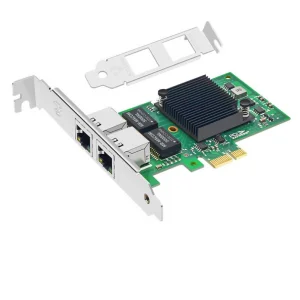
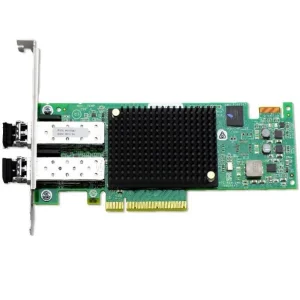

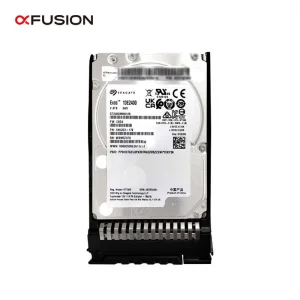
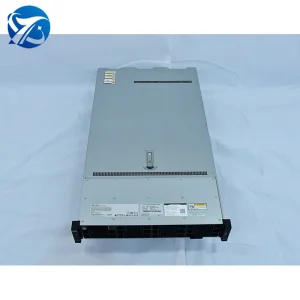
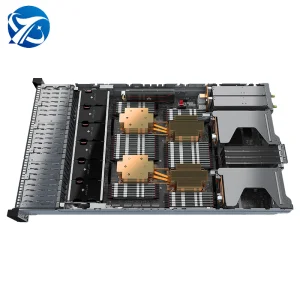
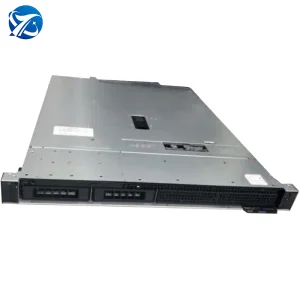
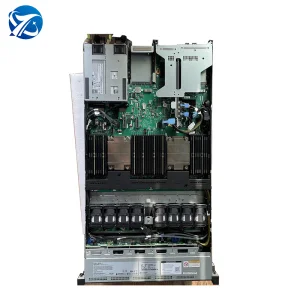
Analyzing data density, hardware-level logic, and the strategic paradigm shift toward custom architecture design.
In the era of hyper-scale cloud fabrics, large-scale artificial intelligence models, and distributed high-performance computing (HPC), data infrastructure is undergoing a fundamental transformation. Standardized, off-the-shelf servers often fail to address the unique workload bottlenecks faced by modern enterprises. Optimal data management demands hardware-level specialization—specifically engineered storage networks, custom backplanes, low-latency host bus adapters (HBAs), and resilient RAID controllers designed to sustain high operations per second (IOPS) under thermal stress.
Industrial installations, ranging from smart manufacturing plants processing real-time telemetry to scientific laboratories executing petabyte-level simulations, require tailored computing layers. The critical challenge is no longer merely buying raw computing capacity; it is achieving balanced throughput across memory channels, storage fabrics, and system PCIe buses. By leveraging specialized OEM/ODM hardware design, enterprise purchasers can customize mechanical layouts, component selections, and BIOS firmware profiles to guarantee interoperability, minimize latency, and lower total cost of ownership (TCO).
Implementing custom SAS/SATA/NVMe Tri-Mode RAID solutions and Fibre Channel adapters to ensure high-bandwidth lanes are never throttled during concurrent access operations.
Configuring dedicated server architectures utilizing single, dual, or quad-socket platforms that align processor topologies with memory access requirements.
Integrating custom fan duty curves, airflow baffles, and advanced liquid cooling blocks to reduce secondary fan energy consumption in dense data center environments.
Why sourcing server and storage systems from China guarantees efficiency, supply chain robustness, and rapid innovation.
The global technology supply chain relies heavily on industrial ecosystems capable of rapid component integration. Working with an OEM/ODM provider based in China, such as Quantix, offers structural advantages in manufacturing efficiency, supply network depth, and structural engineering. With direct proximity to raw materials, PCB fabrication facilities, and precision tooling manufacturers, the development cycle from concept to final assembly is dramatically compressed.
Rather than dealing with fragmented vendors across multiple continents, international procurers benefit from a vertically integrated cluster. The combination of comprehensive incoming material inspection, specialized hardware-level burn-in testing, and high-frequency R&D revisions allows Chinese manufacturers to iterate designs within weeks, compared to the months required in other regions. This agility directly translates to rapid commercialization of next-generation hardware featuring the latest interfaces like PCIe 5.0, high-speed DDR5 memory subsystems, and multi-mode array interfaces.
Leveraging relations with over 850 verified supply chain partners to source high-grade components without long lead times.
Employing dedicated QA personnel implementing strict material checks, system stress testing, and custom performance benchmarking.
Achieving up to 30% reduction in manufacturing overhead compared to Western integrators without sacrificing server longevity.
Empowering the future of AI and high-performance computing with robust and scalable hardware solutions.
Founded in 2017, Quantix Intelligent Computing Co., Ltd. is a leading GPU server manufacturer and AI infrastructure solution provider based in China. We specialize in the design, development, and production of high-performance GPU servers, AI training systems, HPC clusters, and customized computing solutions for global customers.
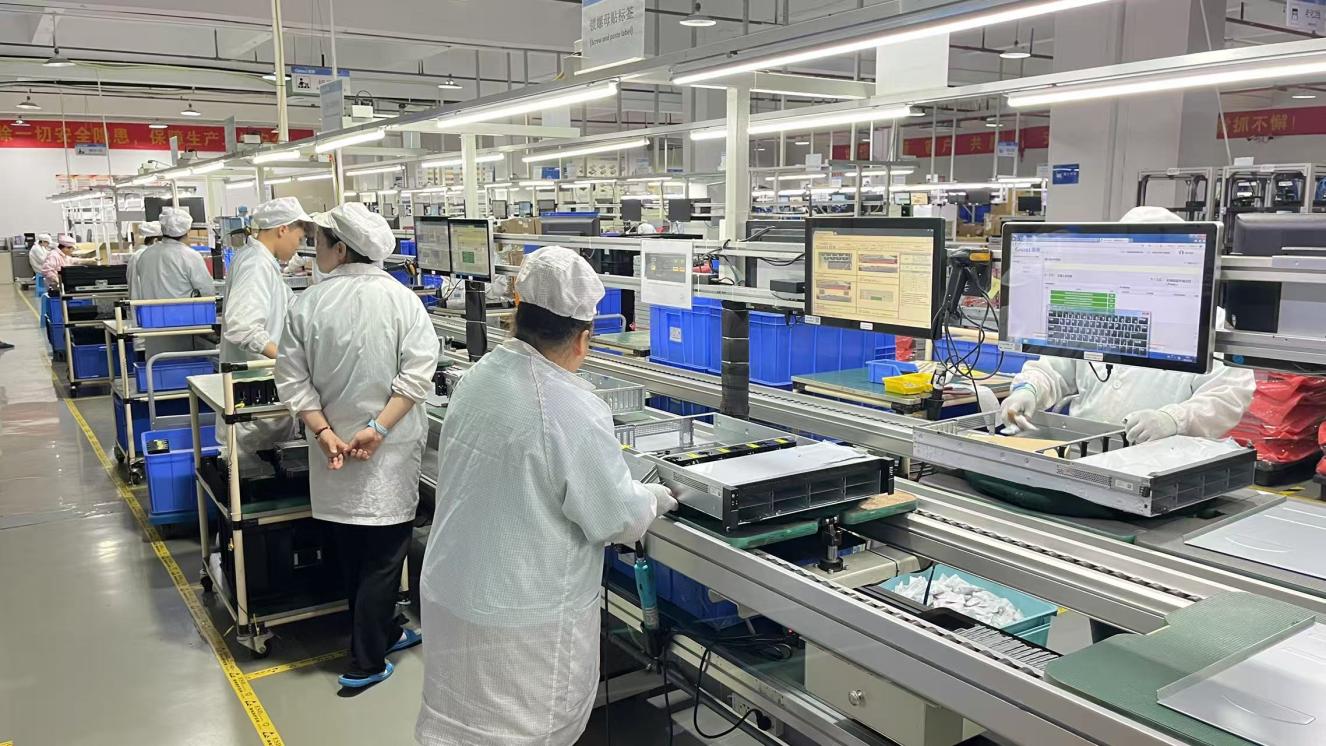
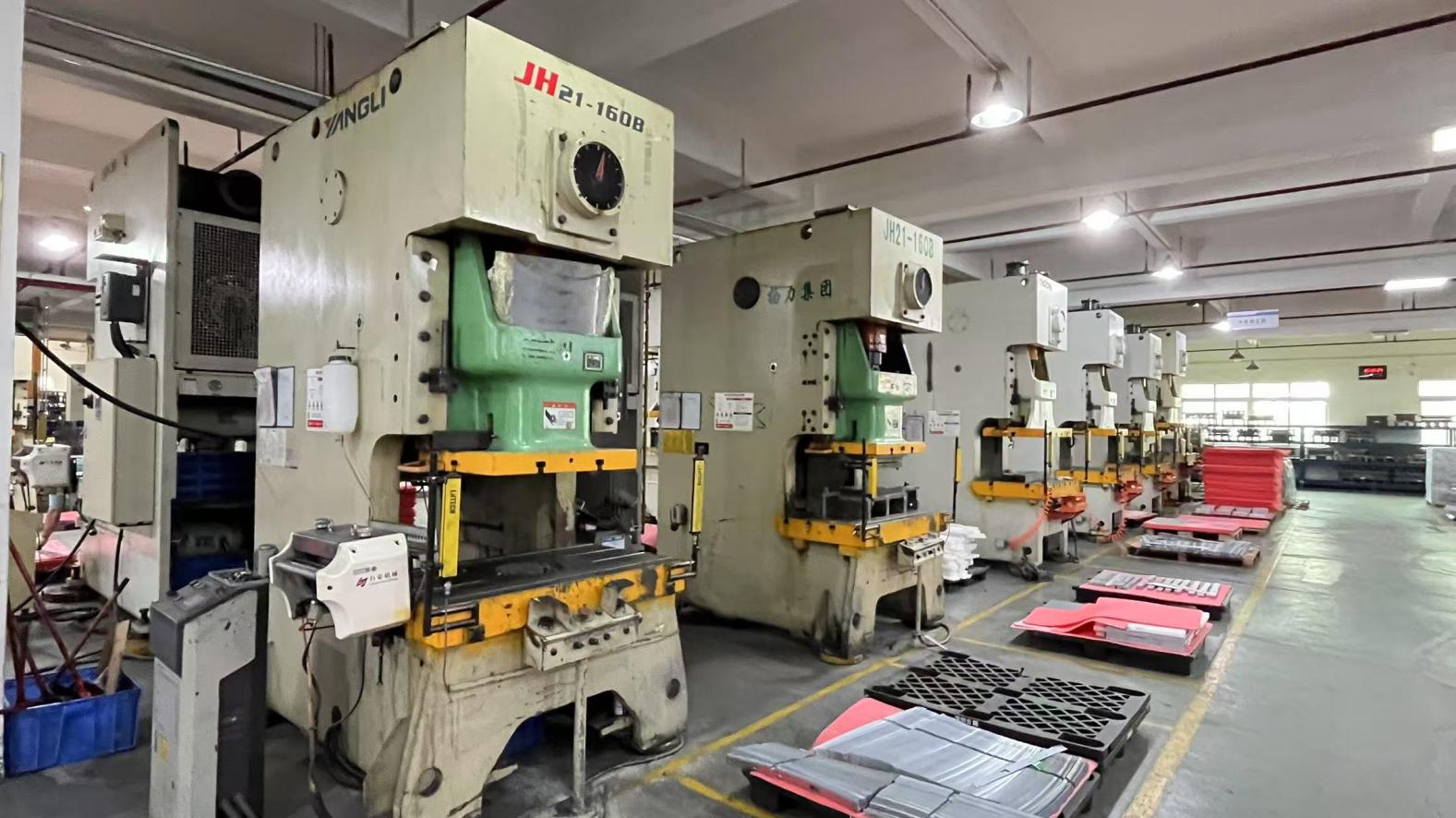
Operating from a modern manufacturing facility covering 420 square meters, Quantix combines advanced production capabilities with a strong R&D foundation to deliver reliable, scalable, and cost-effective computing hardware. Our products are widely used in artificial intelligence, machine learning, deep learning, cloud computing, big data analytics, scientific research, and enterprise data centers.
With over 9 years of export experience and 14 years of industry expertise, Quantix has established long-term partnerships with customers across North America, Europe, Southeast Asia, the Middle East, and Australia. Our annual export revenue exceeds USD 18 million, reflecting our commitment to quality, innovation, and customer satisfaction.
Discover how custom hardware configurations are deployed across high-demand enterprise environments.
The arrival of modern LLMs, such as DeepSeek R1 671B and similar massive transformer models, has placed unprecedented computational demands on servers. These workloads require optimized GPU servers configured with DDR5 memory, fast PCIe Gen 5 routing, and high-performance NVMe storage pools. Quantix designs systems that manage complex multi-GPU interconnections and minimize communication bottlenecks, ensuring containerized model execution and deep learning workflows achieve optimal throughput.
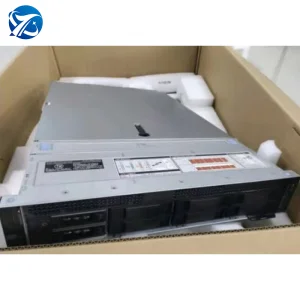
In data-driven sectors like finance, telecommunications, and healthcare, data loss is not an option. Hardware solutions must feature enterprise-grade SAS/SATA/NVMe RAID controllers equipped with DDR cache and integrated battery backup modules. Custom-built 1U and 2U storage nodes are configured to run highly resilient file systems and hardware configurations, offering redundant power supplies, hot-swappable bays, and high-port-count adapters for seamless capacity expansion.
Scientific modeling, genetic research, and big data analysis projects depend heavily on raw CPU performance, extensive memory capacity, and optical network fabrics like InfiniBand or 32Gb Fibre Channel. By tailoring chassis thermal design and utilizing multi-socket server blocks (such as 4-socket configurations), we enable data centers to pack dense computing capabilities into small physical footprints, lowering facility power consumption and maximizing system MTBF (Mean Time Between Failures).
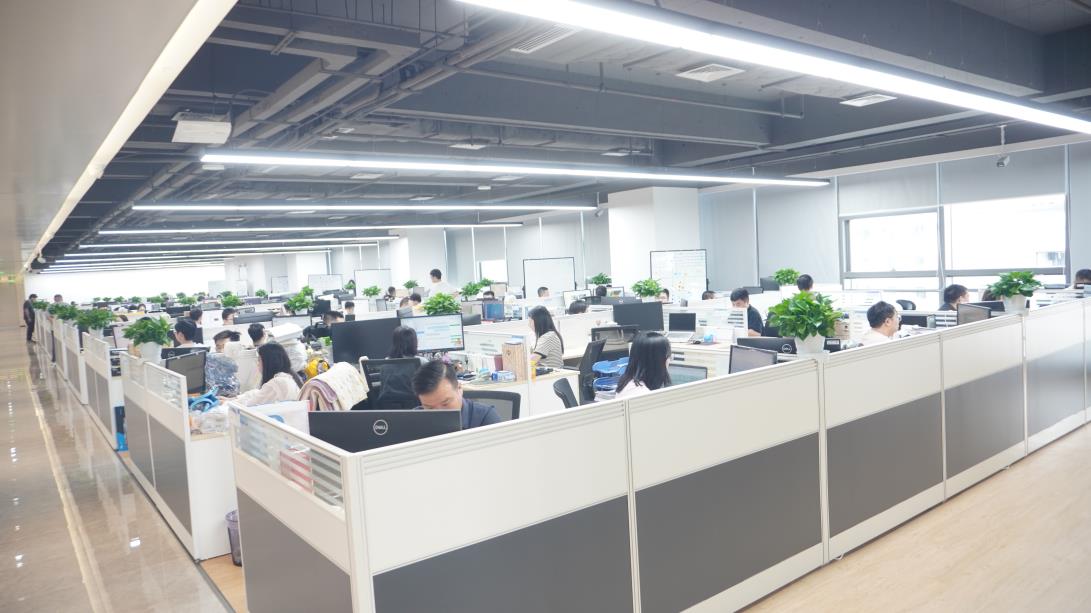
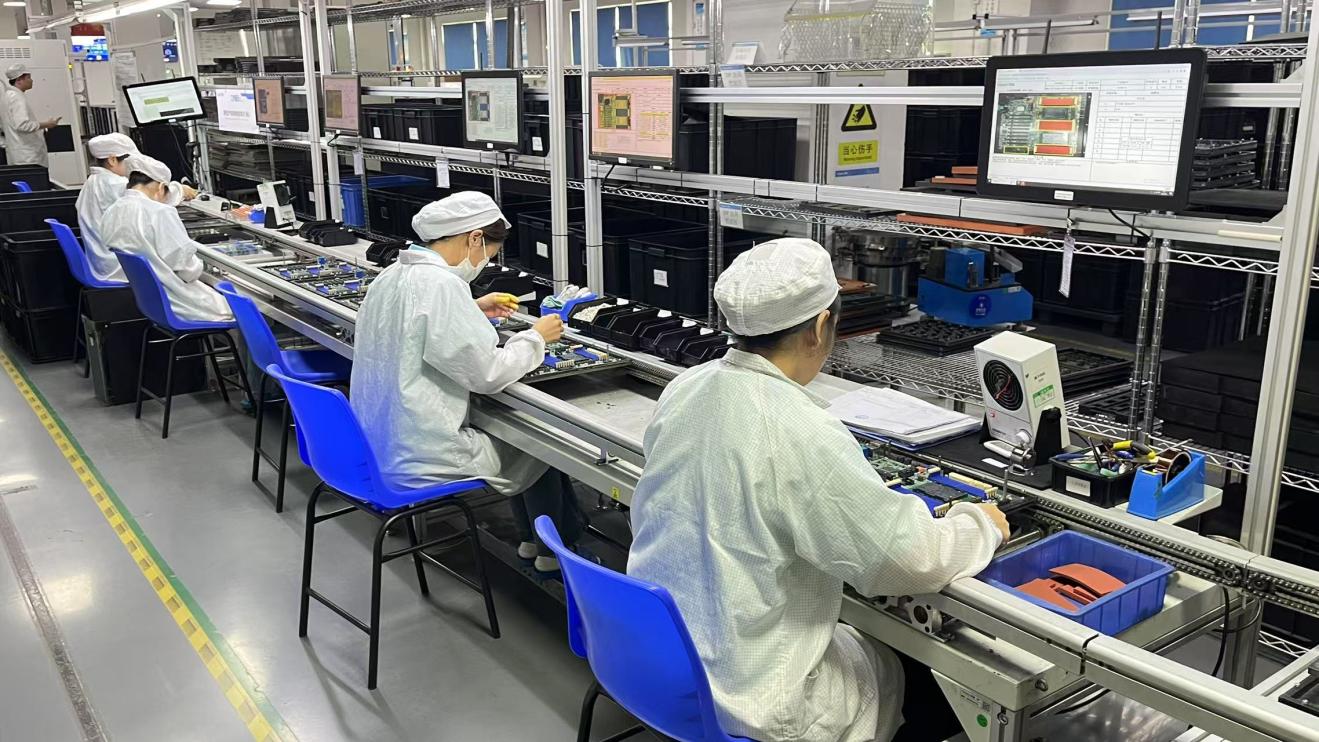

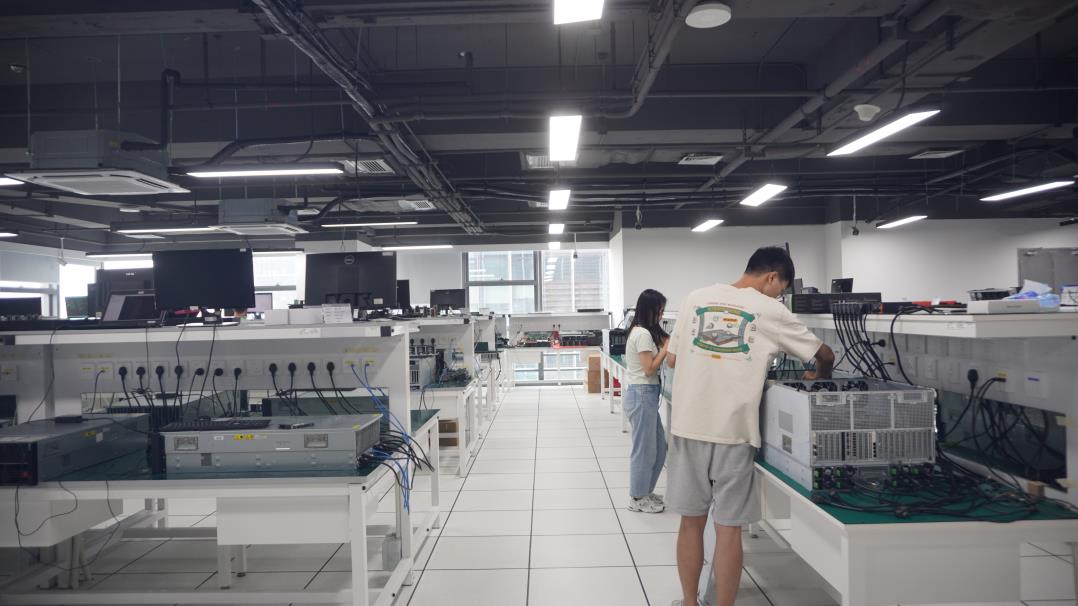
Staying ahead of architectural shifts to maximize long-term infrastructure investment value.
The next five years will see a profound architectural divergence in data center layouts. We are moving rapidly toward *disaggregated hardware architectures*, where compute, memory, and storage resource pools are separated and dynamically allocated over high-speed optical fabrics. Technologies like CXL (Compute Express Link) and NVMe-oF (NVMe over Fabrics) are driving this trend. This transition requires hardware designers to build modular systems where components can be upgraded independently as technologies evolve.
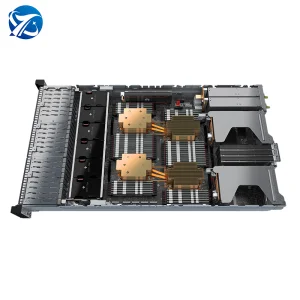
In addition, the focus on environmental sustainability is transforming physical server layouts. High-TDP (Thermal Design Power) processors and advanced GPUs generate heat loads that standard air-cooling systems struggle to handle efficiently. Designing for liquid-to-air or direct-to-chip liquid cooling loops is becoming a standard engineering requirement for OEM/ODM hardware providers. System chassis must be re-engineered with specialized internal spacing, complex tube routing, and quick-disconnect valves to ensure safe, leak-proof liquid cooling operation.
Configuring next-gen systems with Compute Express Link interfaces to share memory dynamically and minimize CPU-to-GPU mapping delays.
Transitioning servers from standard heat pipe configurations to direct-contact cold plates, designed to support components with high thermal loads.
Implementing hardware-level encryption and secure boot parameters directly on BIOS firmware to protect systems from malicious logic attacks.
A structured overview of how we maintain performance, verify components, and manage product upgrades.
Quality is at the core of everything we do. Every server undergoes strict incoming material inspection, assembly verification, burn-in testing, performance benchmarking, and final product inspection before shipment. Our quality control team consists of 46 experienced professionals dedicated to maintaining the highest standards throughout the manufacturing process.
Supported by more than 850 supply chain partners, Quantix serves a diverse customer base including AI startups, cloud service providers, system integrators, universities, research institutions, enterprises, and data center operators worldwide.
Innovation drives our growth. Our R&D department includes 78 engineers specializing in hardware architecture, thermal design, firmware optimization, and AI computing solutions. We offer comprehensive OEM and ODM services, enabling customers to customize server configurations, GPU platforms, chassis designs, branding, packaging, and deployment solutions according to their specific requirements.
Last year alone, Quantix successfully launched 126 new products and upgraded solutions, further strengthening our position in the rapidly evolving AI computing industry. As a trusted global partner, Quantix is committed to empowering businesses with cutting-edge GPU computing infrastructure, delivering exceptional performance, reliability, and value for the future of artificial intelligence and high-performance computing.
Clear answers to key procurement queries regarding customization, supply chain logistics, and component compatibility.
A: The average lead time depends on the complexity of the design. For standard configuration adjustments (such as changing RAM capacities, SSD types, or card layouts), prototyping takes between 5 to 10 working days. Complete chassis redesigns, custom power distribution boards, and thermal optimization configurations generally take 4 to 8 weeks from final concept validation to first-article inspection (FAI).
A: Our team of 78 R&D engineers conducts extensive pre-routing simulations and firmware validation tests. We verify compatibility across major hypervisors and operating systems (including VMware ESXi, RedHat Enterprise Linux, Ubuntu Server, and Windows Server). All custom expansion components—such as Emulex Fibre Channel HBAs, NVMe SSDs, and LSI RAID cards—are tested to ensure driver alignment and proper PCIe lane allocation.
A: Every assembled server undergoes a rigorous 48-to-72-hour burn-in phase in a dedicated thermal chamber. This includes stress-testing CPU cores, GPU modules, and storage nodes at 100% capacity in ambient temperatures up to 45°C. We monitor thermal sensors, power supply fluctuations, and memory error rates (ECC corrections) to eliminate infant mortality faults before export shipping.
A: Yes. As part of our ODM services, we write custom BIOS/UEFI configurations, set up custom boot logos, configure IPMI/BMC parameters for remote management, and pre-program secure network boot options (PXE) to simplify deployment at your target data centers.
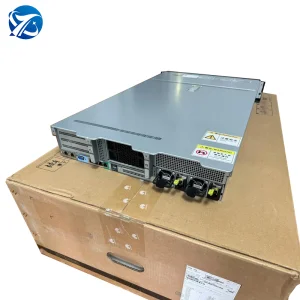
A: With over 9 years of export experience, we handle international shipping logistics and compliance for destinations worldwide. We ensure all customized compute nodes and components comply with regulatory standards (including CE, FCC, RoHS, and UL approvals) and provide secure, shock-absorbent packaging to prevent damage during transit.
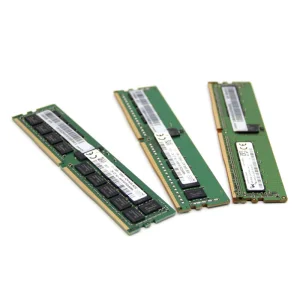
Optimize and scale your infrastructure with high-reliability RAM, high-performance servers, and customized GPU systems.