Quantix
Quantix
Quantix
Industrial-Grade Computing and Network Hardware Powering High-Throughput Firewall & Security Frameworks.
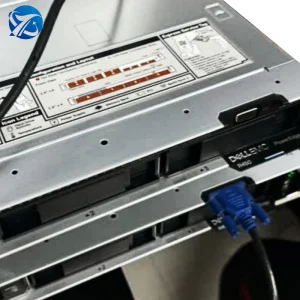
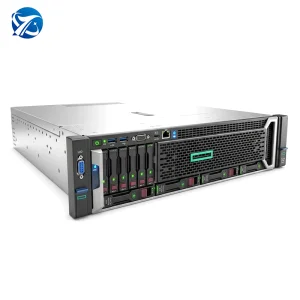
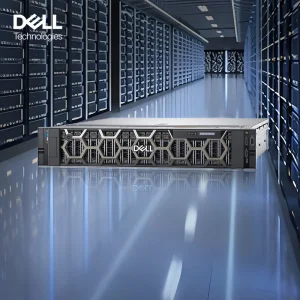
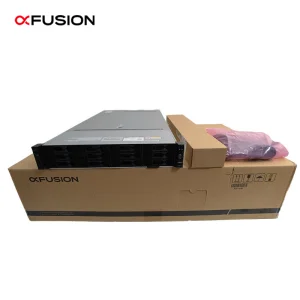
An in-depth analysis of processing bottlenecks, hardware acceleration, and the shift from ASIC to x86 and GPU-accelerated firewall appliances.
Modern enterprise networking demands unparalleled security, sub-millisecond latencies, and high deep-packet-inspection (DPI) throughput. The architectural shift from legacy dedicated ASICs (Application-Specific Integrated Circuits) to multi-core x86 network computing appliances has fundamentally changed the landscape of firewall deployment. This evolution is driven by the necessity of integrating artificial intelligence (AI), machine learning (ML), and zero-day threat prevention dynamically at the edge.
Hardware security gateways are no longer simple packet-filtering nodes. They operate as complex data centers in miniature. Today's hardware is designed to perform cryptographic offloading, SSL/TLS decryption (which accounts for up to 90% of web traffic), and sandboxing simultaneously. This requires enterprise-grade multi-core architectures, massive memory bandwidth, and modular interface cards (NICs) supporting 10G, 40G, and 100G interfaces.
As threats evolve, modern Next-Generation Firewalls (NGFW) require deep learning inference at the hardware level. Legacy ASICs struggle with non-deterministic neural networks. The transition to high-density CPU architectures, integrated with GPU accelerator chips, represents the true technological frontier. Manufacturers are focusing on flexible, custom OEM server designs to run proprietary virtualized network functions (VNFs) smoothly.
The technical roadmap of global firewall appliance manufacturers is aligned with the rise of Secure Access Service Edge (SASE) and decentralized computing. Hardware must be optimized to act as local edge portals while offloading heavier computations to cloud instances without introducing latency. Over the next five years, key hardware trends will center around:
Integration of dedicated hardware accelerators (e.g., Intel QuickAssist Technology - QAT) directly on the CPU motherboard to handle massive throughput during SSL/TLS decryption.
Incorporating compact, power-efficient GPU modules within the firewall chassis to inspect packets using deep learning algorithms in real-time, targeting zero-day threats.
Transitioning to hot-swappable PCIe Gen 5 interfaces supporting up to 400G network cards, enabling seamless bandwidth scaling for enterprises.
Furthermore, energy efficiency is becoming a critical metric. Data centers and major enterprises demand appliances designed with highly optimized thermal layouts, intelligent fan speed controllers, and titanium-rated redundant power supplies (PSUs). High-density compute platforms, like the customized solutions engineered by Quantix, are bridging the gap between computational raw power and environmental efficiency.
An objective analysis of the leading hardware vendors shaping the enterprise threat management sector.
Palo Alto Networks has pioneered the Next-Generation Firewall (NGFW) standard. Their PA-series hardware appliances utilize a unique single-pass software architecture implemented on custom hardware processors to run threat prevention, decryption, and application identification simultaneously without latency degradation. Their hardware scales from high-speed data center interfaces down to ruggedized branch office deployment setups.
Fortinet stands out by designing its proprietary custom ASICs (SPU/CPUs) rather than relying exclusively on general-purpose CPUs. This allows FortiGate appliances to achieve some of the highest Price-to-Performance ratios in the industry. Their hardware architecture excels at fast SSL decryption and high-throughput VPN tunnels, making them highly sought after by mid-market to massive enterprise systems.
Cisco's Secure Firewall (formerly Firepower) series features deep integration within Cisco's massive networking ecosystem. They provide exceptional threat defense capability via their Talos Intelligence engine. Their modern appliances are designed with heavy emphasis on network resilience, offering hot-swappable interface components and high-density clustering capabilities.
Check Point's Quantum series appliances are built with a primary focus on defense-grade threat prevention. Operating with multi-core processors, Check Point leverages hyper-threading and dedicated acceleration cards to scan traffic for advanced malware and zero-day threats through sandboxing without choking network performance.
Sophos XGS series firewall appliances feature a dual-processor architecture. By combining a multi-core x86 CPU with a dedicated Xstream Flow Processor (ASIC), Sophos offloads intensive tasks like packet forwarding, routing, and decryption to the hardware layer, freeing up the primary processor for deep packet security analysis.
SonicWall’s TZ and NSa series appliances provide cost-effective security solutions for distributed enterprises, retail environments, and branch offices. SonicWall utilizes multi-core hardware designs to deliver high-speed decryption and sandboxing capabilities through their proprietary Real-Time Deep Memory Inspection (RTDMI) technology.
WatchGuard’s Firebox appliances are engineered to act as comprehensive Unified Threat Management (UTM) boxes. Their hardware architecture is optimized to run multiple enterprise security services—including antivirus, IPS, URL filtering, and application control—simultaneously without creating latency bottlenecks.
Barracuda CloudGen Firewalls are designed to secure multi-cloud environments. The physical hardware appliances are engineered to connect seamlessly with cloud networks, providing WAN optimization, SD-WAN, and high-performance packet routing optimized for SaaS access points.
Sangfor NGAF is a pioneering Next-Generation Firewall utilizing AI-driven threat intelligence directly on the hardware node. Sangfor designs robust hardware appliances that integrate WAF, IPS, FW, and anti-malware into one interface. Their hardware features high-availability architectures suitable for mission-critical operations.
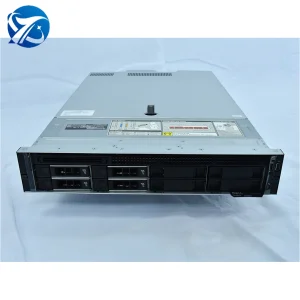
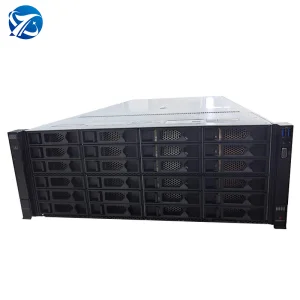
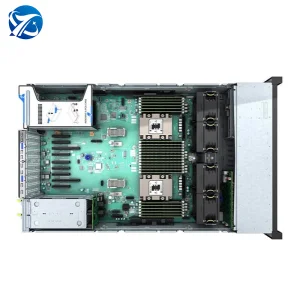
Founded in 2017, Quantix specializes in high-performance GPU servers, high-throughput network appliance platforms, and custom AI computing infrastructure. Operating as a critical hardware manufacturer, Quantix builds customized x86 network appliance platforms, rackmount bare-bones for firewalls, and AI-accelerated security hardware for leading global firewall vendors. Their OEM/ODM flexibility allows companies to deploy proprietary firewall OS setups on robust, verified server platforms.
How top-tier firewall appliances are structured for different industrial demands.
Requires ultra-high throughput (100G to 400G ports), hot-swappable power modules, and extremely low packet latency. Hardware must support virtualization (virtual firewalls running in sandboxed hypervisors) and hardware-based VXLAN offloading.
Requires ruggedized form factors, fanless cooling systems, din-rail mounting, and resistance to extreme temperature ranges (-40°C to 75°C). Must support specialized protocols like Modbus, DNP3, and IEC 61850 at the hardware inspection level.
Focuses on cost-effective, desktop form-factor appliances. Must feature integrated Wi-Fi modules, built-in LTE/5G failover slots, and simple Zero-Touch Deployment capabilities to allow non-technical staff to connect devices instantly.
Building trusted, certifiable, and safe network infrastructure across borders.
Exporting hardware firewalls globally requires navigating stringent regulatory compliance certifications. Security appliances must not only conform to standard electrical and safety regulations but also meet national cybersecurity criteria. When purchasing or customizing platforms from manufacturers, ensuring the following certifications is vital:
As a global OEM/ODM provider, Quantix offers localized hardware revisions. This includes tailored bios configurations, regional power connection arrays, and rapid compliance onboarding. By integrating local testing standards into our Factory 4.0 workflow, we guarantee seamless importing and local regulatory approvals.
A peek into our advanced production lines, quality gates, and supply logistics.
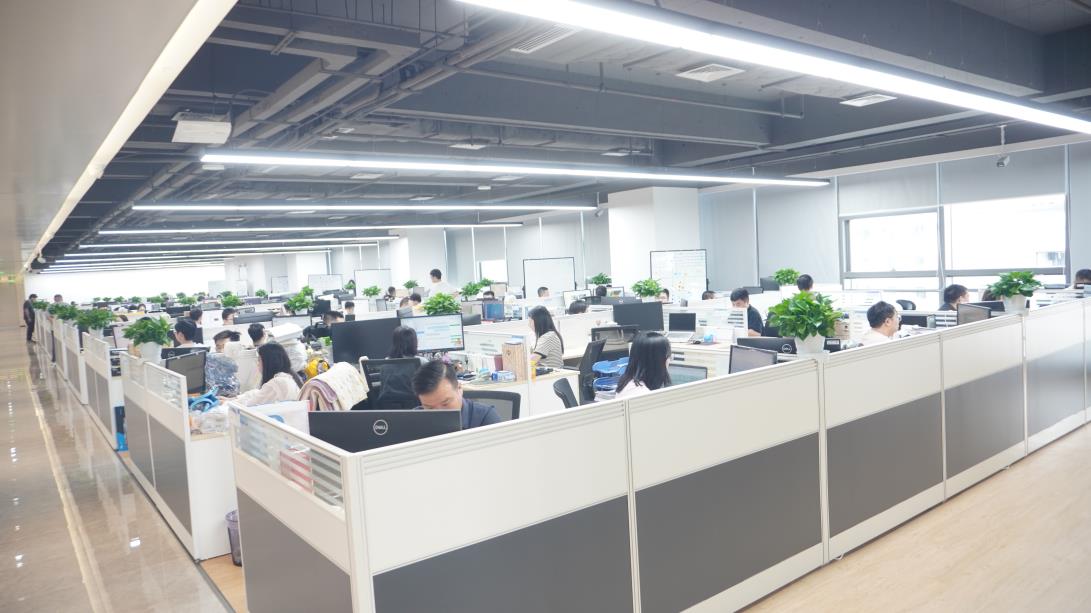
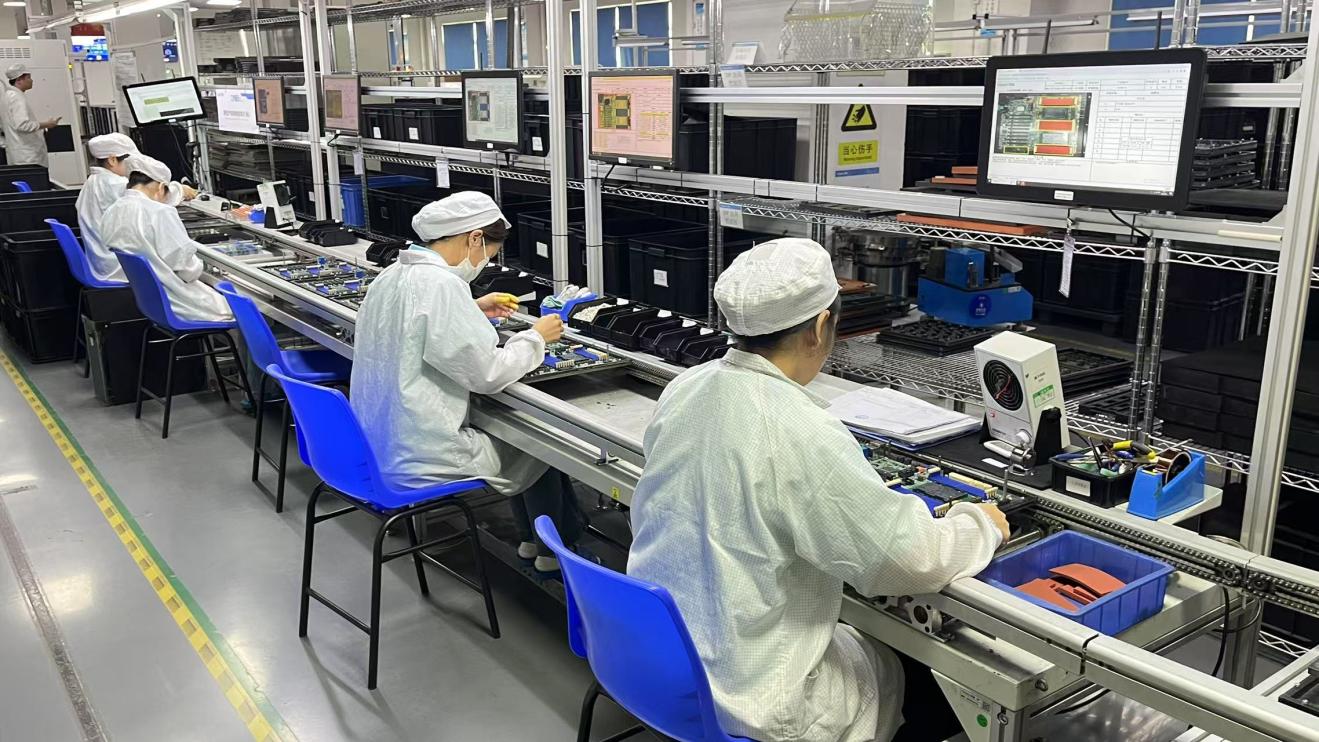
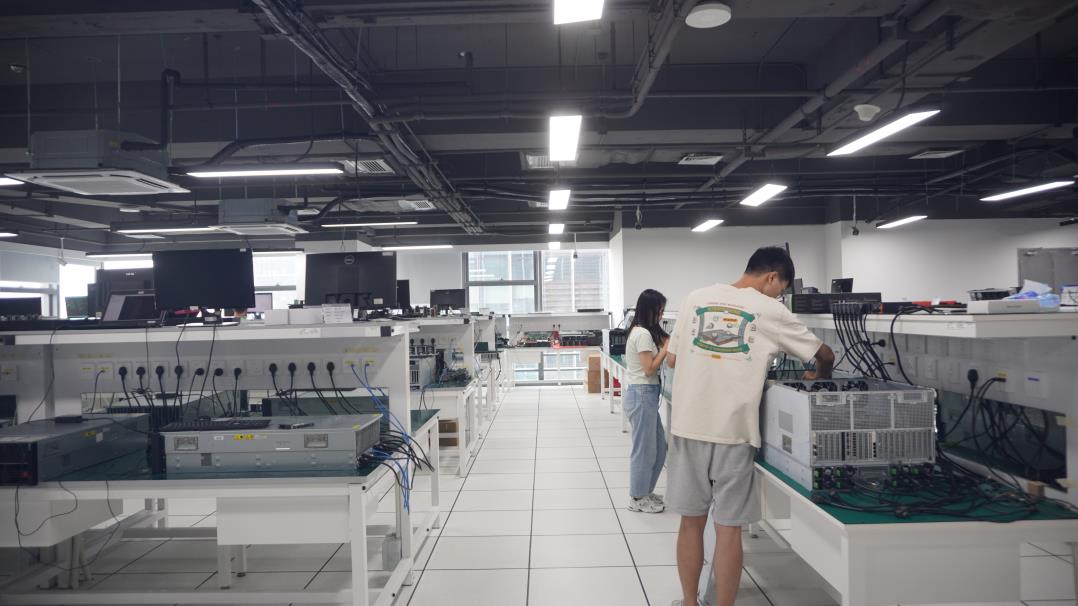
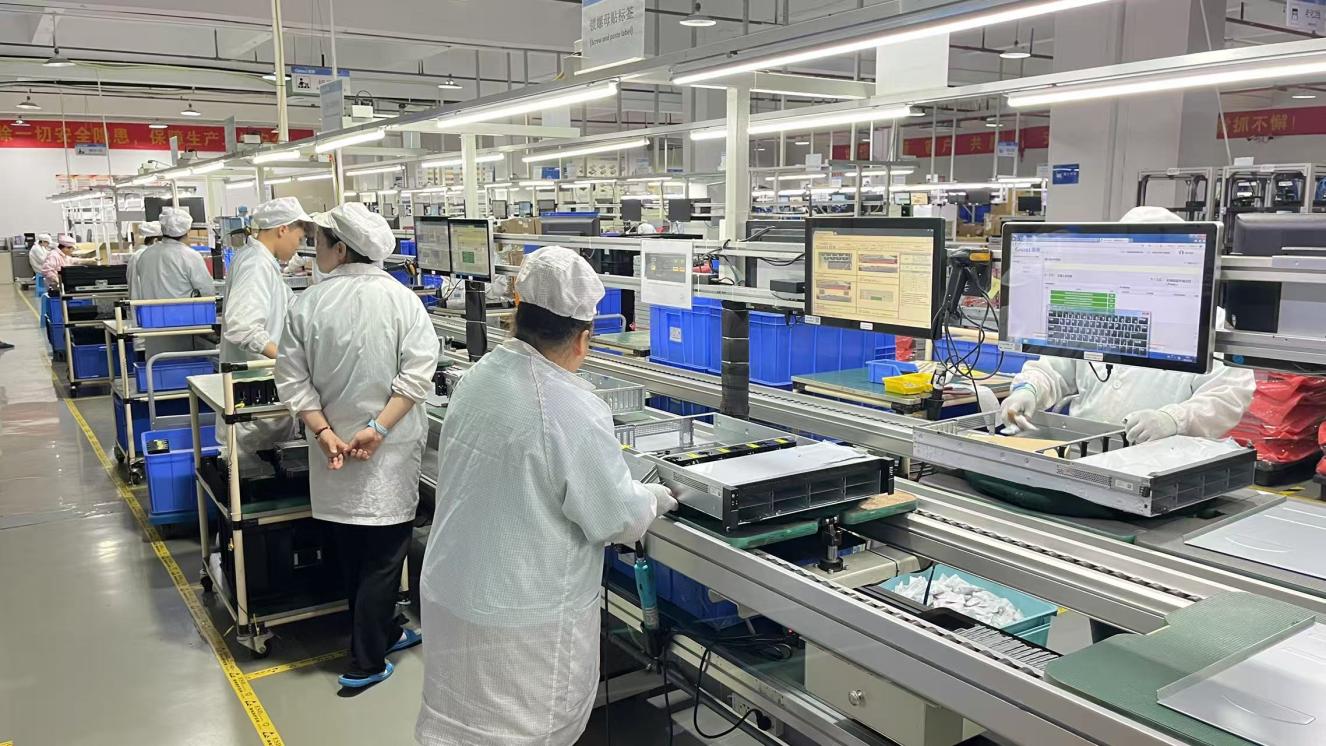
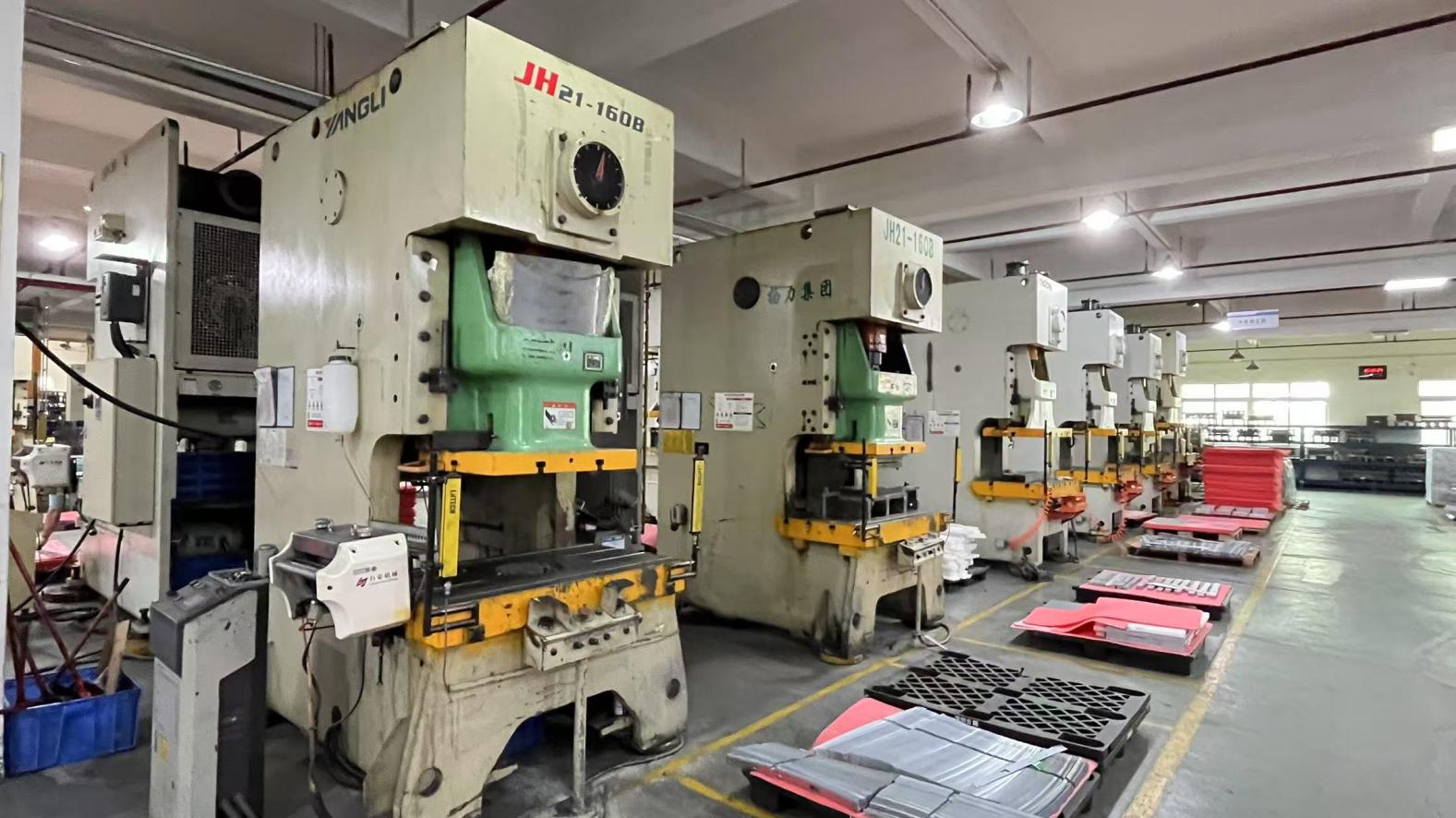
Quantix operates from a modern, precision-focused manufacturing facility covering 420 square meters in Shenzhen, China. By combining automated assembly lines with advanced hardware test benches, we achieve high efficiency and yield rates. With over 9 years of export experience and 14 years of industry expertise, we navigate global logistics, customs requirements, and secure packaging configurations seamlessly.
Quality is at the core of everything we do. Our rigorous Quality Assurance team consists of 46 experienced QC professionals dedicated to maintaining the highest performance standards. Our multi-layered testing workflow includes:
Every resistor, CPU socket, copper heatpipe, and PCB layer undergoes verification before entering the production floor. We source components only from verified global semiconductor hubs.
Assembled systems are placed in temperature-controlled chambers to undergo 24 to 72 hours of continuous high-load burn-in processing, exposing component infant mortality before shipping.
We execute hardware stress tests, network throughput packet-drop tests, and port integrity checks. Custom setups undergo custom software image loading and validation.
Backed by more than 850 supply chain partners, we maintain a robust reserve of components, preventing bottlenecks caused by chip shortages. This ecosystem enables us to rapidly customize configurations, chassis dimensions, bracket mounts, branding, and packaging to match client requirements.

Key parameters hardware architects and IT buyers must verify before placing bulk orders.
| Requirement Area | Critical Specifications | Why It Matters |
|---|---|---|
| Hardware CPU Acceleration | Intel QAT, AMD Cryptographic Coprocessor, multi-core architecture. | Prevents high CPU utilization spikes during deep SSL/TLS decryption cycles. |
| NIC Port Modularization | SFP+, QSFP28, RJ45 bypass ports, hot-swap network interface modules. | Allows scaling from copper 1G to fiber 10G/40G/100G without changing the appliance. |
| Power & Thermal Layout | Redundant 1+1 Platinum power supplies, hot-swappable fans, low TDP chips. | Reduces downtime risks and saves operational electricity expenditure (OPEX). |
| Custom Branding (OEM) | Custom bezel design, BIOS logo customization, customized operating system pre-loads. | Allows system integrators to sell a unified product ecosystem directly to end-users. |
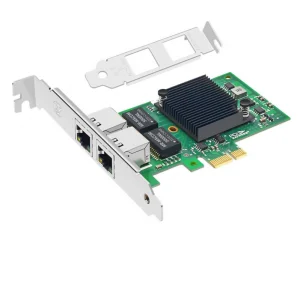
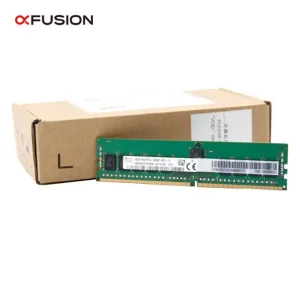
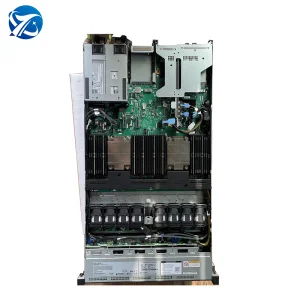
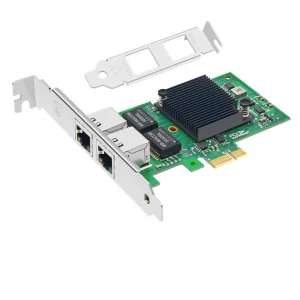
OEM accessories, computing modules, and expansion units to scale enterprise hardware capability.
Addressing the fundamental architectural and purchasing questions for network infrastructure planning.