Quantix
Quantix
Quantix
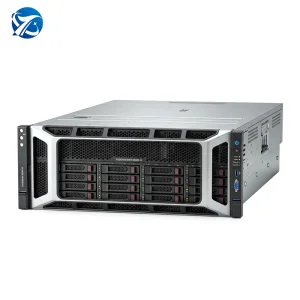
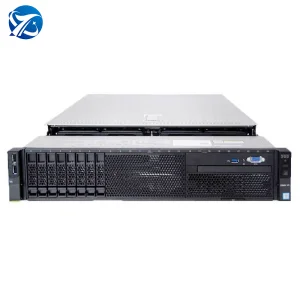
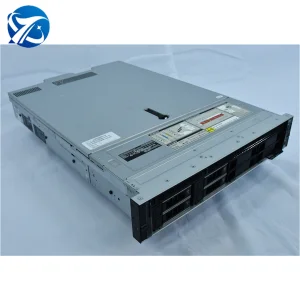
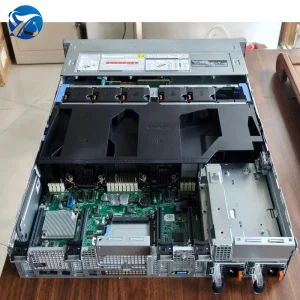
An in-depth analysis of high-density AI clusters, structural thermodynamics, and international sourcing standards for data center operators.
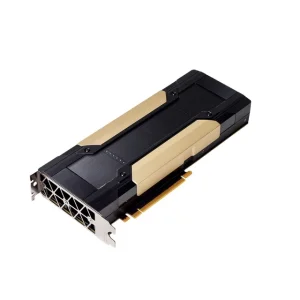
With the rapid proliferation of Large Language Models (LLMs), AI deep learning nodes, and massive high-performance computing (HPC) clusters, data centers are pushing silicon performance to its thermodynamic limits. Modern high-density graphics processing units (GPUs) and specialized accelerator platforms exceed thermal envelopes that traditional air-cooled solutions can safely regulate. High thermal resistance causes processors to throttle down dynamically to protect interior dies, directly degrading training execution rates.
Therefore, enterprise procurement groups have transitioned from simple ventilation configurations to highly integrated, multi-phase fluid cooling assemblies. Managing micro-channel cold plate designs, direct-to-chip interfaces, and optimized secondary fluid loops has shifted from a physical luxury to a mandatory architecture design paradigm.
“As chip-level thermal designs pass beyond 700W per TDP and entire multi-chassis cabinets scale above 100kW, cooling efficiency directly defines the compute density limit and operating overhead parameters of the next generation of data centers.”
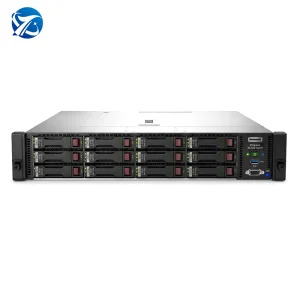
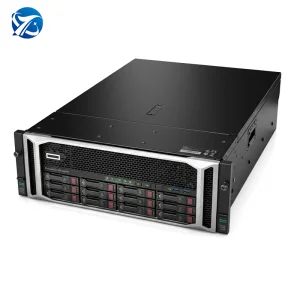
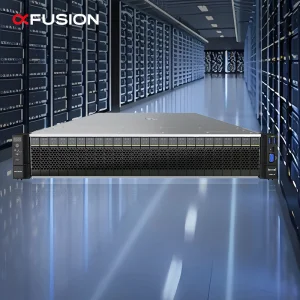
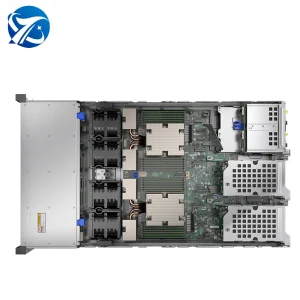
Liquid cooling technologies present a vastly superior heat absorption coefficient compared to conventional air. Water and specialized dielectric liquids possess significantly higher volumetric heat capacities. System integrators deploying high-density units like the HPE ProLiant Compute DL360 Gen12 with 20EDSFF Liquid Cooling must orchestrate complete liquid loops that run straight to the copper blocks covering the silicon dies. By bypassing air heat exchangers within the tight rack enclosures, developers minimize internal ambient temperature elevation and safeguard auxiliary components like RAM, local NVMe arrays, and power conversion units.
Key developments pushing global server thermal technology sourcing decisions:
For enterprise purchasing operations, evaluating structural system profiles defines long-term facility returns. The table below highlights key performance differences between traditional air cooling and modern liquid cooling solutions:
| Cooling Technology | Typical PUE Achievable | Max TDP per Rack Support | Capital Expenditure (CAPEX) | Operational Expenditure (OPEX) | Primary Sourcing Complexity |
|---|---|---|---|---|---|
| Traditional Force-Air Cooling | 1.35 - 1.80 | Up to 30 kW | Low Initial Cost | High Power Cost | High Airflow Management (Hot/Cold Aisles) |
| Direct-to-Chip (D2C) Liquid | 1.12 - 1.25 | 30 - 100 kW | Moderate to High | Significantly Lowered | Precision Quick-Disconnect Fitting Quality |
| Single-Phase Immersion | 1.03 - 1.10 | 100 kW+ | High Initial Setup | Ultra-Low Maintenance | Dielectric Fluid Chemistries & Seal Integrity |
A leading GPU server manufacturer and AI infrastructure solution provider delivering state-of-the-art server builds for high-performance clusters.
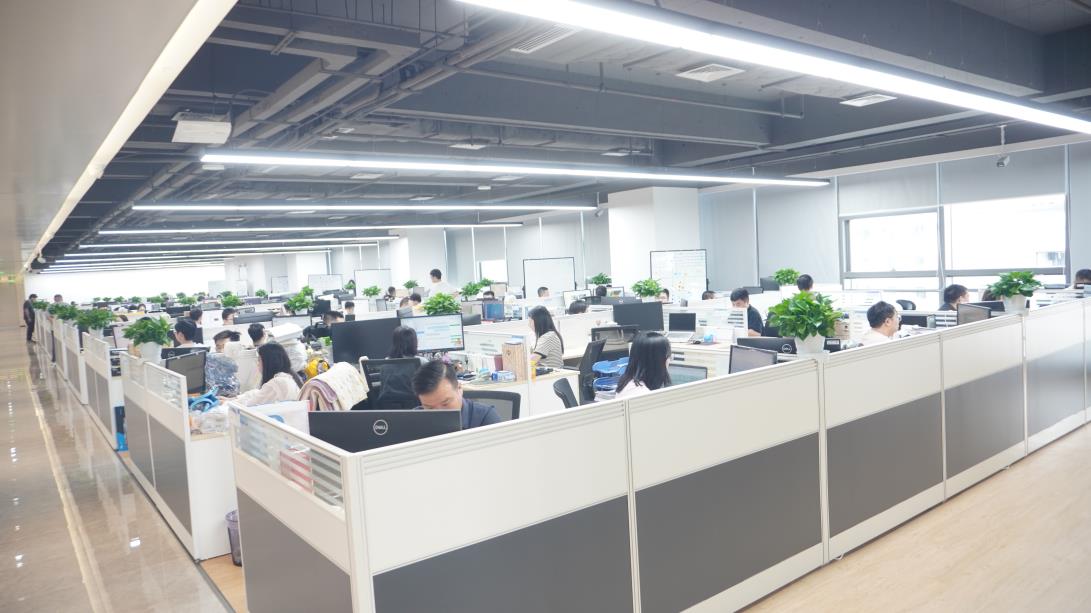
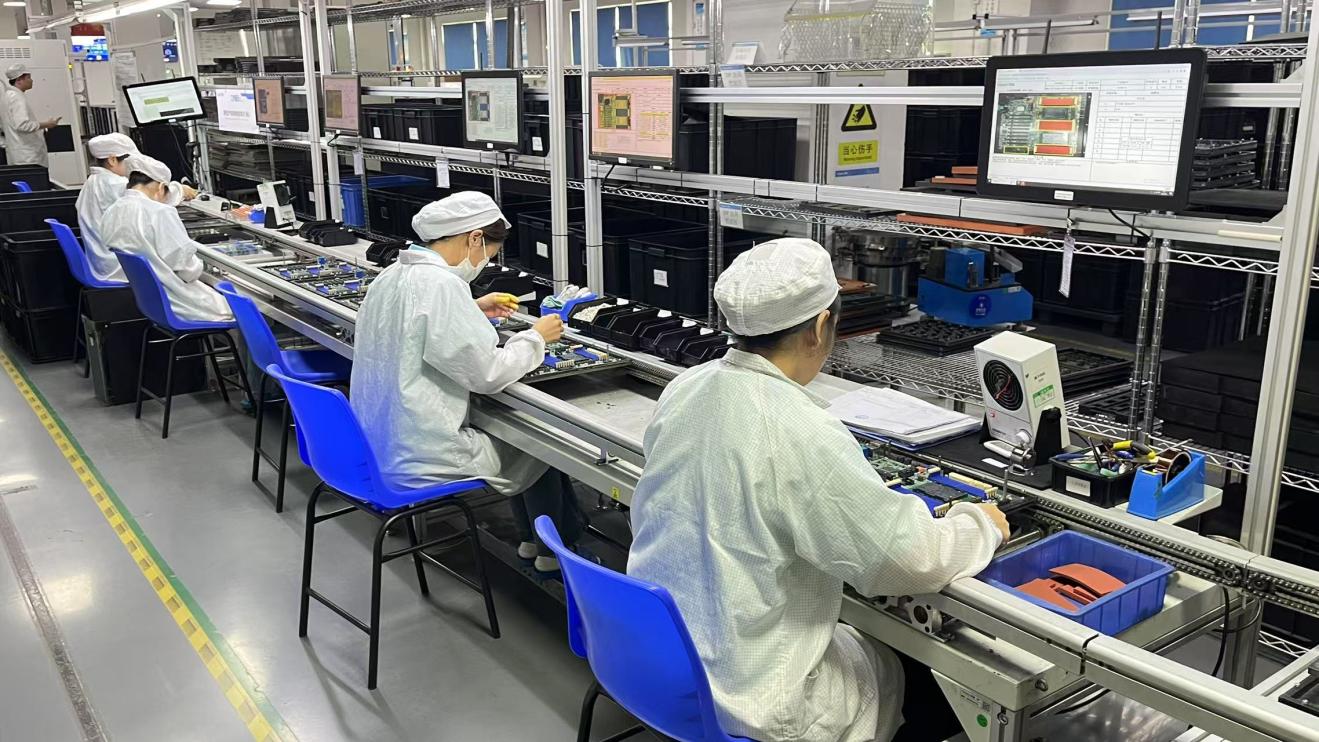
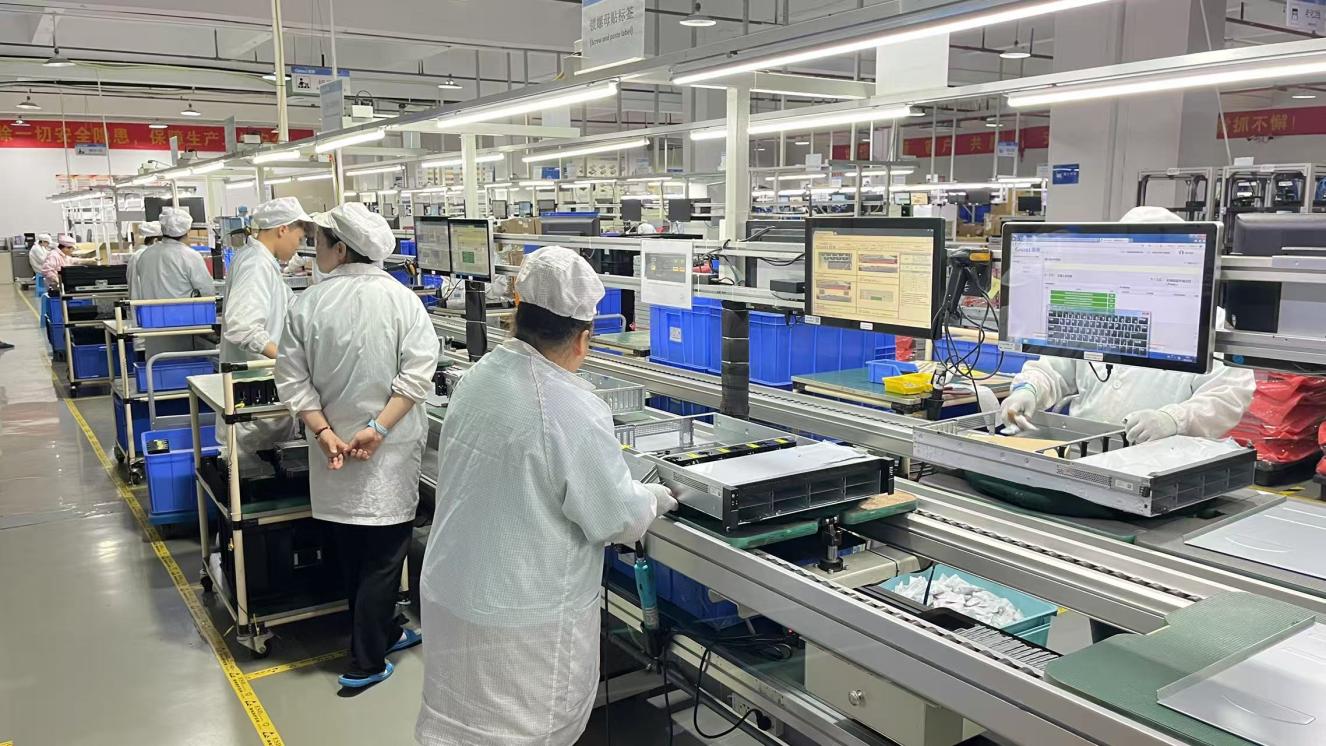
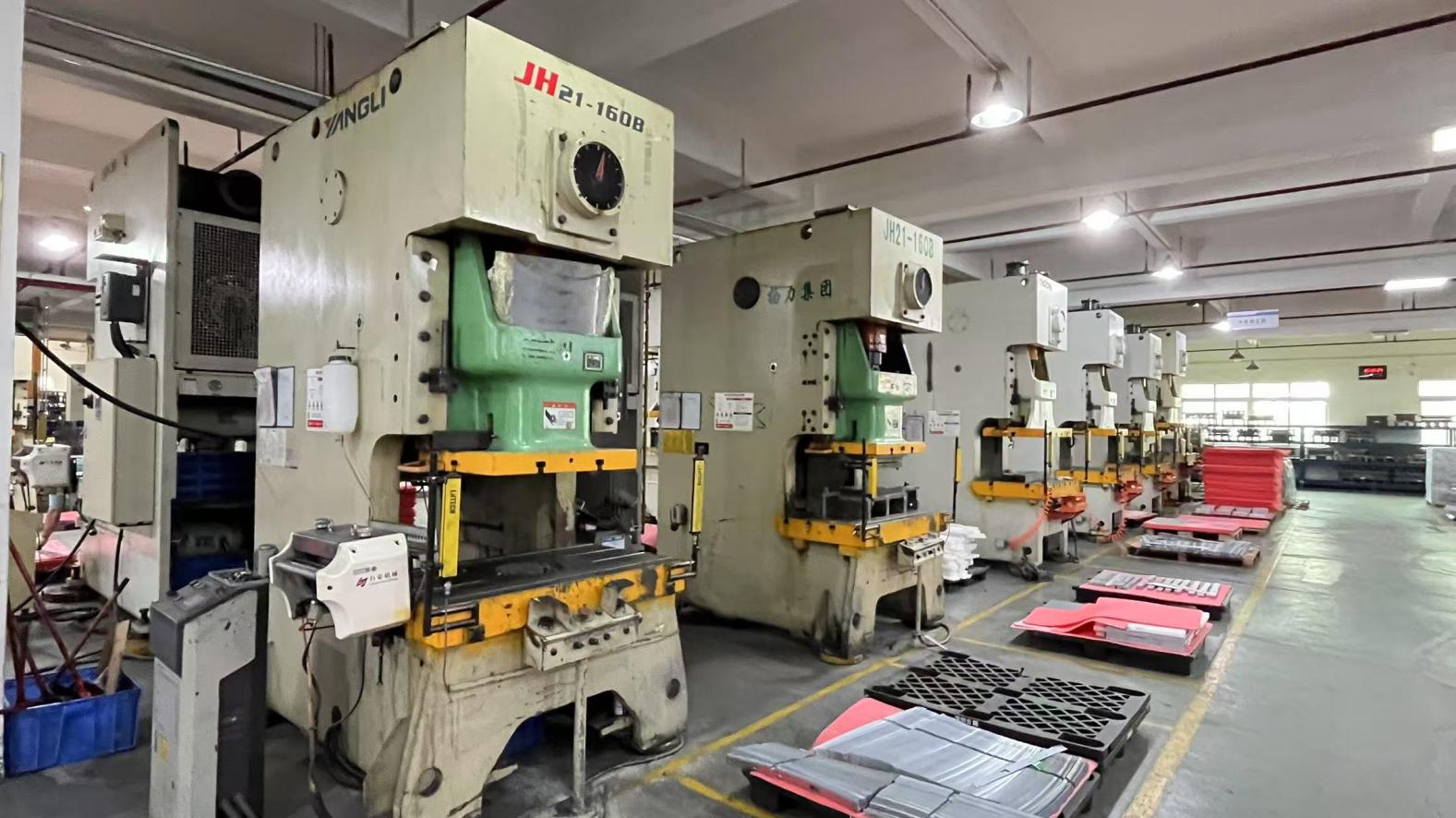
Founded in 2017, Quantix Intelligent Computing Co., Ltd. is a leading GPU server manufacturer and AI infrastructure solution provider based in China. We specialize in the design, development, and production of high-performance GPU servers, AI training systems, HPC clusters, and customized computing solutions for global customers. Operating from a modern manufacturing facility covering 420 square meters, Quantix combines advanced production capabilities with a strong R&D foundation to deliver reliable, scalable, and cost-effective computing hardware. Our products are widely used in artificial intelligence, machine learning, deep learning, cloud computing, big data analytics, scientific research, and enterprise data centers.
With over 9 years of export experience and 14 years of industry expertise, Quantix has established long-term partnerships with customers across North America, Europe, Southeast Asia, the Middle East, and Australia. Our annual export revenue exceeds USD 18 million, reflecting our commitment to quality, innovation, and customer satisfaction.
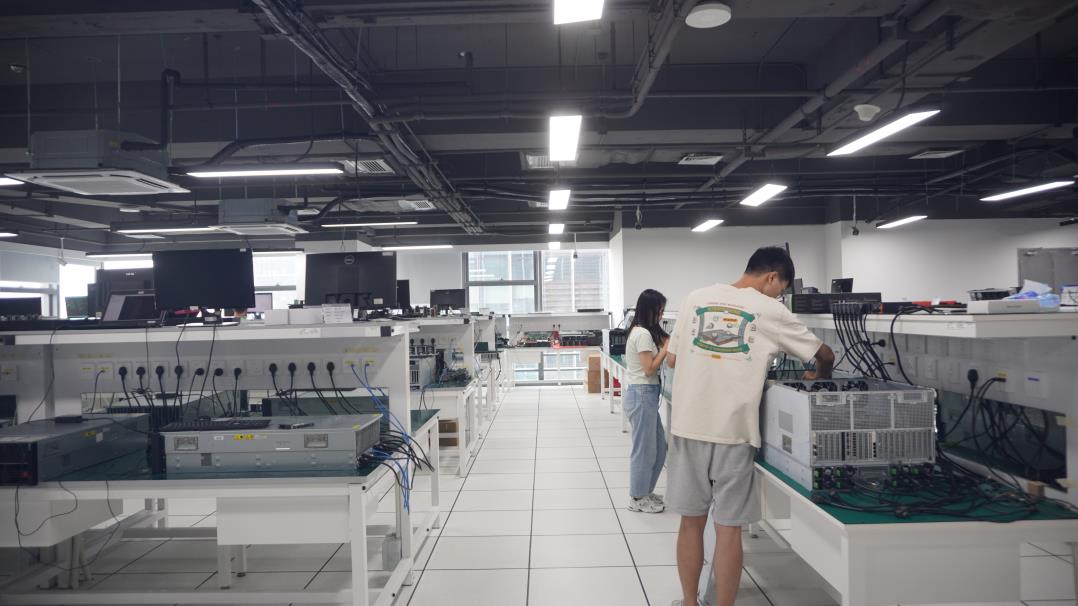
Quality is at the core of everything we do. Every server undergoes strict incoming material inspection, assembly verification, burn-in testing, performance benchmarking, and final product inspection before shipment. Our quality control team consists of 46 experienced professionals dedicated to maintaining the highest standards throughout the manufacturing process. Supported by more than 850 supply chain partners, Quantix serves a diverse customer base including AI startups, cloud service providers, system integrators, universities, research institutions, enterprises, and data center operators worldwide.
Innovation drives our growth. Our R&D department includes 78 engineers specializing in hardware architecture, thermal design, firmware optimization, and AI computing solutions. We offer comprehensive OEM and ODM services, enabling customers to customize server configurations, GPU platforms, chassis designs, branding, packaging, and deployment solutions according to their specific requirements. Last year alone, Quantix successfully launched 126 new products and upgraded solutions, further strengthening our position in the rapidly evolving AI computing industry.

Organizations sourcing high-capacity hardware arrays have to balance hardware procurement with specific structural dependencies. Sourcing servers from overseas markets requires clear alignment on power delivery, cabinet dimensions, structural weight limits, and thermodynamic interfaces. A failure to map local grid configurations to incoming machine specifications often yields suboptimal Power Usage Effectiveness (PUE) metrics and high failure rates.
The roadmap toward sustainable infrastructure: from hybrid air-liquid setups to dynamic cooling loops optimized by artificial intelligence.
Deploying active and passive rear-door heat exchangers to retrofit existing standard air-cooled data center racks. This allows facilities to support power densities of up to 45 kW per rack without major infrastructure modifications.
Universal adoption of micro-channel cold plate designs directly mounted on accelerators. Cooling loops handle 80% of silicon heat loads directly through high-capacity fluid flows, reducing the dependencies on CRAC/CRAH air handling equipment.
Complete isolation of computing systems in specialized fluid baths. Heat boils the fluid, changing state to gas before condensing on a cool lid. This path reaches a thermodynamic PUE limit of ~1.02.
Navigating international supply chains for high-capacity IT hardware requires complete adherence to safety and environmental standards. Sourced equipment must conform to strict testing criteria to avoid project delays, insurance exclusions, or legal liability.
Electrical & Thermal Safety Certifications: Sourcing organizations require proof of CE (Conformité Européenne), UL (Underwriters Laboratories), and FCC (Federal Communications Commission) listings. These certificates prove that the electrical configurations, grounding pathways, and thermal containment loops prevent structural fires and system-wide short circuits.
Environmental and Material Safety: Adherence to RoHS (Restriction of Hazardous Substances) and REACH frameworks is mandatory. Liquid systems must use materials that prevent the migration of plasticizers and chemicals into wastewater networks. Manufacturers like Quantix prioritize these material checks through systematic incoming component screening.
Quality Assurance Systems: Advanced factory validation processes require long-term burn-in testing under load. This simulates data center load conditions before shipping to uncover early component failures in internal components, power supply lines, or thermal interfaces.
Answers to common questions from global infrastructure buyers, sourcing managers, and datacenter architects.
Depending on configuration, retrofitting standard facilities with Direct-to-Chip (D2C) liquid cooling reduces local Power Usage Effectiveness (PUE) from a global average of 1.6 down to 1.15. Full immersion designs can push PUE down to 1.02, depending on seasonal ambient wet-bulb parameters.
Leak mitigation relies on three layers: premium quick-disconnect couplings that seal shut when disconnected, automated pressure drop detectors within the coolant loop, and internal sensor cables that track moisture levels at the bottom of the rack.
Retrofitting standard servers for immersion cooling requires removing active cooling fans, checking component-level adhesives, thermal grease compatibility, and replacing standard thermal interface materials (TIMs) with specialized compounds that do not dissolve in dielectric fluids.
Quantix operates as a comprehensive OEM/ODM integrator. We configure and design server layouts, including tailored chassis designs, custom thermal testing, and optimal liquid/air integration, ensuring servers are pre-aligned with your target data center cooling scheme.