Quantix
Quantix
Quantix
Explore high-density computing components, enterprise rackmount servers, and advanced SAS/SATA RAID cabling structures engineered for extreme reliability.
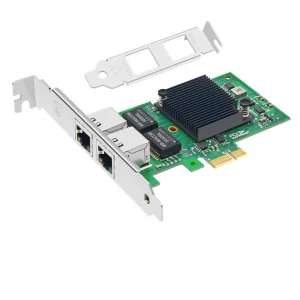
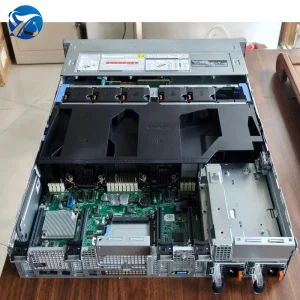
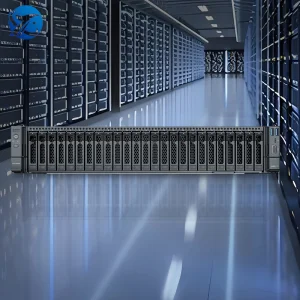
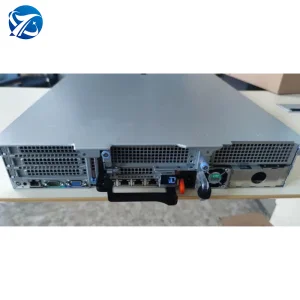
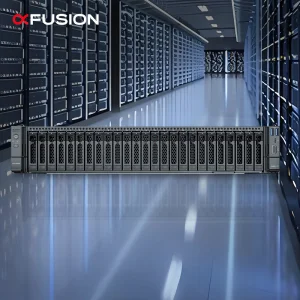
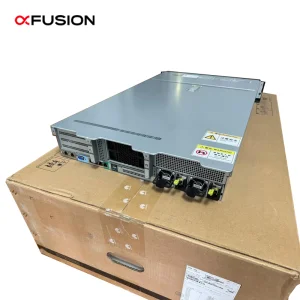
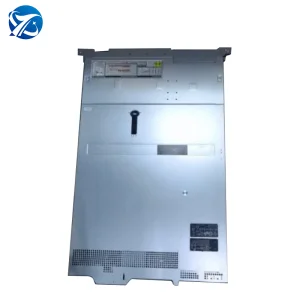
In the era of hyper-scale computing, artificial intelligence (AI), and big data analytics, the physical layer of network infrastructure has transitioned from a utility afterthought to a critical determiner of system performance. High-performance network cabling acts as the central nervous system of modern enterprise architectures. Whether interconnecting multi-node GPU training systems, feeding high-throughput NVMe SSD storage arrays, or managing server node communications, signal loss and latency at the cabling tier can bottleneck the most advanced computational architectures.
As data centers scale to support high-density configurations, internal routing demands have shifted. Traditional copper systems are evolving alongside advanced fiber-optic technologies and low-latency internal cable assemblies. For instance, internal bus structures like SAS/SATA RAID cabling (e.g., SAS3908 or SAS3808iMR host bus interfaces) must support high signal integrity up to 12Gb/s and beyond. Simultaneously, external infrastructure relies heavily on Category 6A (Cat6A), Category 7 (Cat7), Category 8 (Cat8), and Direct Attach Copper (DAC) cables to support up to 400G and 800G optical networking pipelines. Without precision-engineered cabling systems, data packets suffer from high insertion loss, cross-talk, and electromagnetic interference (EMI), leading to costly packet retransmissions and increased latency.
China has solidified its position as the global hub for network cabling manufacturing, producing a vast majority of the world's structured cabling, fiber-optic assemblies, and specialized internal server connectors. This dominance is not simply a product of labor cost advantages, but rather the result of deep vertical supply chain integration, massive capital investment in automated extrusion machinery, and unparalleled geographic clustering of component manufacturers.
China's manufacturing ecosystems allow factories to source raw copper, specialized plastics (such as Low Smoke Zero Halogen - LSZH jackets), shielding foils, and precision connectors with minimal lead times. This proximity optimizes the Bill of Materials (BOM) cost and allows rapid prototyping of custom wire harnesses, specialized server internal cables, and bespoke high-speed optical transceivers. By deploying automated optical inspection (AOI) and advanced network analyzers directly onto the assembly lines, top-tier Chinese manufacturers achieve high yield rates while adhering strictly to international standards like ISO/IEC 11801, TIA-568, and RoHS compliance.
Founded in 2017, Quantix Intelligent Computing Co., Ltd. has established itself as a premier GPU server manufacturer and AI infrastructure solution provider. Our operational capability relies heavily on a deep, systemic understanding of the physical connections within high-density server nodes. With over 14 years of industry expertise and 9 years of export experience, we understand that high-speed computing is only as strong as its weakest link.
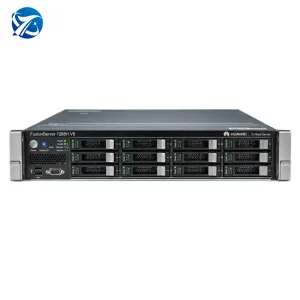
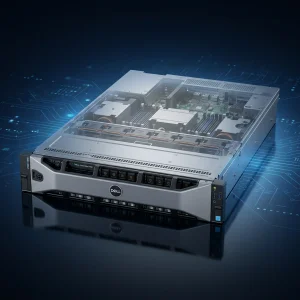
Operating from our specialized integration and testing facility, we manage complex internal cable layouts, design high-density SAS/SATA backplanes, and optimize RAID cable paths. Every GPU cluster, multi-socket xFusion server, or Dell PowerEdge custom rackmount deployment relies on high-speed cables to minimize transmission jitter. Quantix bridges the gap between raw computing power and physical-layer connection reliability, generating over USD 18 million in annual export revenue across North America, Europe, Southeast Asia, the Middle East, and Australia.
Our quality assurance workflow illustrates our commitment to E-E-A-T (Experience, Expertise, Authoritativeness, and Trustworthiness). Our quality control team consists of 46 professionals who oversee incoming material inspections (IQC), assembly verification, high-temperature burn-in tests, and signal benchmarking. Armed with an R&D department containing 78 specialized engineers, Quantix is uniquely qualified to offer full OEM/ODM customization services, configuring high-frequency RAID cables, optimal internal PCIe lanes, and server chassis layouts that align with our clients' performance goals.
Procurement specialists and network architects must distinguish between external structured network cabling and internal high-speed server connectivity cables. Both types serve different parameters within the data transmission pipeline. Below is a breakdown of their primary differences:
| Cabling Type | Common Standard / Protocol | Typical Max Data Rate | Primary Physical Application | Key Performance Metrics |
|---|---|---|---|---|
| Structured Network Cabling | Cat6A, Cat7, Cat8, Single/Multi-mode Fiber | 10 Gbps to 400 Gbps | Inter-switch connection, patch panels, horizontal distribution | Attenuation, NEXT, Return Loss, PS-NEXT |
| Direct Attach Copper (DAC) | SFP28, QSFP56, QSFP-DD, OSFP | 25 Gbps to 800 Gbps | Short-reach top-of-rack (ToR) switch to server links | Insertion Loss, Bit Error Rate (BER), Bend Radius |
| Internal RAID Cabling | SAS 3.0 / 4.0, PCIe Gen4 / Gen5 (SlimSAS, MCIO) | 12 Gbps to 32 GT/s per lane | HBA/RAID controllers to backplane storage arrays | Skew, Crosstalk, impedance matching (85Ω or 100Ω) |
| Active Optical Cables (AOC) | QSFP-DD, SFP56-DD | Up to 400 Gbps | Mid-reach switch-to-switch data distribution | Power consumption, transceiver heat dissipation |
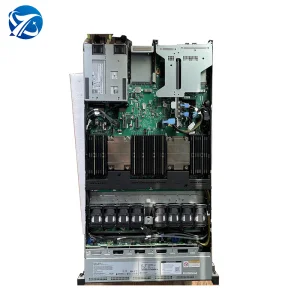
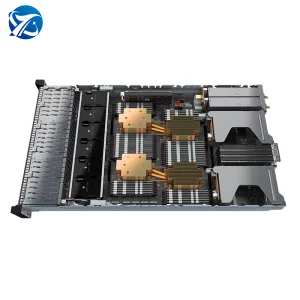
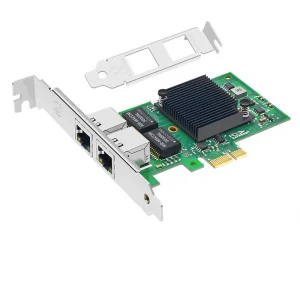
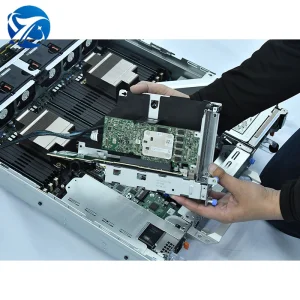
For internal architectures, high-performance SAS/SATA RAID cabling cards (such as the XC470C-M-8i with SAS3908 chips or the XC170-M-8i with SAS3808iMR) require high shielding levels to prevent EMI within crowded 2U or 4U rackmount server chassis. These systems run alongside high-draw GPU components and active cooling fans, meaning physical cables must feature high thermal endurance and flexible layouts to preserve internal airflow.
Procuring cabling and server infrastructure from China requires an understanding of localized industrial clusters. Major manufacturing zones like Shenzhen (Guangdong province) and Ningbo (Zhejiang province) specialize in different aspects of production. Shenzhen centers on high-tech active fiber components, high-density PCBs, internal server cables, and integrated GPU servers. Ningbo and surrounding regions focus on passive structured cabling components, RJ45 jacks, patch panels, bulk copper reels, and outdoor fiber runs.
Understanding these geographical dynamics allows procurement managers to optimize their logistics. Buying passive bulk copper from one supplier and active transceivers from another can consolidate shipping routes, lower import duties, and verify compatibility prior to final onsite deployment.
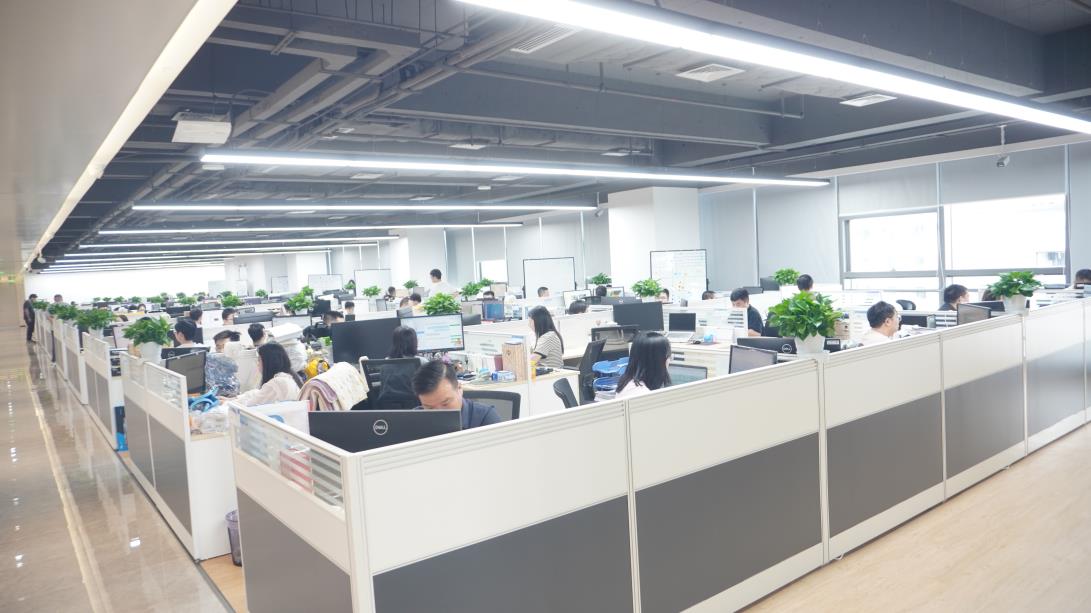
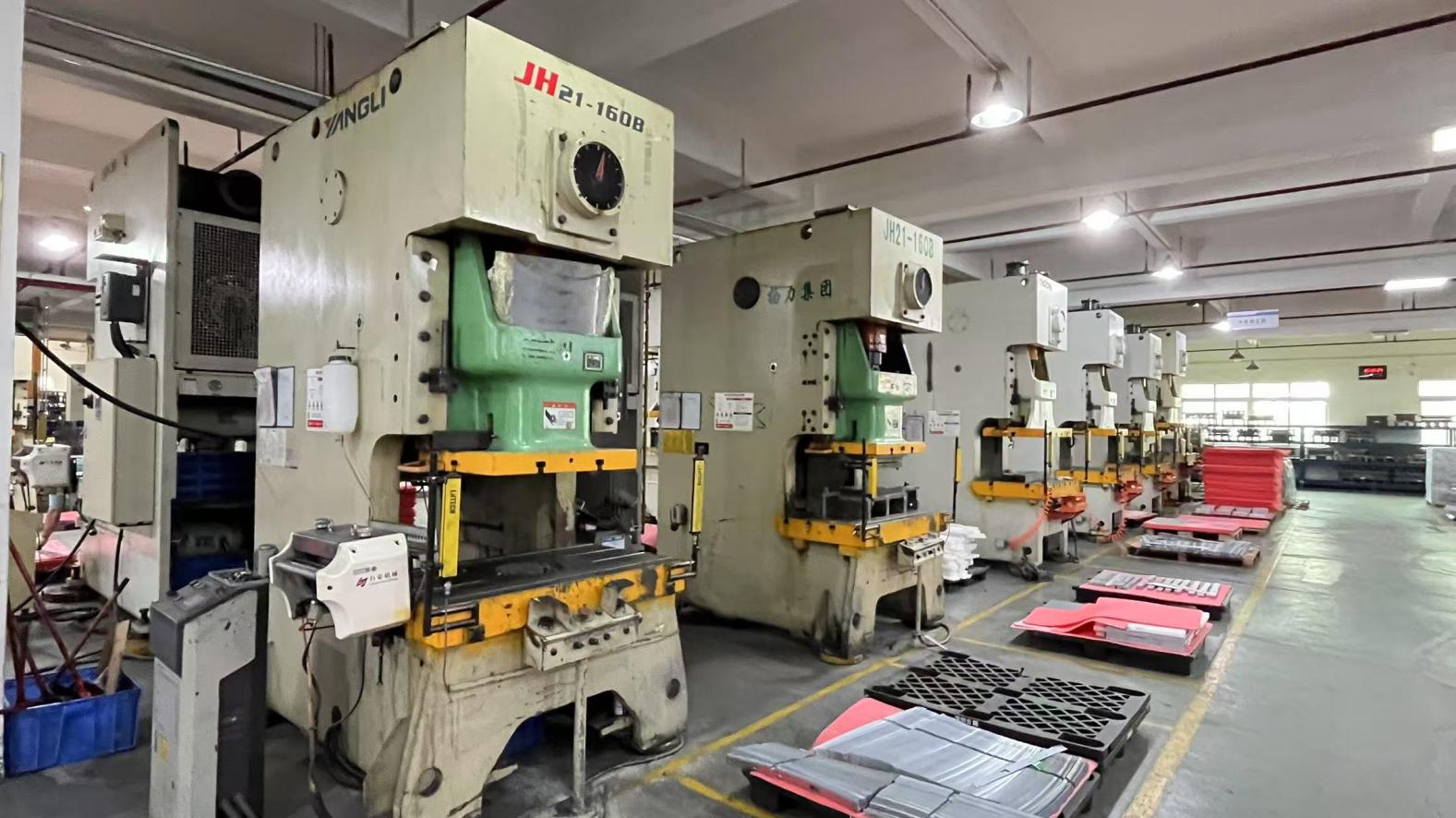
A transparent look inside our state-of-the-art production floors, quality control laboratories, and integration centers.
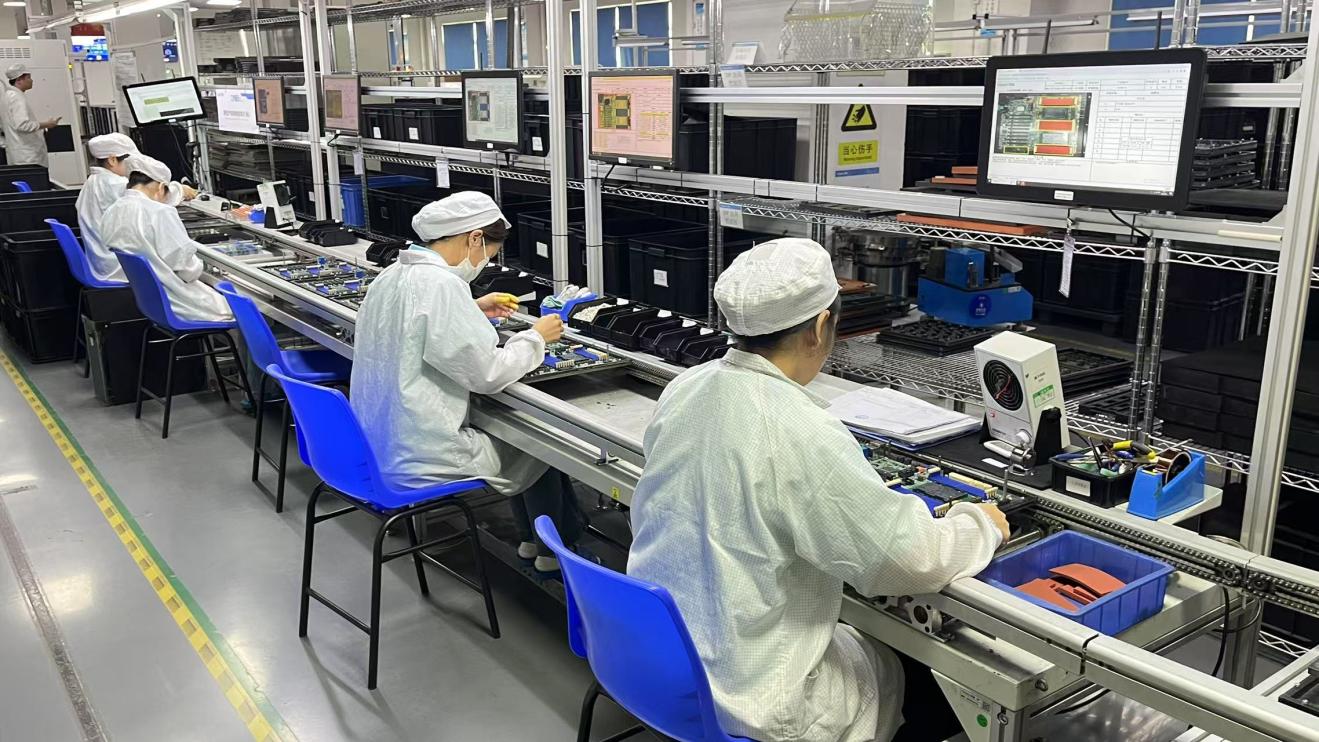
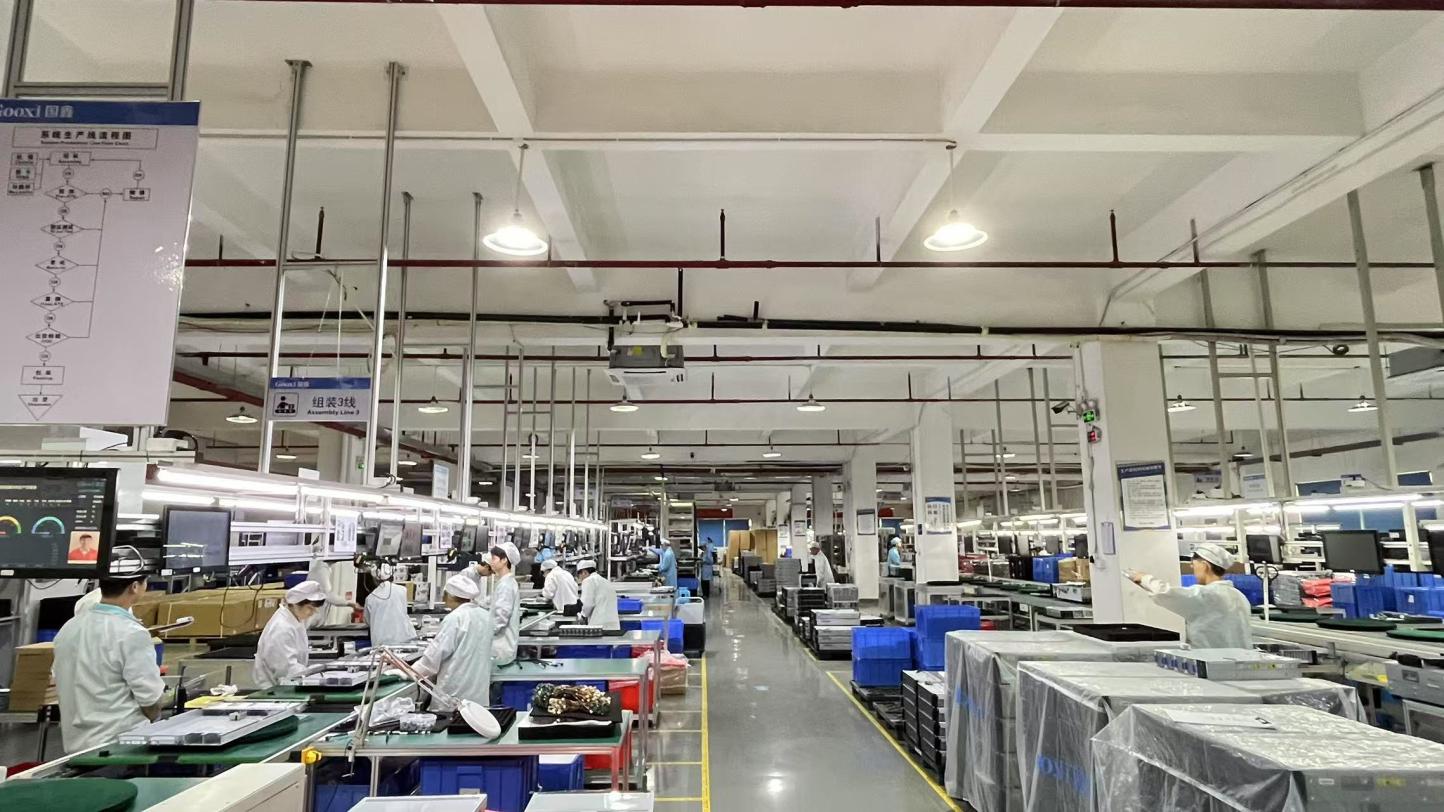
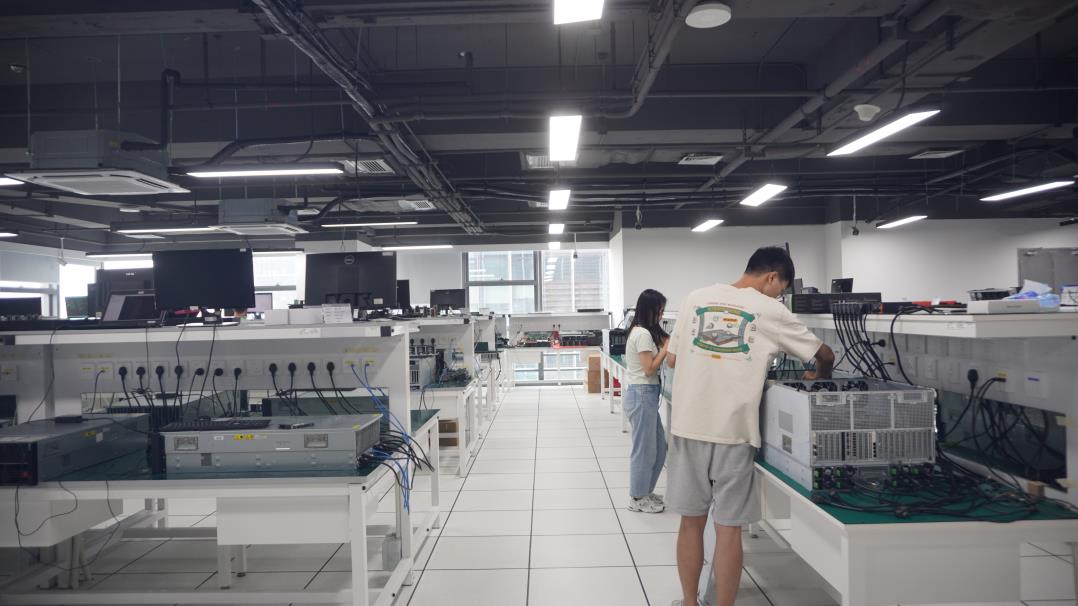
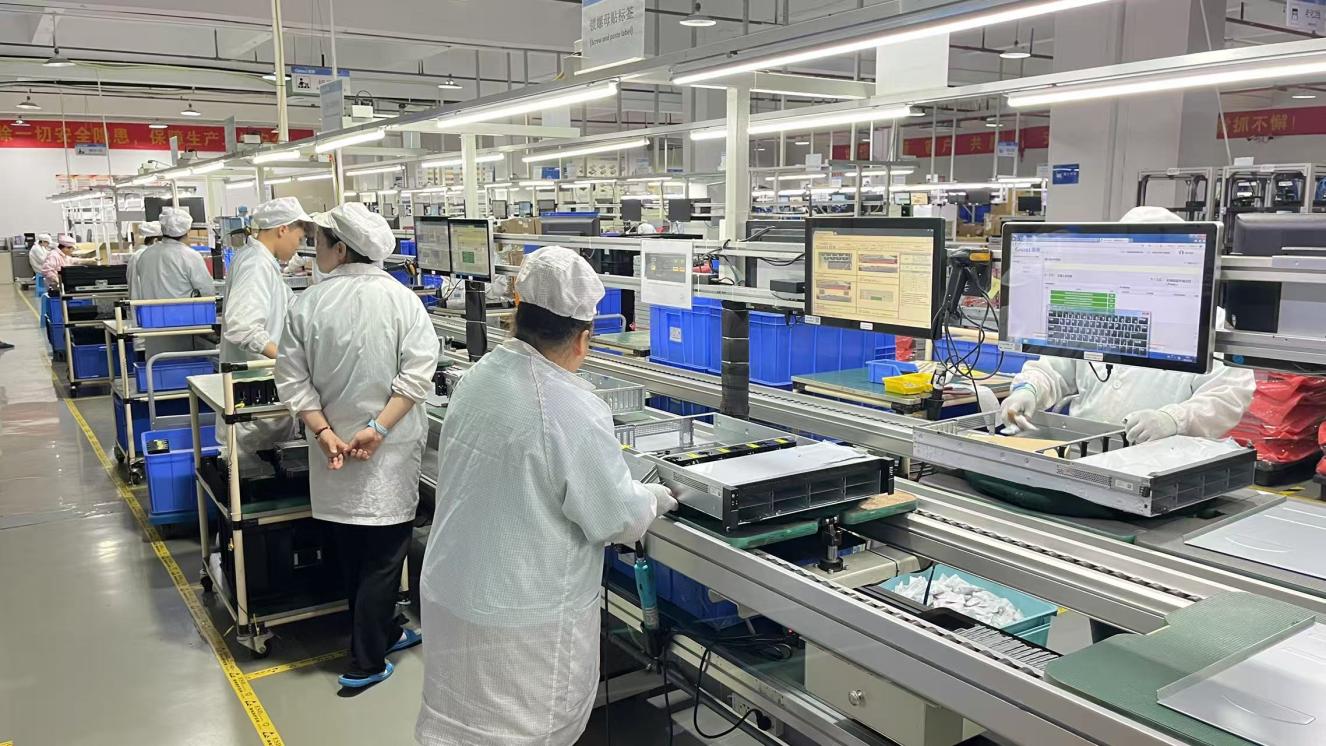
As artificial intelligence models scale exponentially, standard pluggable copper transceivers are encountering thermal and density limits. The network cabling sector is pivoting to address these demands. The key development area centers on Co-Packaged Optics (CPO). This architecture integrates optical engines directly onto the same substrate as the silicon switch or compute ASIC, reducing the copper trace path to millimeters and lowering signal latency.
Simultaneously, the industry is transitioning to 800G and 1.6T Ethernet standards. Achieving these throughput speeds requires complex PAM4 modulation schemes and high-purity single-mode fiber patch cables. Concurrently, internal server storage utilizes PCIe Gen5 and Gen6 architectures, demanding high-frequency internal copper solutions like SlimSAS (SFF-8654) and MCIO (Mini Cool Edge IO) configurations. Keeping pace with these physical layer developments is essential for scaling enterprise, cloud, and edge data architectures.
Common questions from procurement and network infrastructure teams planning high-density server configurations.
Complete your infrastructure with high-performance 1U/2U server nodes, solid-state storage, and integrated array adapters.