Quantix
Quantix
Quantix
Explore high-availability servers, hardware RAID storage systems, and computational nodes optimized for high-concurrency SIP routing, media gateway processing, and IP-PBX virtualization.

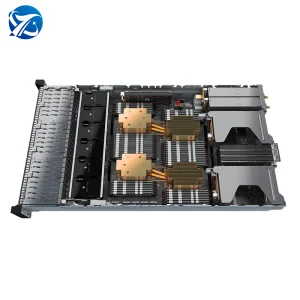
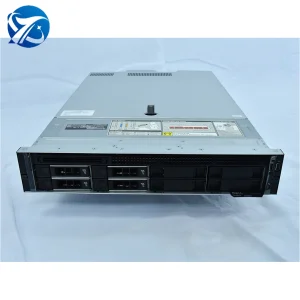
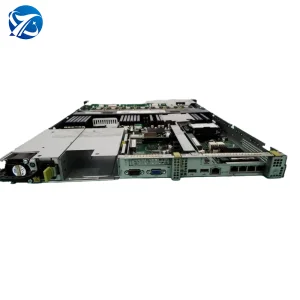
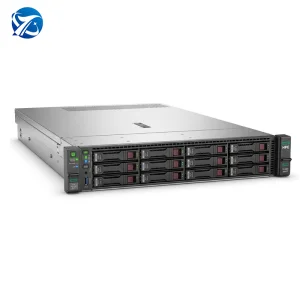
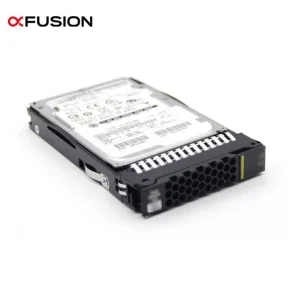
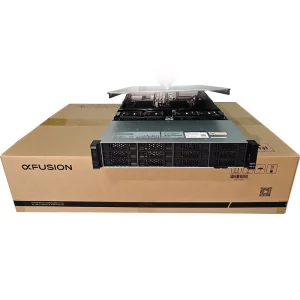
Historically, Voice over IP (VoIP) hardware was synonymous with stand-alone IP-PBX boxes, dedicated SIP gateways, and localized T1/E1 media connectors. Today, the convergence of Cloud Telephony, Unified Communications as a Service (UCaaS), and Artificial Intelligence (AI) has completely redefined the architectural requirements of voice networks.
Modern telecom systems demand heavy computational backbones. To maintain packet transmission with zero-jitter, run voice transcription algorithms locally, handle hundreds of thousands of concurrent SIP sessions, and ensure data redundancy, enterprise networks rely on dense bare-metal servers, GPU-accelerated AI infrastructure, and optimized RAID storage controllers.
This technical shift has placed China's advanced industrial hardware manufacturers at the center of the global VoIP telecommunication supply chain. China's state-of-the-art factories now produce the high-performance computing units, NVMe/SAS storage arrays, and network switches that host critical virtualized softswitches, Session Border Controllers (SBCs), and call center backends worldwide.
The convergence of telecommunication channels with artificial intelligence and distributed edge networks.
Next-gen VoIP deployments leverage edge GPU processing nodes to dynamically improve voice quality. Real-time background noise cancellation, active echo removal, and automated voice packet restoration algorithms are shifting workloads from cloud hubs to local edge server racks.
WebRTC (Web Real-Time Communication) has eliminated the need for native client software, allowing voice sessions directly inside browsers. However, this demands powerful transcoders on the backend to handle media stream translation between diverse codecs (such as Opus, G.711, and G.729) in real-time.
Distributed enterprises are moving away from local on-premise telecom hardware in favor of geo-redundant hybrid private clouds. This paradigm requires standardized, globally deployable rack servers that support quick hypervisor deployment, consistent storage arrays, and robust remote out-of-band management.
Founded in 2017, Quantix Intelligent Computing Co., Ltd. is a premier GPU server manufacturer and high-performance computing infrastructure provider based in China. We design, develop, and manufacture robust computing units that serve as the backbone for modern VoIP, cloud PBX networks, unified communications, and big data clusters.
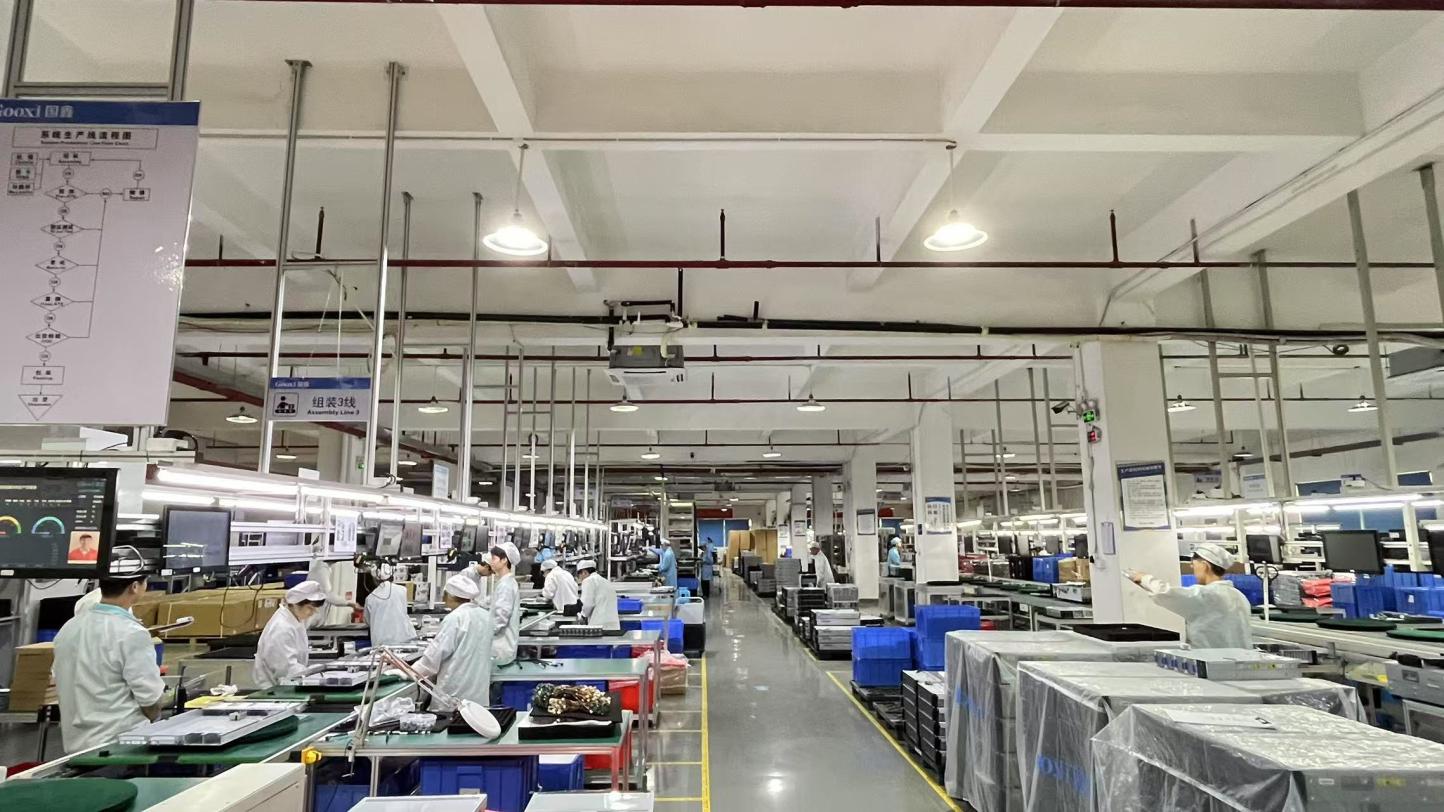
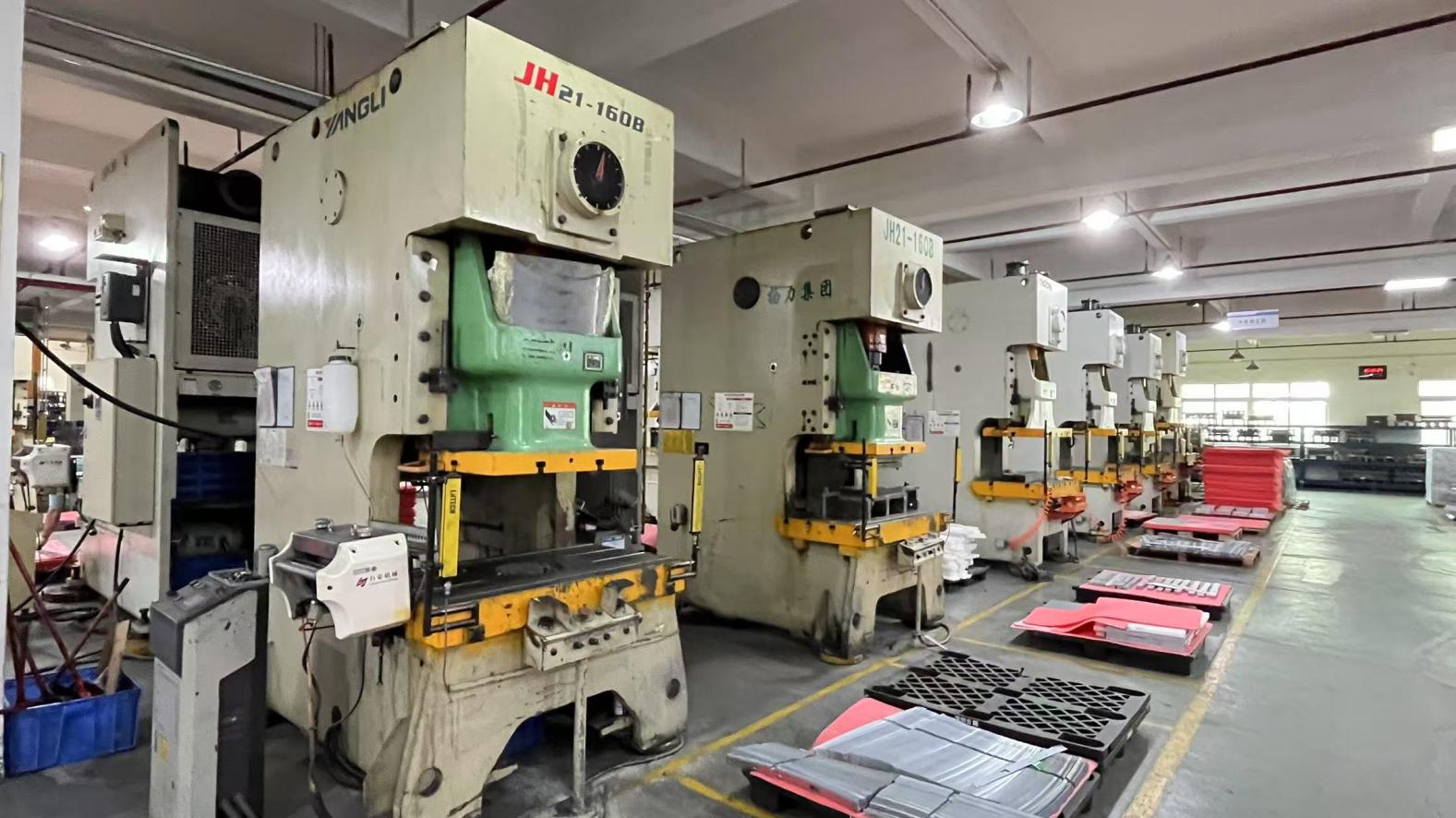
Operating a modern manufacturing facility covering 420 square meters, Quantix merges high-speed hardware manufacturing with a massive supply chain network of over 850 partners. Our annual export revenue exceeds USD 18 million, representing our strong presence and reliability across major tech-demanding hubs in North America, Europe, Australia, and the Middle East.
With more than 14 years of industry expertise and 9 years of direct export experience, we understand the critical demands of the telecommunications sector. Telephony networks cannot afford down-time; thus, our products are engineered for continuous 24/7/365 workloads. Supported by an R&D department consisting of 78 specialized engineers, we offer highly detailed OEM and ODM customization services—enabling customers to adapt chassis designs, storage backplanes, and branding setups to their VoIP specifications.
Every transaction, call, and recording relies on the structural integrity of our manufacturing standards.
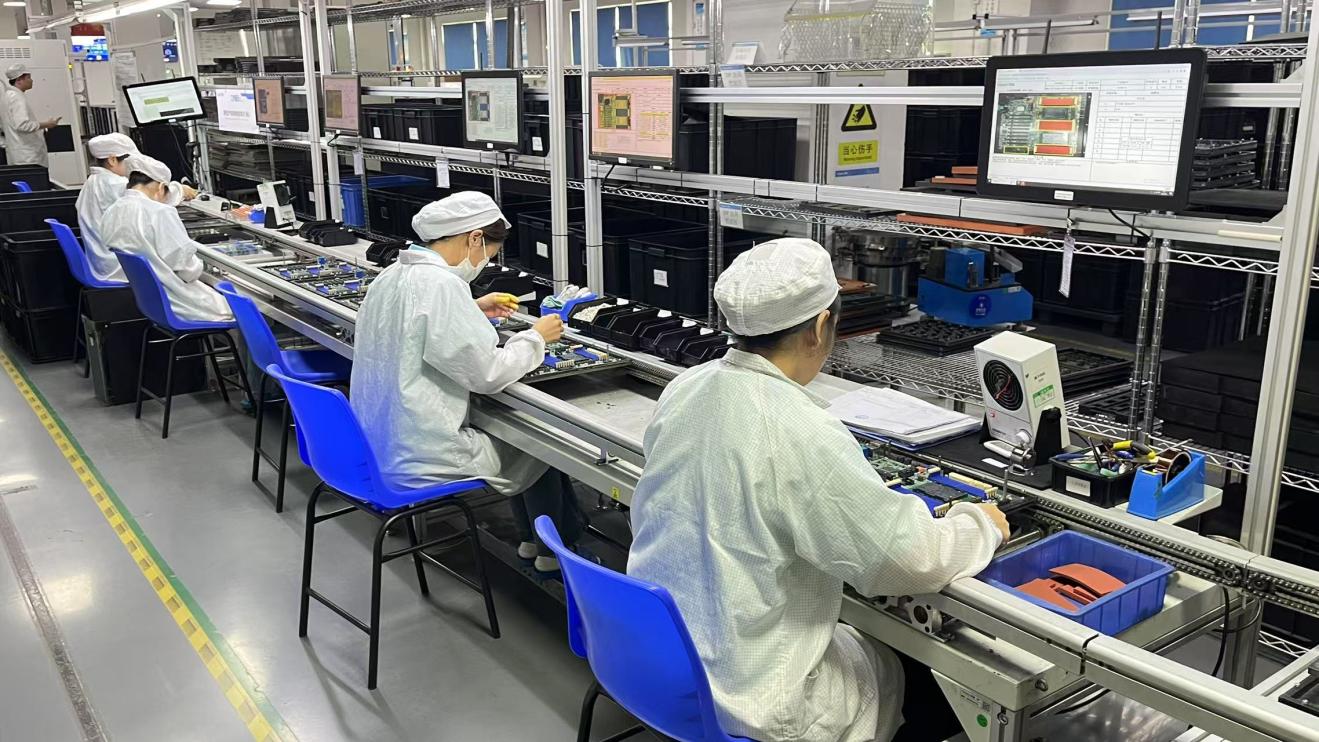
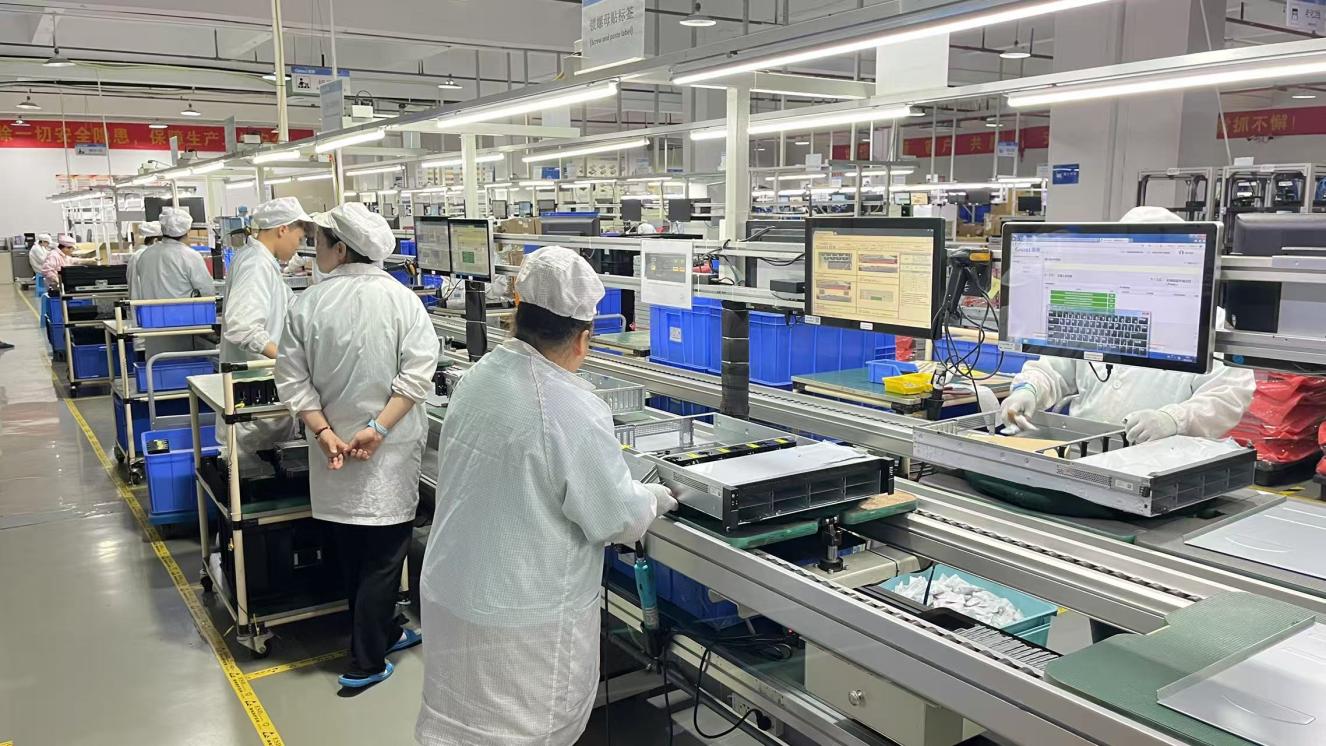
All inbound silicon, memory chips (DDR5/DDR4), SSD chips, and power delivery networks undergo initial component screening to filter out physical anomalies before moving to the assembly lines.
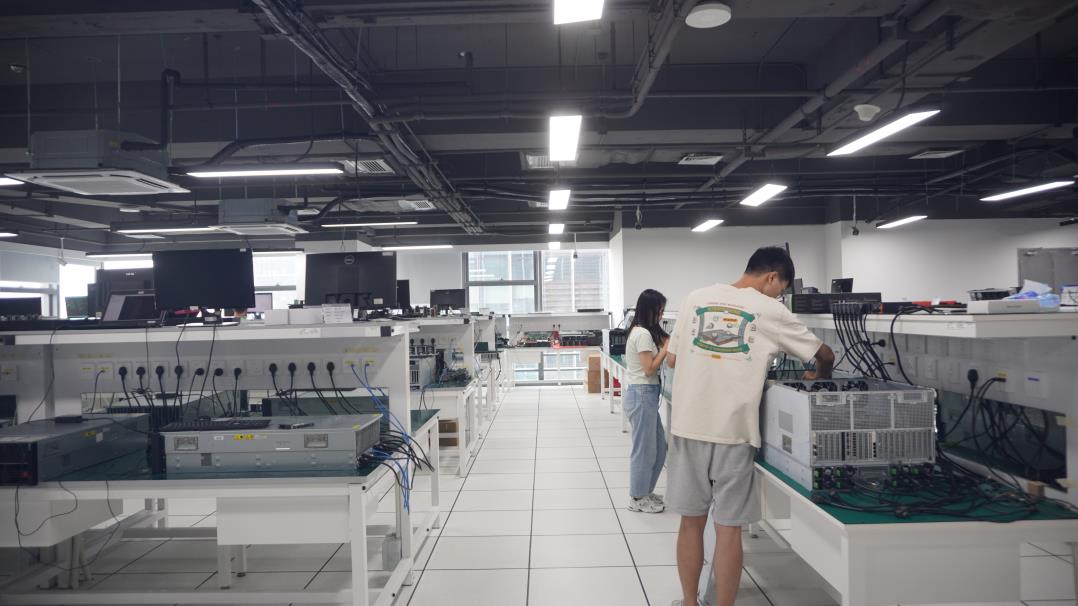
To simulate real-world telecom racks, assembled systems undergo prolonged thermal burn-in chambers under maximum load capacity. This verifies cooling efficacy and isolates early component failures.
Our 46-person quality control department conducts full-speed interface validations, ensuring PCIe buses, RAID cache controllers, and Ethernet transceivers communicate without CRC errors or packet drops.
How our compute, storage, and networking hardware scales across distinct commercial environments.
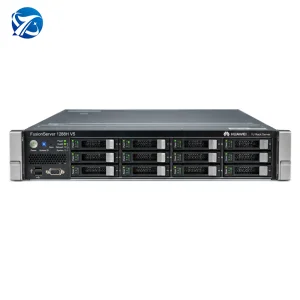
Large multinational enterprises deploy cloud-based PBXs across different geographical locations to serve remote workforces. These infrastructures require high-density 1U rack servers (like the HPE DL360 Gen11 or FusionServer xFusion 1288H V5) to run multi-tenant virtualization platforms with massive memory capacities, handling thousands of concurrent VoIP endpoints.
Recommended Config: Dual Intel Xeon, 64GB+ DDR5 RAM, redundantly configured network interfaces.Financial institutions and customer service hubs are bound by strict data retention laws. Voice transactions must be recorded, compressed, encrypted, and saved locally. Storage servers featuring enterprise SAS HDDs and hardware RAID controllers (with backup battery modules) ensure voice files are securely logged without dropouts.
Recommended Config: 2U Storage Server, Hardware RAID Controllers (SAS3808), high-capacity NL SAS HDDs.Modern automated customer lines utilize deep learning systems (such as DeepSeek and customized NLP frameworks) to understand voice input immediately. GPU-enabled AI servers process audio waves locally, running voice biometric authentication and real-time speech analytics directly at the datacenter edge.
Recommended Config: Multi-GPU server nodes, high-bandwidth SSD pools, high-throughput DDR5 RDIMM memory.Industrial campuses and smart cities integrate emergency intercom networks with IP backbones. These edge locations require small-footprint, highly durable computing hardware capable of operating in non-climate-controlled spaces while maintaining constant communication links back to the core operations center.
Recommended Config: Short-depth OEM server chassis, industrial SSD storage, power-efficient configurations.Browse our selection of multi-socket processing systems, fast DDR5 ECC system memory, and highly redundant server clusters designed to manage high packet volume workloads.

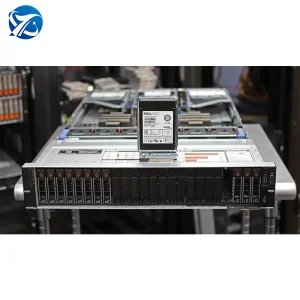
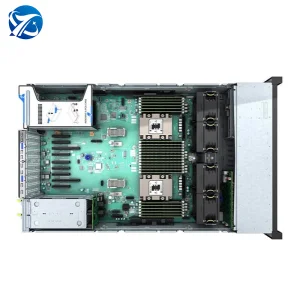
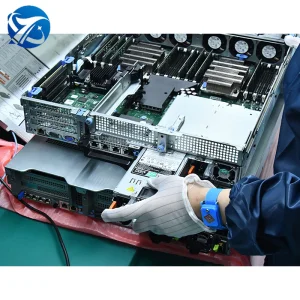

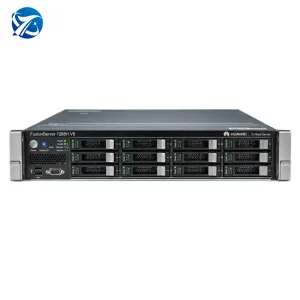

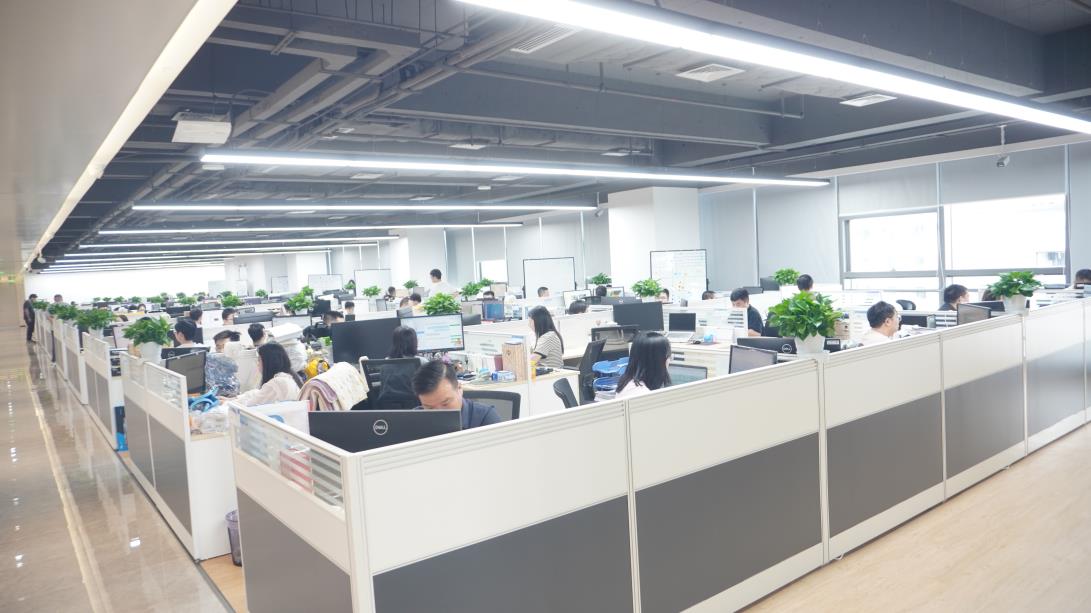
Inside Quantix's assembly lines, cleanrooms, and testing facilities in China.
Clear answers regarding telecommunication server hardware procurement, deployment, and OEM parameters.