Quantix
Quantix
Quantix
Deploy highly scalable application hosting, virtualization hypervisors, AI computation models, and dense network storage arrays with our certified enterprise-grade platform configurations.
In the hyper-connected era of cloud architectures and artificial intelligence, application hosting demands have evolved beyond basic virtual private servers. Today, enterprises require high-performance, low-latency, and resilient compute clusters designed to sustain intensive data operations. Founded in 2017, Quantix Intelligent Computing Co., Ltd. has positioned itself as a premier global GPU server manufacturer and complete AI infrastructure solution provider based in China.
Our specialized ecosystem encompasses the design, R&D, assembly, and custom modification of mission-critical hardware, including high-performance GPU systems, complex HPC (High-Performance Computing) clusters, deep learning nodes, and specialized storage servers. Operating from a highly efficient, state-of-the-art manufacturing facility covering 420 square meters, we integrate robust structural engineering with advanced thermal modeling to supply hardware capable of running the world's most sophisticated cloud hosting systems.
Application hosting stability is directly tied to bare-metal reliability. While software layers optimize traffic routing, CPU bottlenecks, storage latencies, and thermal throttling at the physical level represent the primary points of failure for large-scale enterprise applications. Quantix addresses this gap by engineering chassis and choosing components that guarantee peak operational runtimes under continuous, heavy thermal stress.
Modern IT procurement officers and infrastructure architects must address complex technical specifications before selecting application hosting systems. Let's analyze the critical requirements driving global procurement decisions.
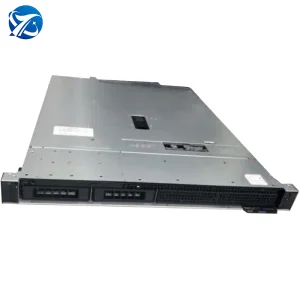
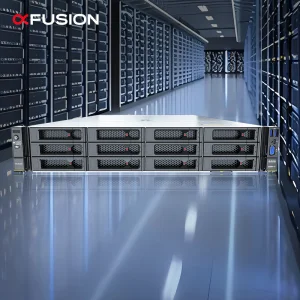
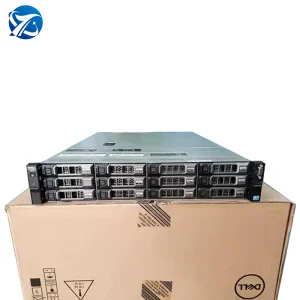
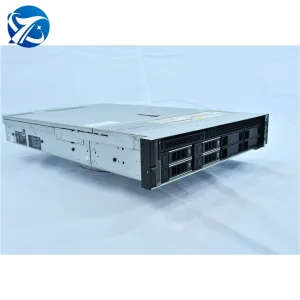
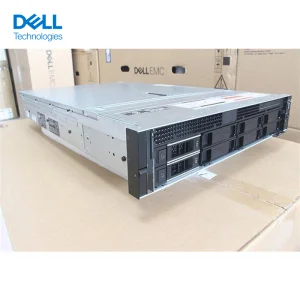
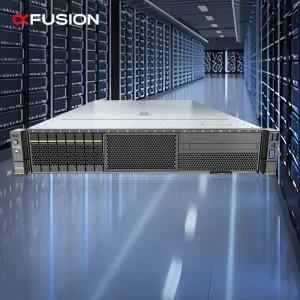
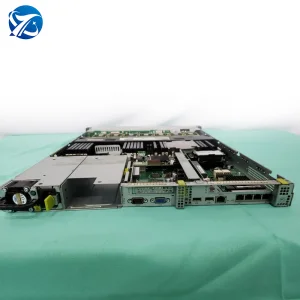
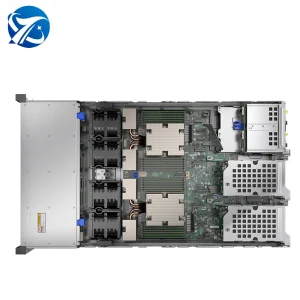
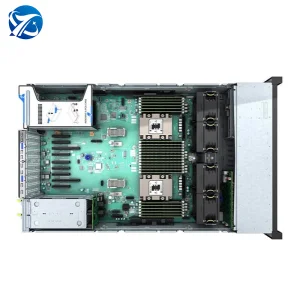
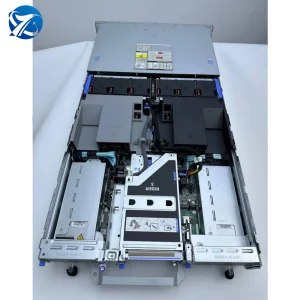
Web applications, databases, and microservices require massive multi-core execution environments. Systems like the Dell PowerEdge R660XS (1U) or the xFusion 2288H V7 (2U) provide dual-socket Intel Xeon scalable options coupled with up to 64GB or larger memory modules to satisfy high-density container clustering.
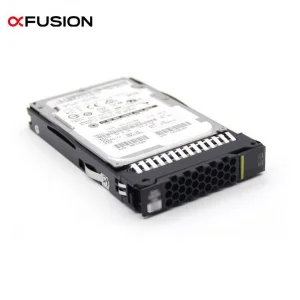
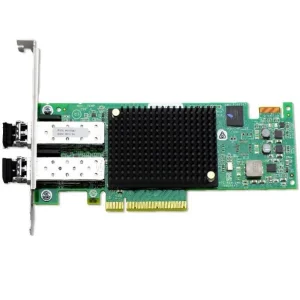
Application speed depends on data retrieval speeds. Implementing Enterprise-class SATA HDD Hard Drive Disks (4TB to 20TB) configured in hardware RAID matrices, or integrating ultra-fast Fibre Channel host bus adapters such as the Emulex LPe35002-M2 Dual Port 32GB FC32 HBA Card, ensures seamless data transaction processing.
Continuous operations need steady thermal management. High-performance application hosting hardware leverages 1500W+ platinum hot-swappable power supplies and redundant, smart-speed chassis cooling fans to prevent hardware degradation under extreme thermal loads.
China's technology hardware manufacturing ecosystem offers unparalleled supply chain flexibility and raw velocity. As a leading manufacturer based in Shenzhen, Quantix manages a diverse and highly integrated supply chain with over 850 certified component suppliers. This allows us to source premium materials, high-density PCBs, certified controllers, and custom mechanical chassis with virtually zero downtime.
Our dedicated R&D department houses 78 specialized engineers focusing on firmware optimization (BIOS/BMC), mechanical structural design, high-density motherboard layout, and advanced thermal modeling. Whether an enterprise client needs customized server configurations, localized branding, bespoke packaging, or unique GPU carrier configurations, our R&D and production lines offer comprehensive OEM and ODM services. Last year, our devotion to innovation culminated in the launch of 126 new server models and upgraded solutions.
At Quantix, quality assurance isn't a passive checkmark—it is a continuous operational discipline overseen by our 46 quality control experts. To guarantee absolute compliance with international guidelines, every server and component undergoes a rigorous five-step verification matrix:
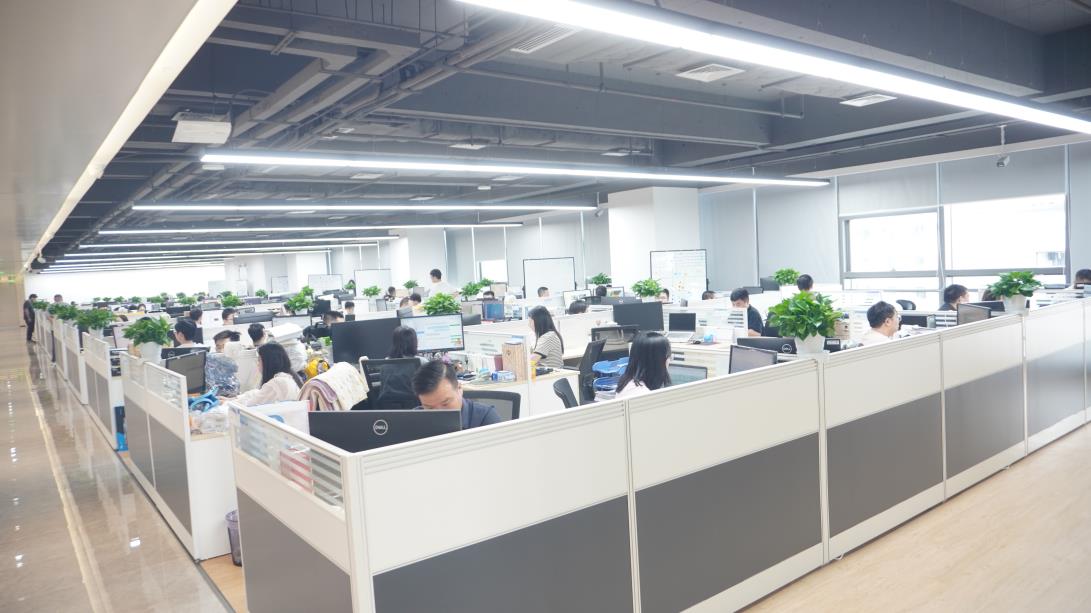
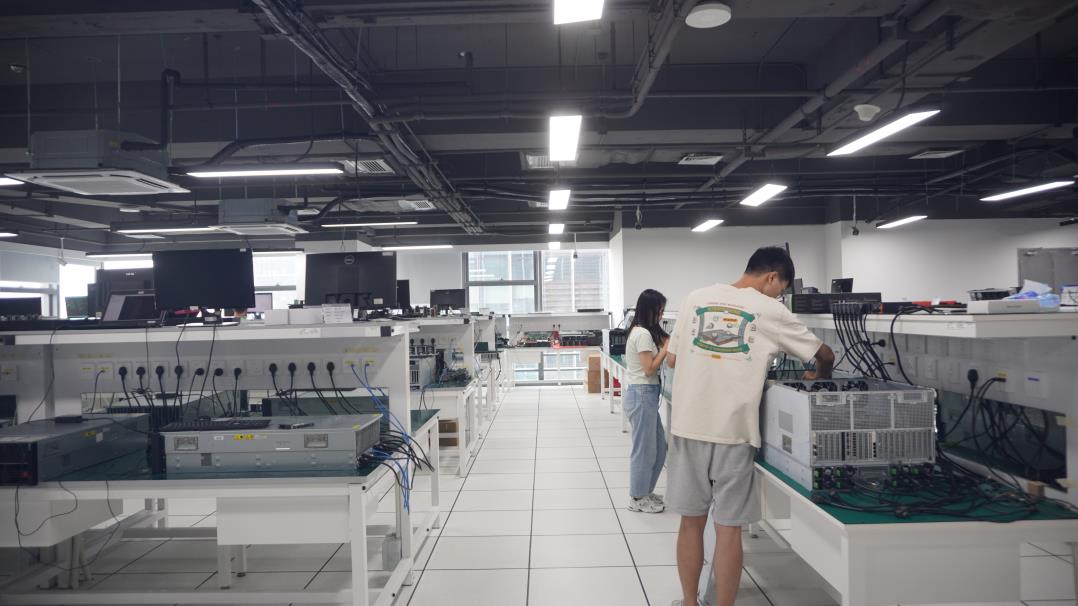
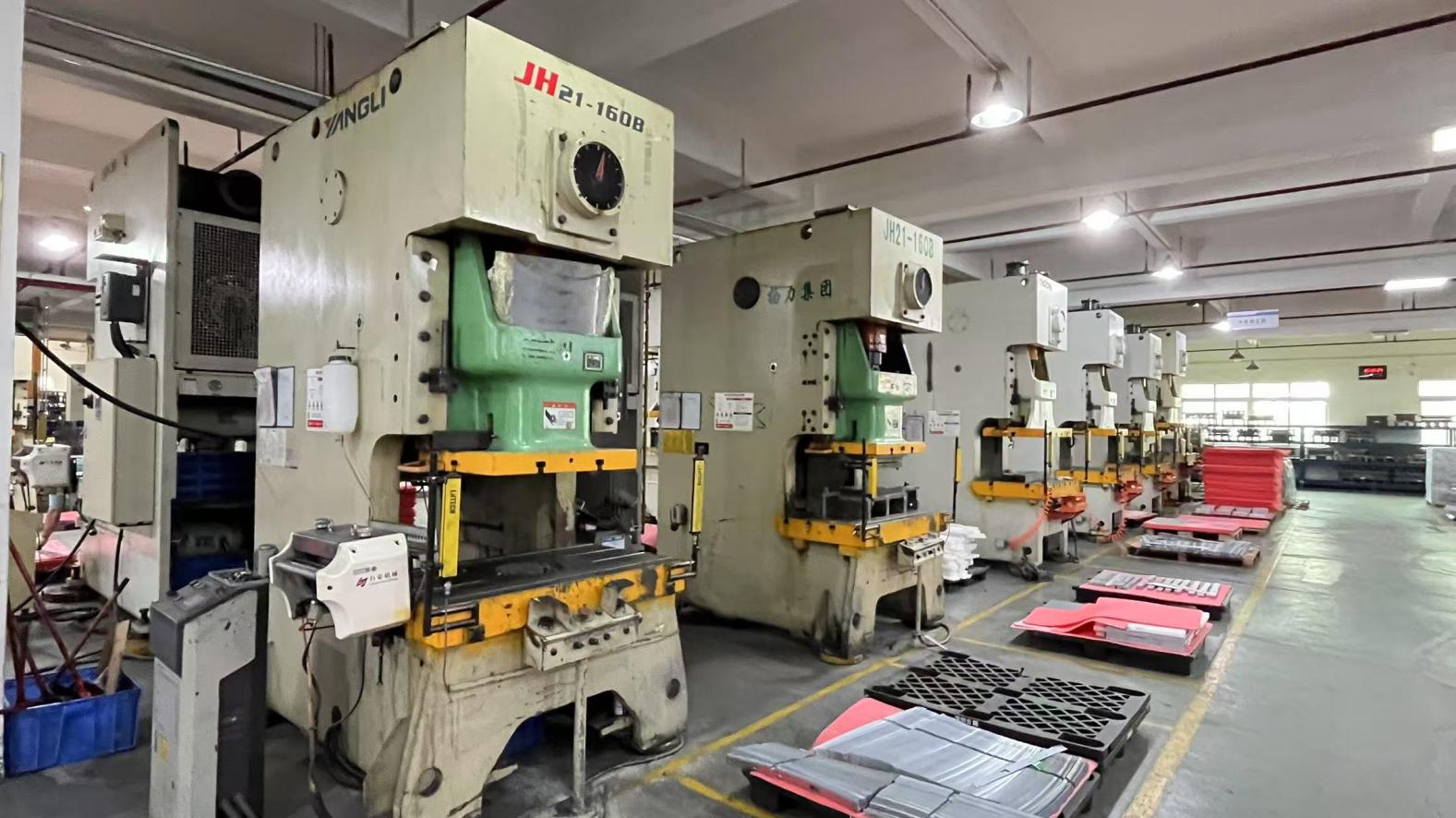
Step inside our modern facility to observe our precision assembly lines, burn-in chambers, testing bays, and logistics operations. We guarantee world-class manufacturing standards for every server shipped globally.



The application hosting landscape is undergoing massive paradigm shifts. The reliance on traditional public cloud hypervisors has exposed major security, cost, and predictability issues for enterprise applications. These factors are driving key shifts in technology adoption:
To escape virtual machine hypervisor overhead, organizations are reverting back to dedicated physical bare-metal hardware. Modern setups rely on systems like the xFusion 2288H V6 Hyperconverged Infrastructure to fuse storage, memory, and high-performance processing in a unified, dense footprint. This model minimizes latency, simplifies internal routing, and improves reliability.
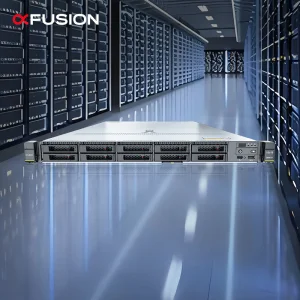
Application hosting is no longer restricted to serving static websites or handling API endpoints. The explosion of Large Language Models (LLMs) requires systems like the 2025 1288H V7 1U AI DeepSeek System or xFusion G5500 V7 AI GPU Servers to perform real-time model inferencing and complex embeddings directly inside hosting clusters, reducing database roundtrips.
By shifting hardware closer to end-users, businesses reduce geographical latency. This requires highly specialized networking cards such as fiber channel HBAs or multi-gigabit SFP+ adapters to process incoming traffic streams and pipe data dynamically to backend servers without introducing processing buffers.
Data sovereignty regulations (such as GDPR, HIPAA, and national security directives) require hardware configurations that explicitly segregate and protect specific datasets. Physical encryption chips, local HSM systems, and verifiable chassis-intrusion switches are becoming standard requirements for globally exported machines.
Operating in international markets requires rigorous adherence to local regulations. At Quantix, we realize that exporting enterprise servers means understanding more than just raw shipping logistics. It requires adapting hardware layouts, electrical wiring schemes, safety standards, and environmental certifications to fit the legal frameworks of target countries.
Every host unit we export to North America, Europe, Australia, or the Middle East holds necessary certifications (such as CE, FCC, RoHS, and UL-certified power subsystems). This guarantees seamless installation in certified public and private colocation facilities.
Different geographic markets run on distinct electrical phases, ranging from 110V/60Hz to 220V/50Hz networks. We customize PDU connections, support native plug designs, and build auto-switching titanium efficiency power modules to meet specific localized data center standards.
Our 9+ years of export experience ensures smooth customs clearing processes and robust DDP shipping integrations. Furthermore, we provide local warranty replacement components, ensuring rapid dispatch of hard drives, memories, and power components.
Quantix-engineered servers operate across a diverse spectrum of computing workloads. Here are common environments where our application hosting and storage units are deployed:
By combining high-density GPU platforms (like the FusionServer xFusion G5500 V6 or V7) with dense local storage arrays, artificial intelligence startups and universities deploy on-premise model training platforms and low-latency inference endpoints.
Dedicated 1U and 2U rack servers (such as the PowerEdge R760XS and xFusion 2258 V7) are configured with multi-core processors and extensive memory to support SaaS backends, relational databases, and containers (e.g. Kubernetes cluster nodes).
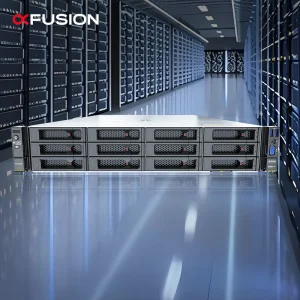
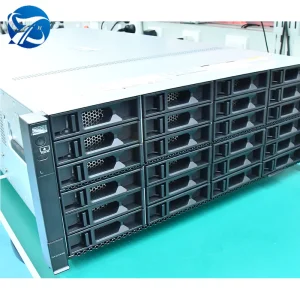
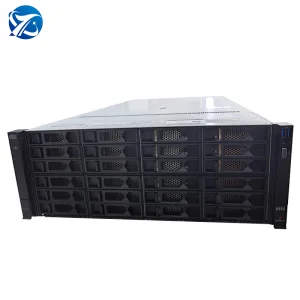
Deploying enterprise SATA hard drives in high-capacity storage arrays (like the 2288H V7 rackmount storage unit) allows financial institutions and research centers to run massive Hadoop workloads and build secure local NAS backup solutions.
Have technical questions about our manufacturing capabilities, support models, or customized hardware configurations? Browse our comprehensive answers below.
Browse our full range of enterprise computing systems, specialized AI nodes, local NAS clusters, and high-speed fiber connectivity options.