Quantix
Quantix
Quantix
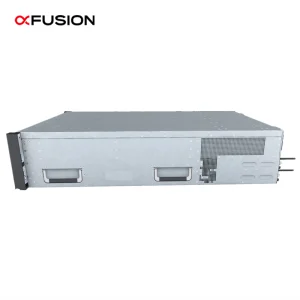
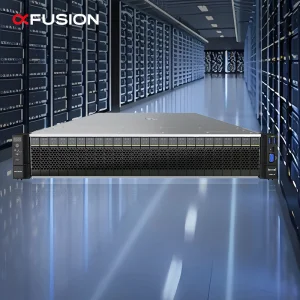
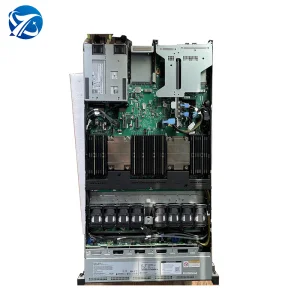
Explore our flagship hardware arrays, engineered to deploy and accelerate deep learning, massive data pools, and complex localized models.
Founded in 2017, Quantix is a premier GPU server manufacturer and custom AI solutions factory based in China. Over the years, we have transitioned from standard system integrations to developing world-class architectures that empower global tech firms, research centers, and cloud hosting entities. We provide high-throughput computing hardware engineered for deep learning, scientific pipelines, and next-generation model scaling.
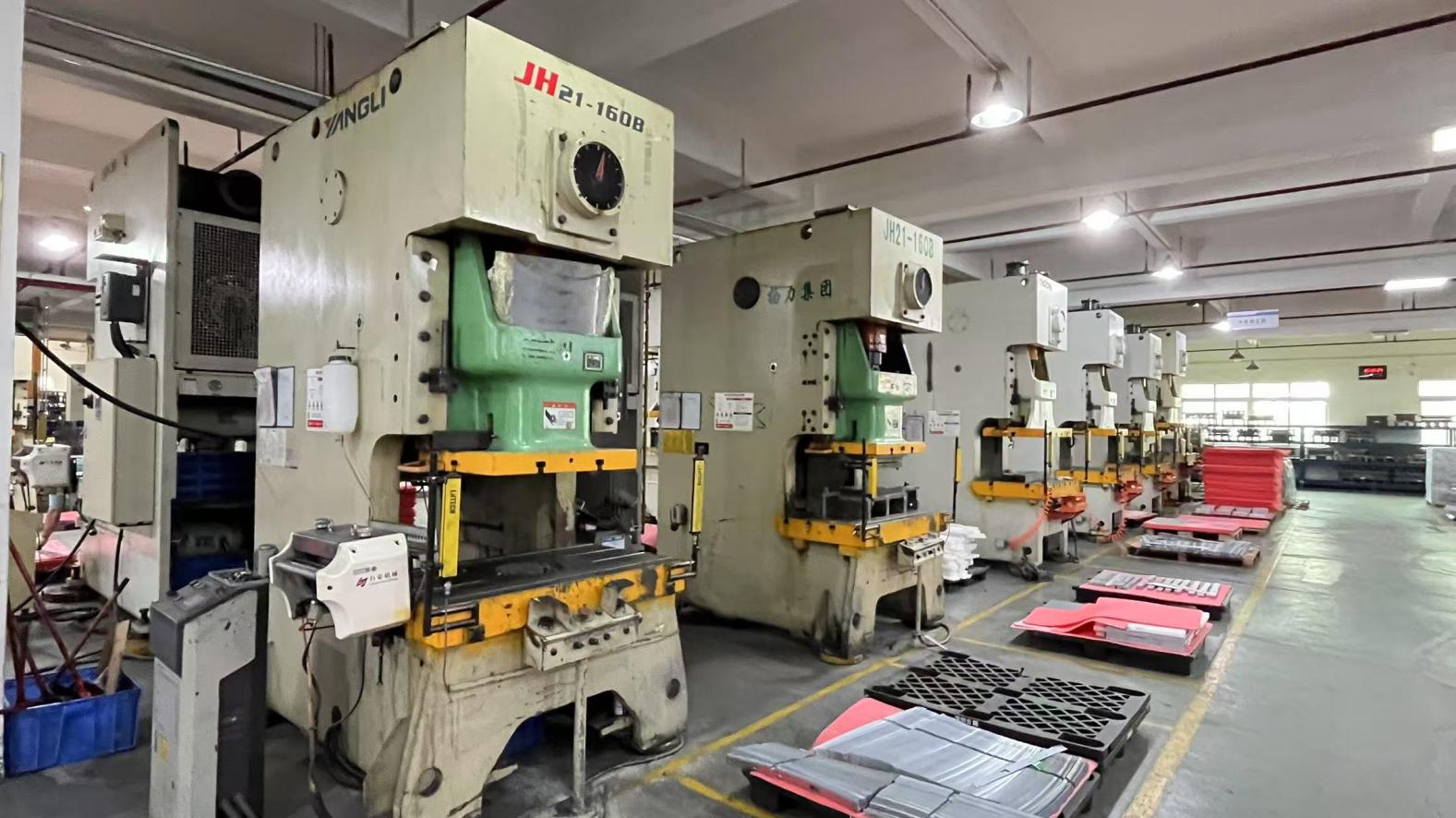
Operating from a specialized processing facility, Quantix integrates complex engineering workflows with agile production systems. We specialize in custom high-performance computing (HPC) nodes, optimized GPU cooling schemes, and high-density enterprise layouts.
With over 9 years of direct export history, our engineering designs are deployed across key markets in North America, Europe, Australia, and East Asia. We manage localized design modifications, regulatory safety assessments, and direct firmware updates.
Our active R&D ecosystem includes 78 hardware, thermal, and firmware experts. Last year alone, we delivered 126 new computing system upgrades and customized configurations to address shifting computational limits worldwide.
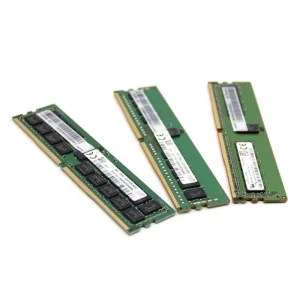
Every hardware component—from system boards to high-frequency RAM modules and storage controller boards—is sourced through a network of 850 partners, ensuring continuous assembly availability even during tight global supply windows.
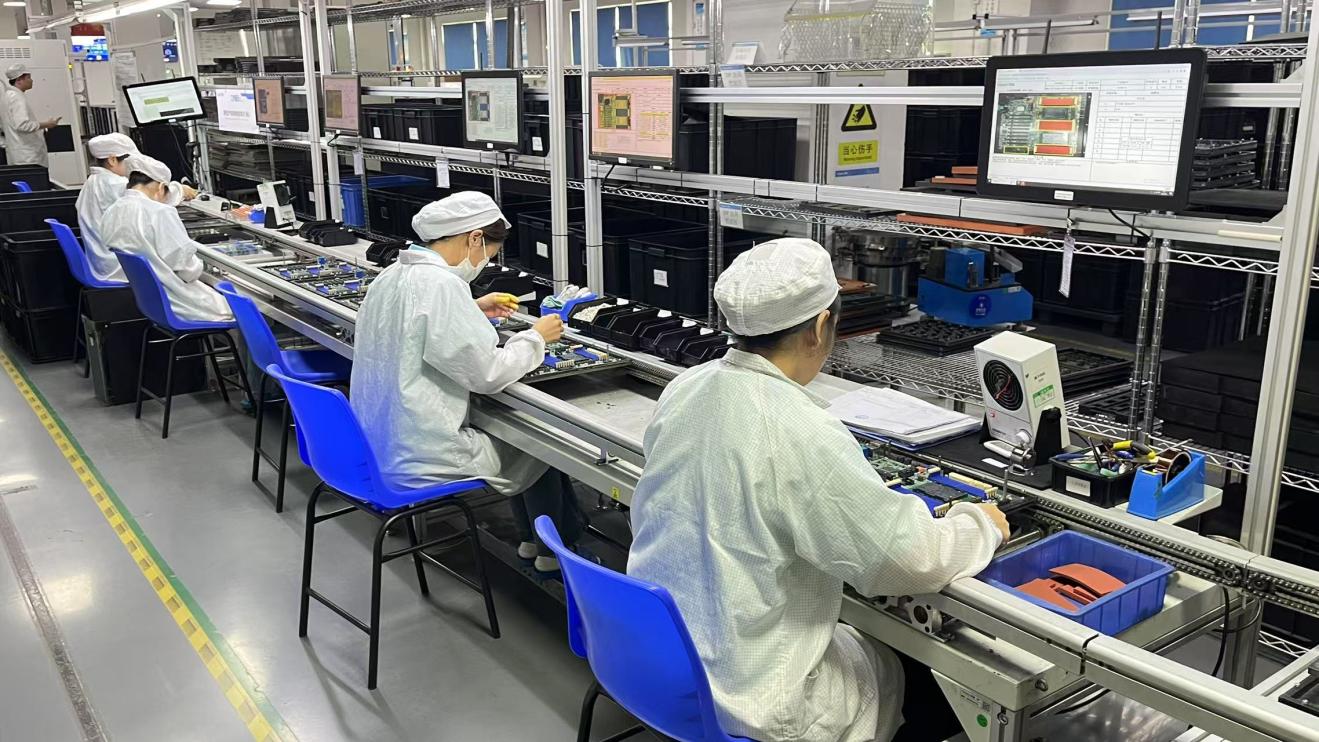
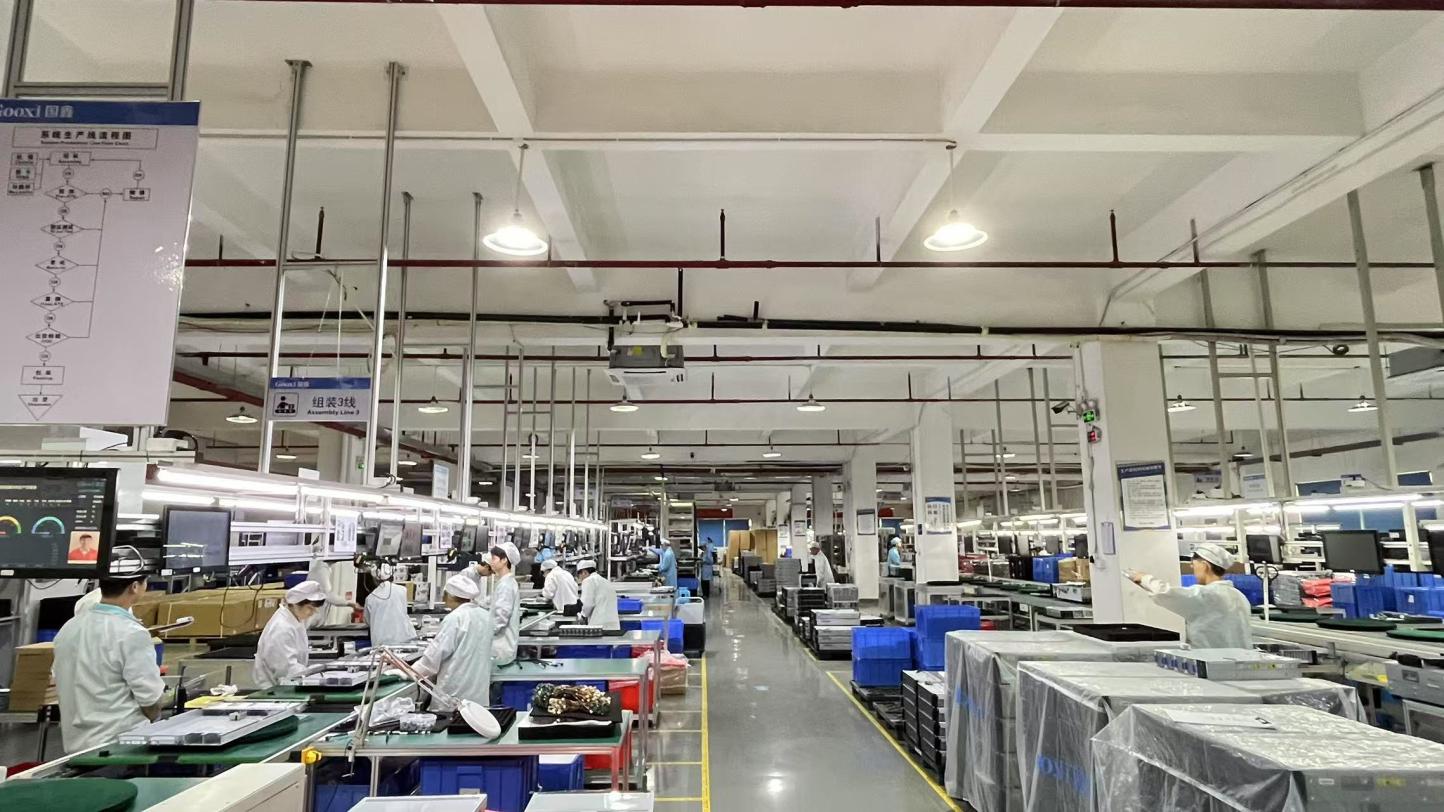
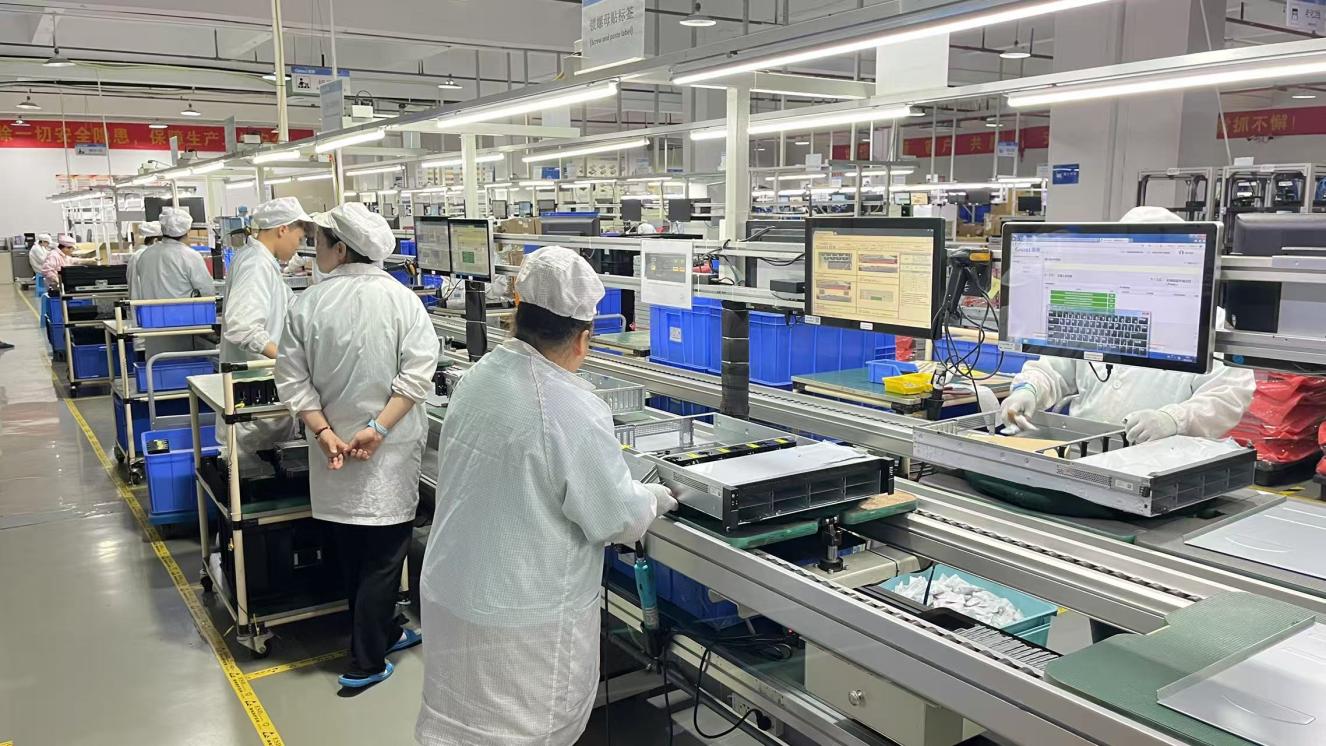
Our clean-room assembly, integration, and diagnostics operate out of a modern manufacturing floor. By utilizing digital tracking systems and direct components sourcing, we ensure low failure rates and high hardware reliability.
All silicon components, storage media, and high-speed PCIe lanes undergo strict physical and electrical verification. Our team rejects components that fail signal integrity standards before they enter assembly lines.
Assembled systems undergo thermal testing under maximum compute loads for 48 to 72 hours. This identifies early component failures and ensures long-term operational stability in data center environments.
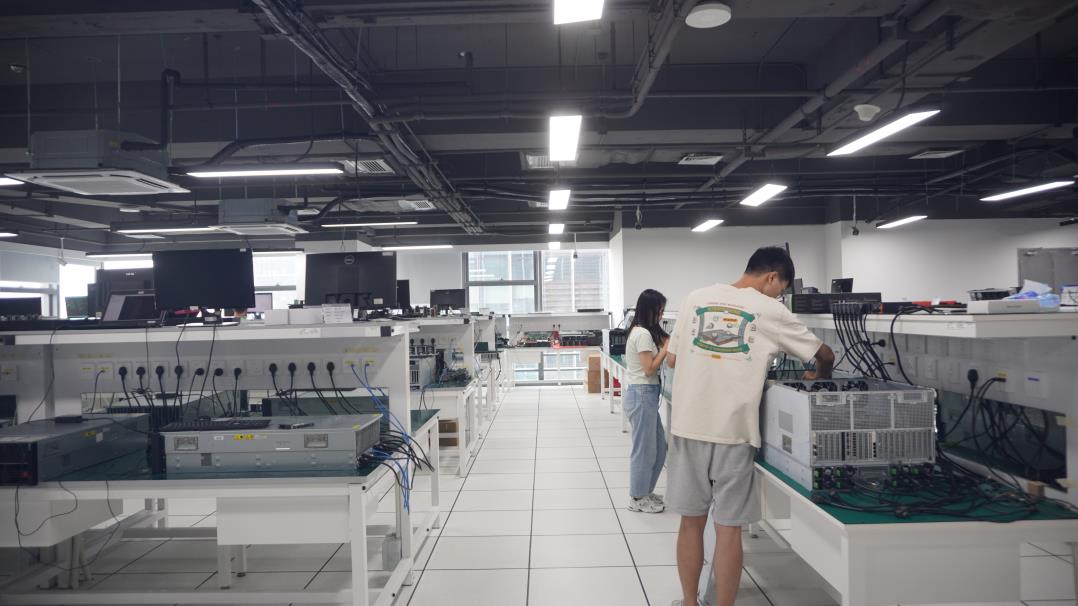
Our engineering teams test hardware throughput, network response, and memory write cycles against custom benchmarks. We confirm that system components perform at their rated speeds before final approval.
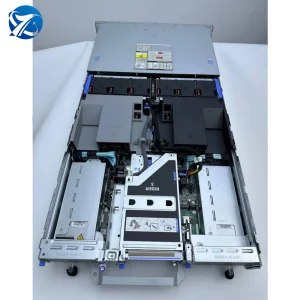
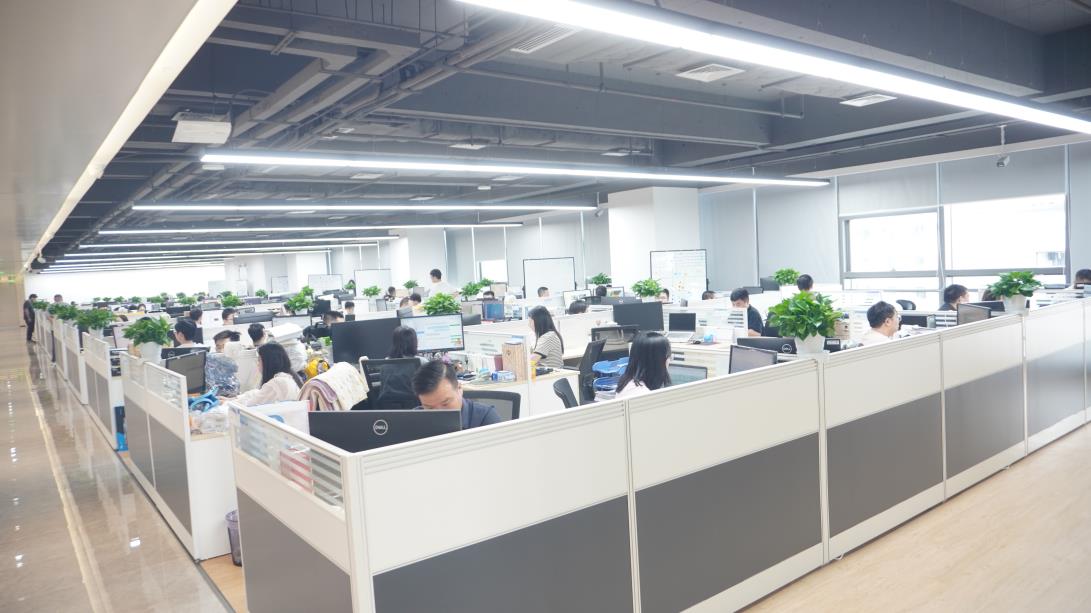
Transparency is key to our customer relationships. Below are real-time captures of our testing bays, component integration areas, and server verification labs:
High-performance computing requires tailored hardware solutions. We configure server architectures to meet the specific processing, bandwidth, and latency needs of different industries.
Our hardware is optimized for large language model workloads, such as deep learning architectures and DeepSeek deployments. Multi-GPU clusters leverage high-speed inter-GPU fabrics to reduce training times and bottleneck risks during model updates.
For high-capacity storage needs, our custom NAS configurations use PCIe Gen5 NVMe arrays, high-speed controller cards, and DDR5 ECC RAM. This ensures quick data access, high transfer speeds, and reliable file systems.
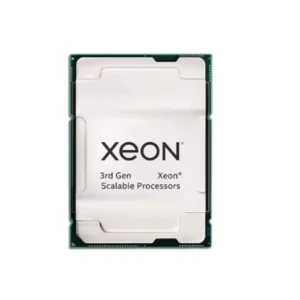
Complex genomic processing requires massive memory bandwidth and high parallel computing power. Our systems combine dual Xeon/EPYC processors with high-capacity RAM to speed up complex data processing pipelines.
Financial data processing relies on low latency and high system reliability. Our systems use enterprise SAS interfaces, hardware RAID, and redundant power configurations to prevent data loss and support continuous processing.
Modern computing demands continuous hardware evolution. Quantix invests in key areas to prepare our hardware for next-generation data workloads and AI applications.
Increasing chip power densities require new thermal management designs. We are moving from air-cooled units to direct-to-chip liquid cooling loops and closed-loop liquid-to-air systems. This helps lower datacenter PUE, reduce fan noise, and prevent thermal throttling under heavy compute loads.
To support faster data transfer, we are testing PCIe Gen6 layouts and Compute Express Link (CXL) architectures. These technologies provide shared memory resource pools, helping lower memory latency and increase speed across multi-socket systems.
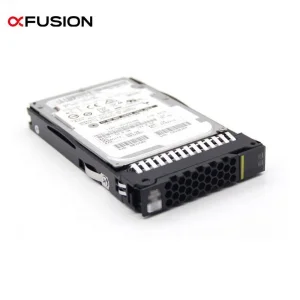
We are transitioning from traditional 2.5-inch drives to Enterprise and Datacenter Standard Form Factors (EDSFF). This allows for higher storage densities, improved airflow, and easier front-panel servicing in standard 1U and 2U server configurations.
Quantix provides tailored server production to meet the specific requirements of international system integrators and hyperscale builders.
We build customized BIOS settings, configure BMC interfaces, adjust power limits, and set up PXE boot settings to align with your existing management software and infrastructure requirements.
We adjust rack designs for different physical limits, customizing faceplates, modifying drive cage layouts, and adding custom brand colors or logos to fit your company's aesthetic.
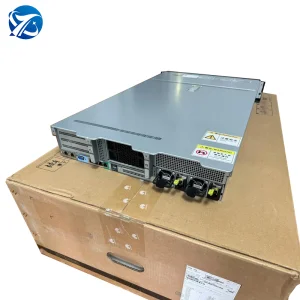
To protect components during transit, we pack servers in shock-resistant crates and heavy-duty foam, ensuring safe delivery across international shipping routes.
Exporting hardware internationally requires strict adherence to regional safety and environmental rules. Quantix maintains certified processes to ensure smooth entry and deployment in global markets.
We design systems for easy remote management. Dual-redundant BMC (Baseboard Management Controller) configurations allow IT departments to monitor systems, update firmware, and configure hardware remotely.
To minimize downtime, we provide spare component parts with high-volume orders. This allows on-site technicians to swap components like power supplies, fans, or disk drives without interrupting active operations.
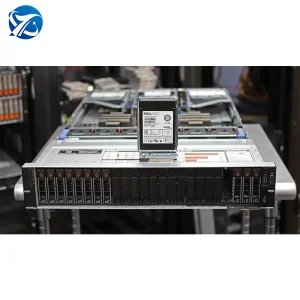
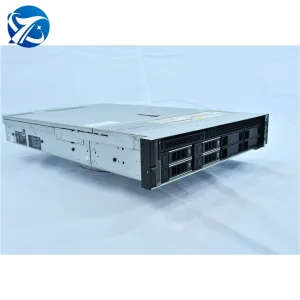
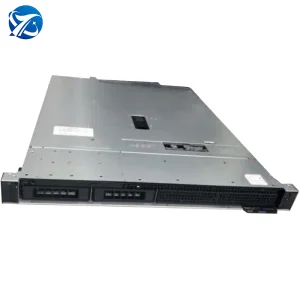
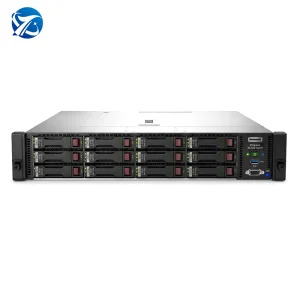
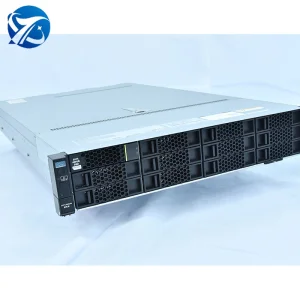
Select from our specialized server systems and GPU platforms, configured for demanding machine learning tasks and high-density datacenters.
Get detailed information about our hardware manufacturing capabilities, custom setups, and quality verification standards.