Quantix
Quantix
Quantix
Premium server nodes, PCIe acceleration modules, and advanced storage system controllers engineered for high-performance open computing stacks.
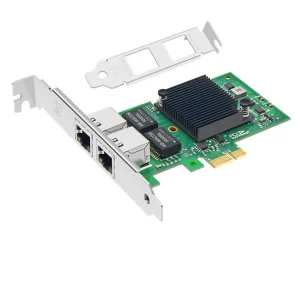
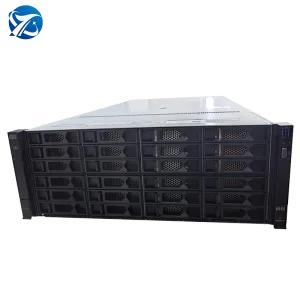


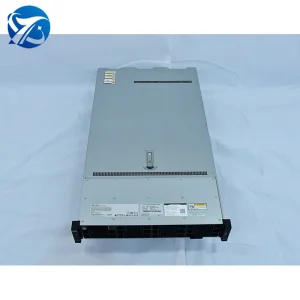
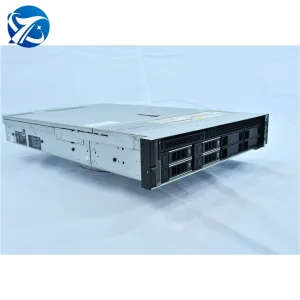
Analyzing the symbiotic convergence of open-source architectures, deep learning accelerators, and custom wholesale manufacturing.
In the modern digital landscape, the phrase Open Source Solutions has transitioned from describing mere software deployment layers to defining whole bare-metal architectures, software-defined storage (SDS), and artificial intelligence compute infrastructures. Historically, global enterprise IT environments were locked into proprietary hardware stacks, which created massive operating cost overheads and limited integration flexibility.
Today, as global cloud workloads scale exponentially, enterprises demand open hardware designs compatible with Linux distributions, open-source hypervisors (like KVM and Proxmox), OpenBMC for platform management, and cloud orchestration systems like Kubernetes. The primary objective is to implement cost-effective, high-throughput, and scalable compute frameworks capable of training and serving massive machine learning models.
The rapid commercialization of massive generative models (such as DeepSeek, LLaMA, and various stable-diffusion frameworks) has forced the industrial compute sector to rethink its architectural designs. Server infrastructure must support dense arrays of Graphics Processing Units (GPUs) coupled with immense system memory pools (often exceeding 256GB/512GB of RAM) and high-speed network interfaces.
This massive workload demand has spurred major industry developments:
How open computing configurations are utilized across enterprise, scientific, and industrial sectors.
Deploying clustered xFusion or PowerEdge nodes to orchestrate AI workloads, deep learning architectures, and scalable inference configurations via open tools like Kubernetes.
Running Ceph or TrueNAS on high-density platforms like FusionServer 5288 V7. Optimizing multi-petabyte pools for high data reliability, analytics, and speed.
Providing high-precision computational capabilities for medical modeling, meteorological prediction, and scientific simulations utilizing custom-engineered GPU clusters.
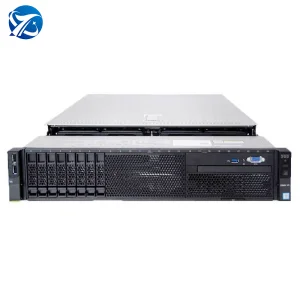
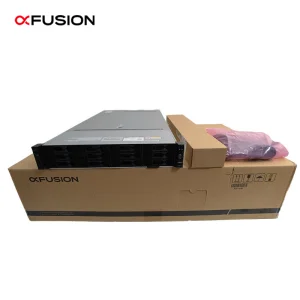
Consider a regional university data center deployment: They require an architecture that hosts localized Large Language Models (LLMs) like DeepSeek to support academic research. Purchasing proprietary hardware suites introduces prohibitive expenses. Instead, the institution deploys a cluster of xFusion 2U Rack Servers configured with dual Intel Xeon Scalable processors, 256GB RAM, and direct PCIe connections to GPU accelerators.
By integrating open-source orchestration (such as Slurm or Kubernetes) with these custom physical servers, the university achieves equivalent computing power at a fraction of the cost, ensuring full system customizability and maintaining localized data privacy protocols.
As computing requirements evolve, the hardware systems powering open-source environments must adapt. The industry technical roadmap shows distinct phases of progress:
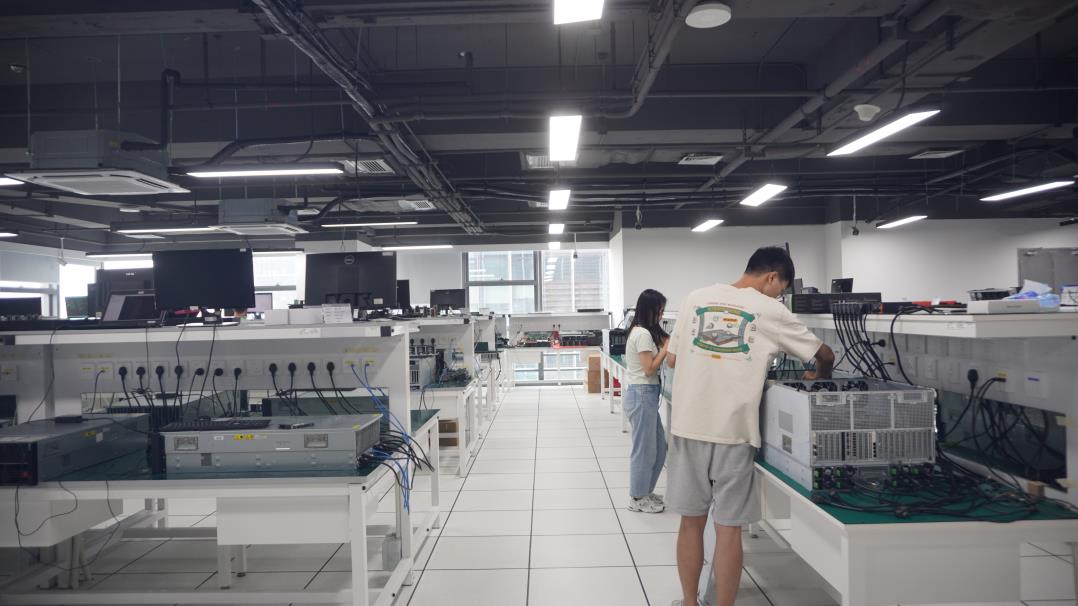
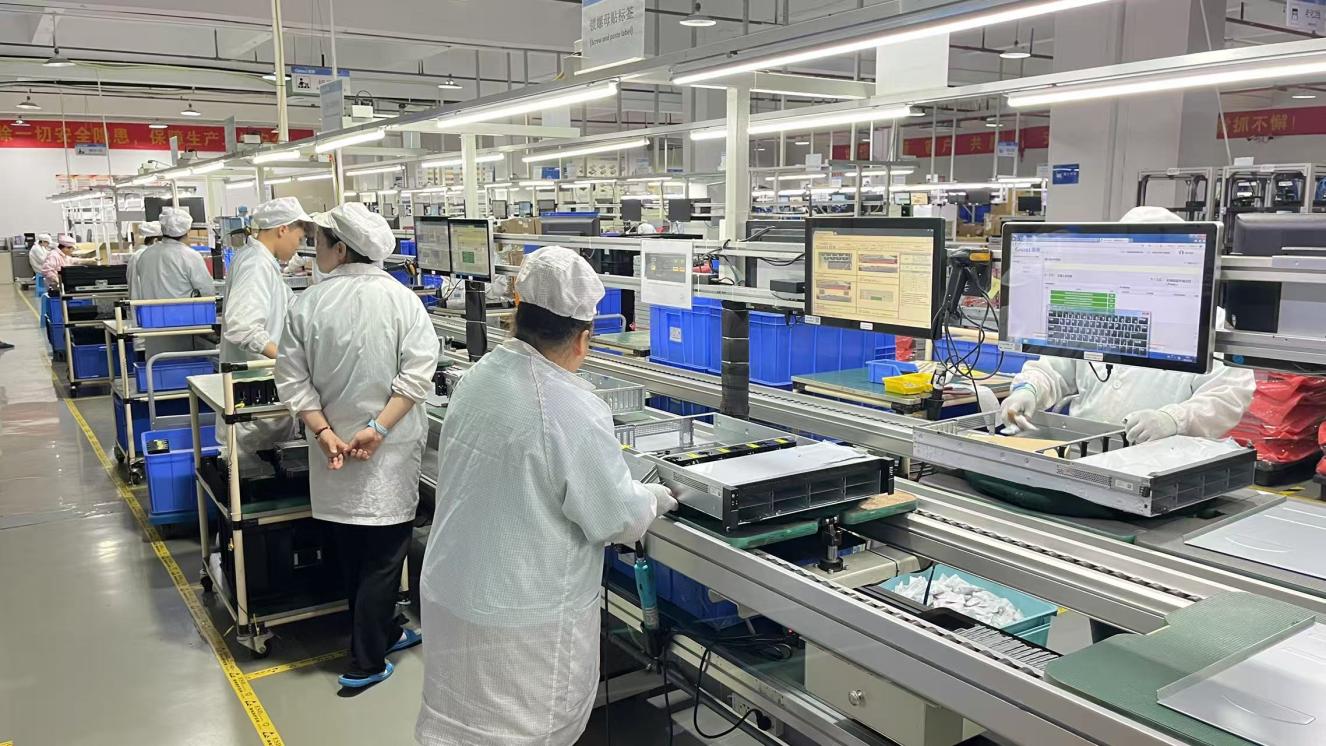
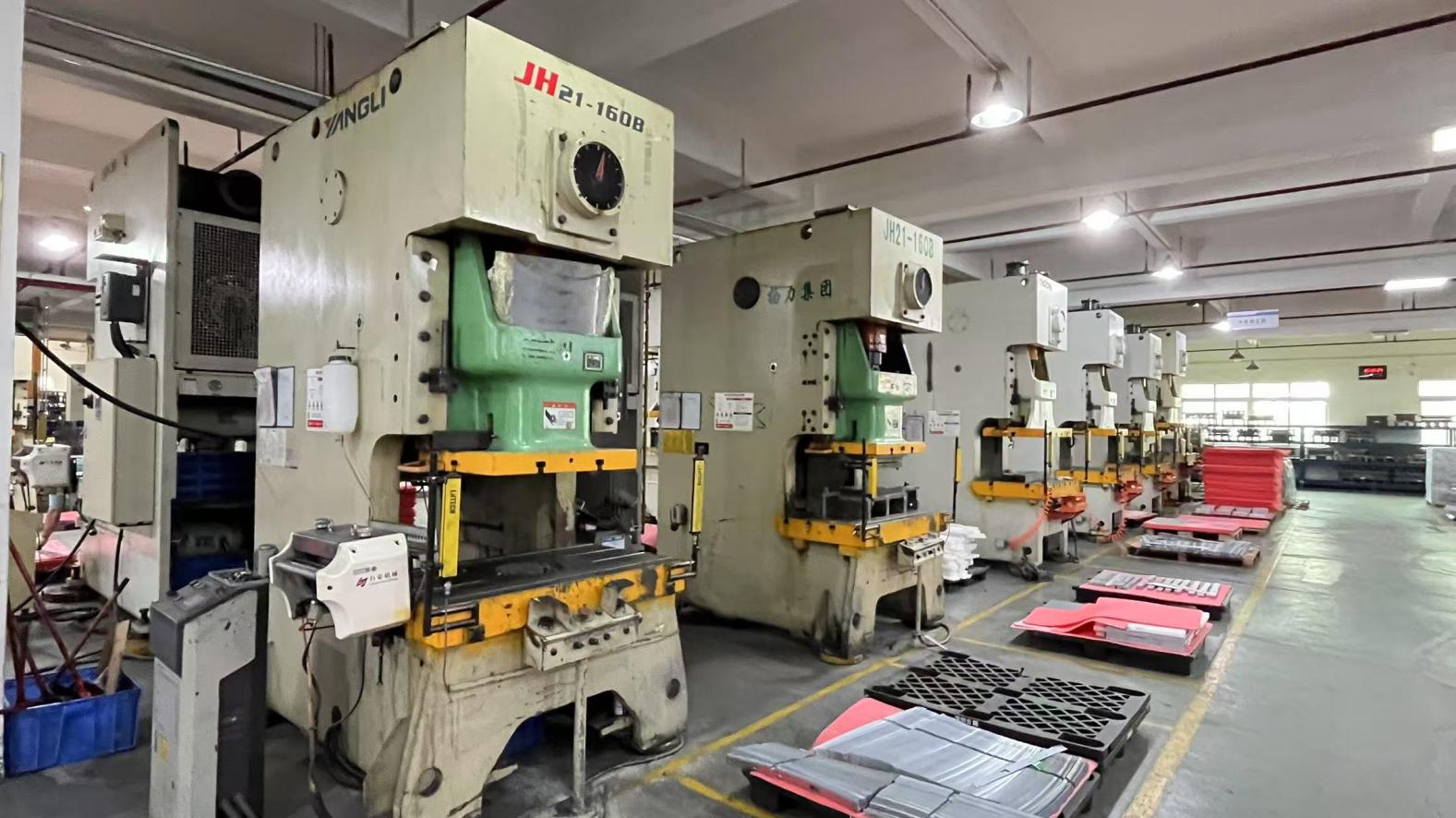
A look into our manufacturing facility, comprehensive testing procedures, and global logistics network.
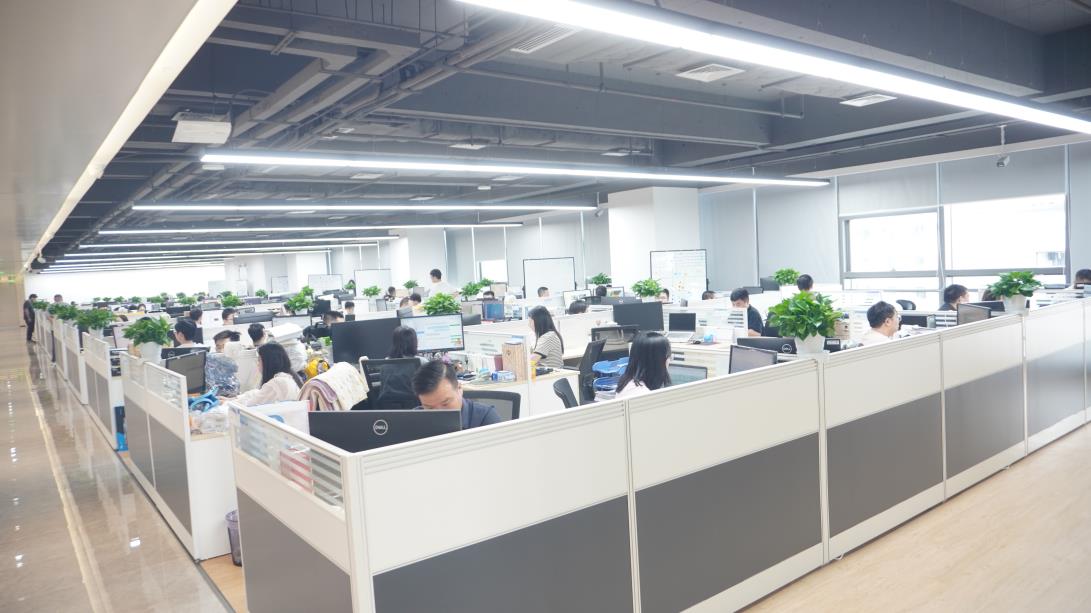
Founded in 2017, Quantix Intelligent Computing Co., Ltd. has grown to become a leading GPU server manufacturer and AI infrastructure solution provider based in China. We specialize in the design, development, and production of high-performance GPU servers, AI training systems, HPC clusters, and customized computing configurations tailored to global customer requirements.
Operating from a state-of-the-art precision facility spanning 420 square meters, Quantix merges modern manufacturing capabilities with a strong research foundation. This allows us to supply highly reliable, scalable, and economical computing configurations. Our products are widely deployed in artificial intelligence, machine learning, cloud environments, big data analytics, and enterprise data centers.
With 9+ years of export experience and 14 years of total industry expertise, Quantix has built robust partnerships spanning North America, Europe, Southeast Asia, the Middle East, and Australia. Our annual export revenue exceeds USD 18 million, highlighting our focus on quality, engineering innovation, and customer support.
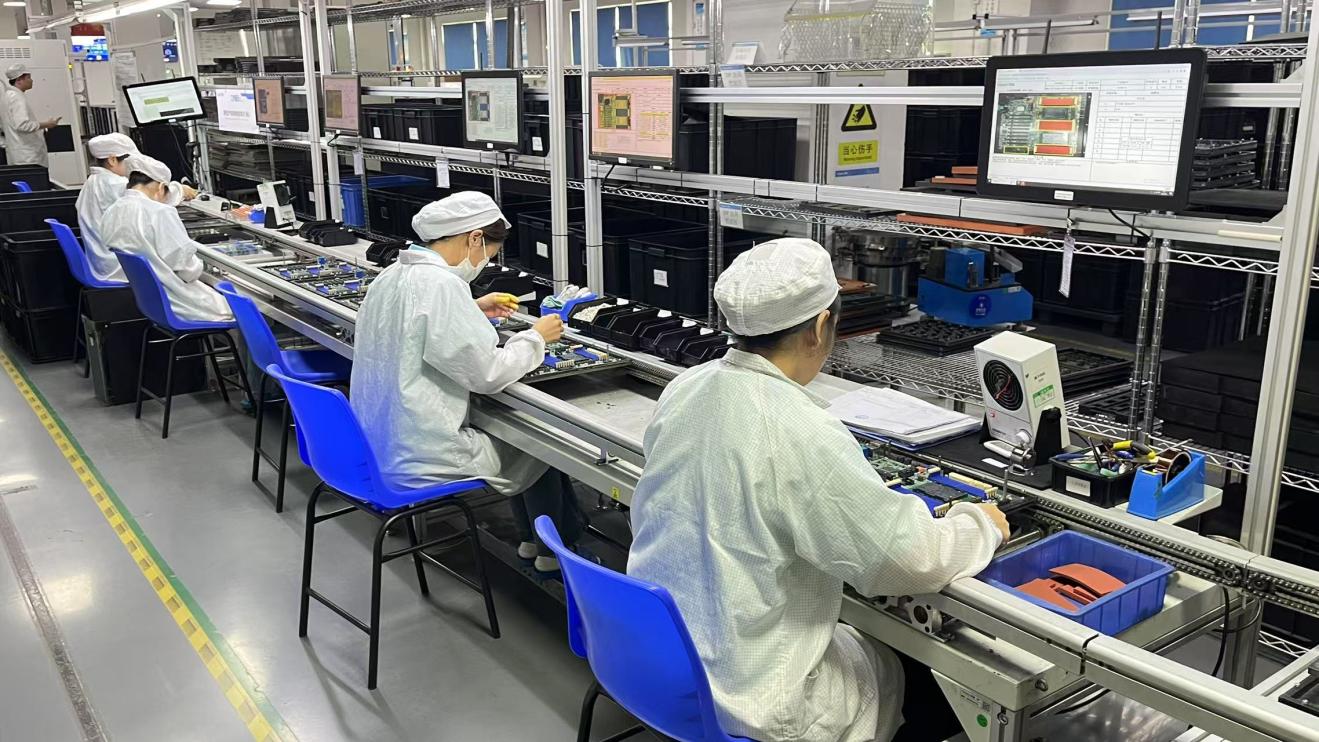
Quality control is foundational to our operations. Every server node undergoes strict incoming component inspection, assembly validation, thorough burn-in testing, performance benchmarking, and final product inspections prior to departure. Our dedicated quality control division features 46 trained specialists committed to keeping production standards at the highest levels.
Backed by a network of over 850 supply chain partners, Quantix serves a broad clientele: AI startups, cloud service providers, systems integrators, universities, research centers, and global datacenter operators.
Our dedicated R&D department contains 78 engineers specializing in hardware topology, thermal management, firmware optimization, and AI platform integration. We offer comprehensive OEM/ODM customization services, enabling custom server configurations, chassis branding, and direct-to-rack deployment systems. Last year, we introduced 126 new and upgraded solutions to meet the demands of the AI sector.

Providing ready-to-deploy enterprise architectural configurations for global operators.
Quantix develops hardware frameworks optimized for open system architectures. Whether running Linux distributions, Proxmox virtualization, or Kubernetes arrays, our configurations match compute nodes to your specific project needs.
For software-defined storage (SDS) deployments, we construct high-capacity server architectures with robust SAS and PCIe controller cards (such as the 9540-8i and 9560-8i series). These controllers ensure data security, multi-drive RAID stability, and high read/write speeds, even under sustained IOPS loads.
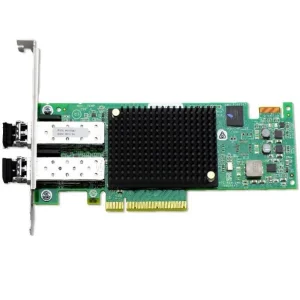
Furthermore, for workloads requiring extreme bandwidth, we integrate advanced dual-port FC32 Fibre Channel HBAs (like the Emulex LPe35002-M2). These cards establish reliable, high-speed connections between server processors and enterprise storage area networks (SANs).
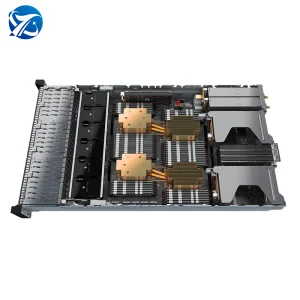
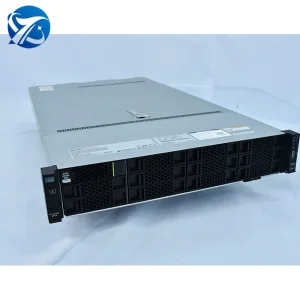
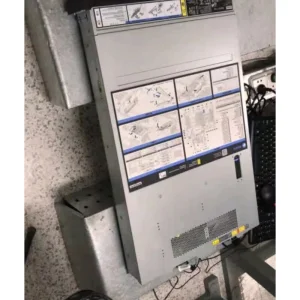
High-density rack servers, AI infrastructure nodes, and optical network interface units designed for complex deployment architectures.


Common questions from IT administrators, systems engineers, and technology buyers sourcing open hardware configurations.
Our hardware systems are engineered for operating system independence and platform compliance. They fully support CentOS, Ubuntu Server, Red Hat Enterprise Linux, Rocky Linux, and VMware ESXi, along with open management frameworks like OpenBMC. This compatibility lets system administrators run virtualized configurations, containers, and orchestration tools without proprietary hardware limitations.
We provide hardware configurations utilizing PCIe 4.0 and PCIe 5.0 lanes, SAS 12G/s backplanes, and NVMe pathways. For storage protection, we offer controllers like the 9540-8i RAID card, supporting RAID levels 0, 1, 10, 5, 50, 6, and 60. For external storage area network (SAN) integration, we offer dual-port 32Gb Fibre Channel host bus adapters (HBAs) like the Emulex LPe35002-M2, providing reliable, low-latency data transmission.
Through our comprehensive OEM/ODM services, our R&D engineering team designs and tailors physical configurations specifically for high-capacity GPU systems. We configure custom PCIe layouts, optimize power supply capabilities to support heavy compute modules, and adjust thermal fan maps. This ensures the physical hardware handles the intense, continuous workloads required for AI training and model deployment.
Every built server node goes through a five-stage verification process managed by our 46-member QC division. This includes: incoming component screening, assembly verification, a 24-to-72 hour high-temperature burn-in test, I/O performance benchmarking, and a final software-diagnostic verification. All test logs are documented and archived for quality tracking.