Quantix
Quantix
Quantix
Optimized x86 hardware, virtualization hosts, and high-security GPU-accelerated computing nodes preconfigured for low-latency identity management.
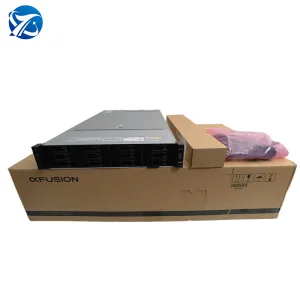
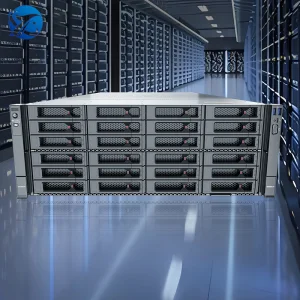
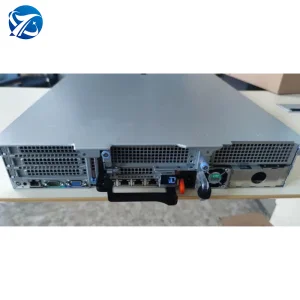
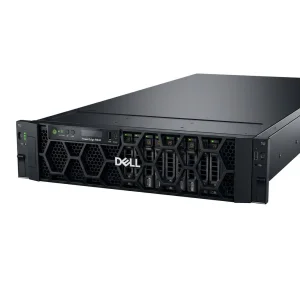
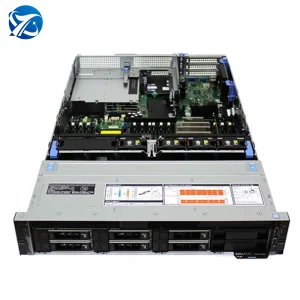
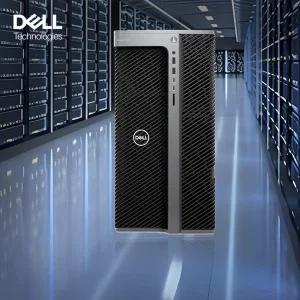
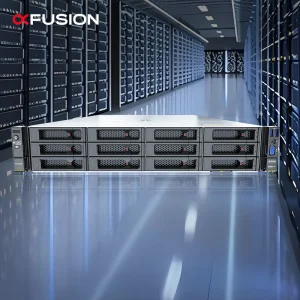
In modern hybrid cloud and local computing ecosystems, Microsoft Active Directory (AD) acts as the baseline core for identity verification, security protocol authorizations, and organizational resource mapping. Hosting domain controllers on low-tier, unoptimized hardware risks latency issues, replication errors, and leaves physical entry points open to system compromises.
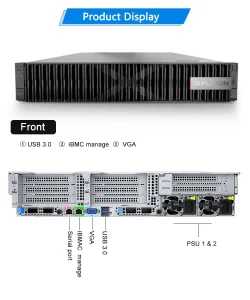
As a leading hardware engineering firm, Quantix Intelligent Computing Co., Ltd. develops enterprise-grade servers tailored to host LDAP services, DNS servers, and Kerberos validation engines. Our custom domain controller configurations guarantee seamless global replication, hardware-enforced protection, and round-the-clock service reliability.
Procuring custom systems for directory services requires balancing compute resources with I/O throughput. Large companies focus on key performance points:
Required Uptime for Directory Authentication
LDAP Request Latency Target
Hardware-Accelerated Identity Encryption
Concurrent Active Objects Capability
Leveraging extensive R&D experience and dynamic supply chain partnerships to deliver optimized enterprise server platforms worldwide.
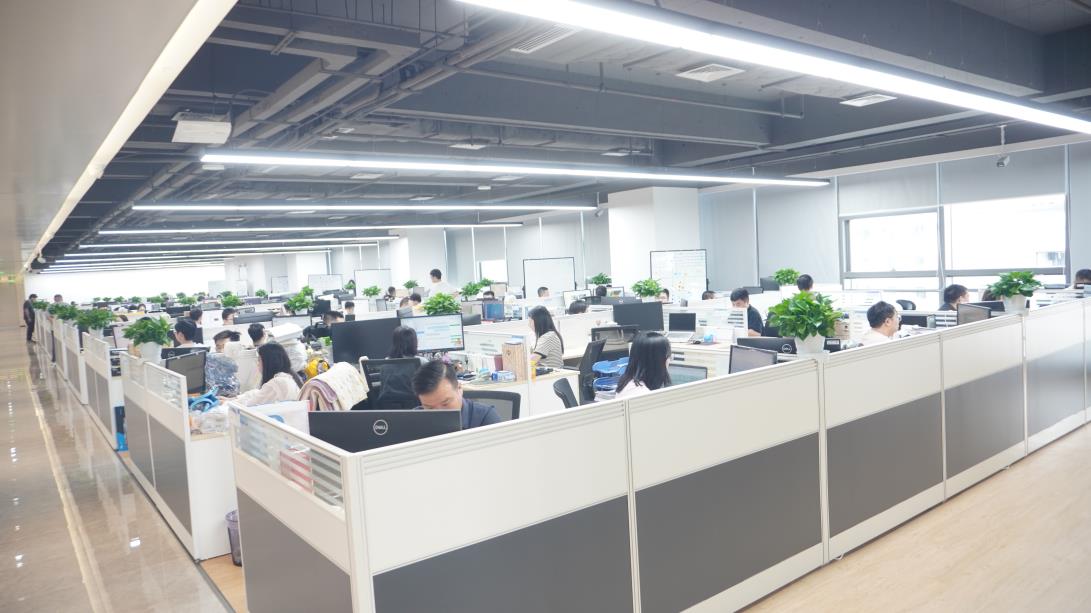
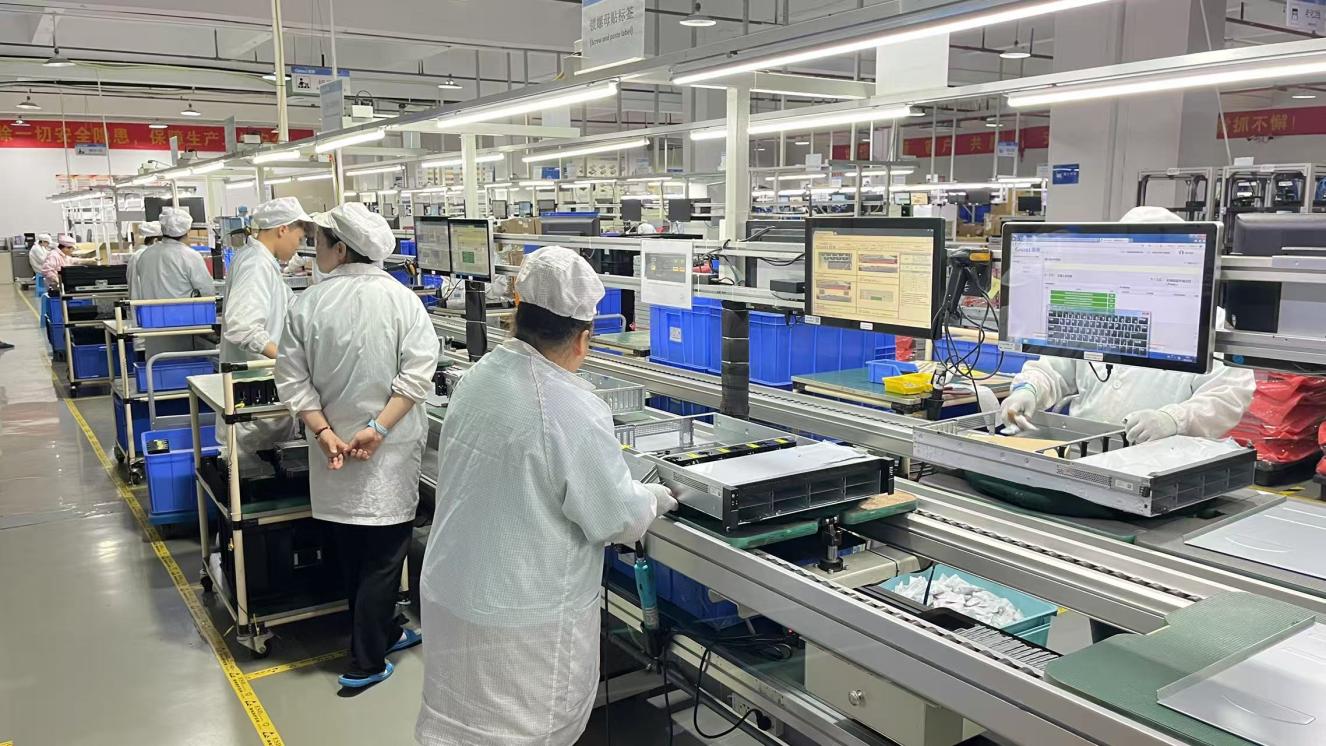
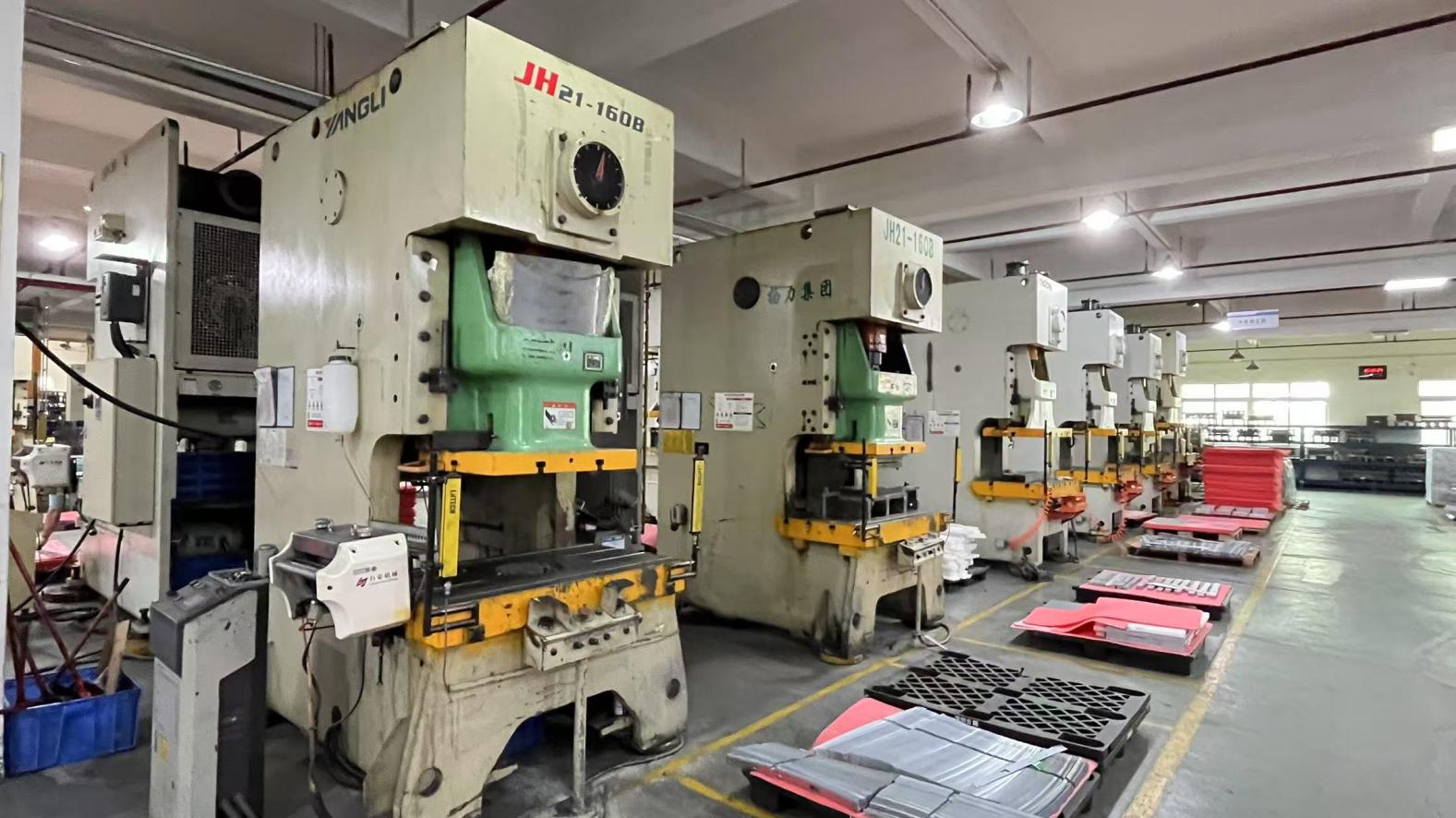
Founded in 2017 in China, Quantix combines deep engineering knowledge with advanced manufacturing capabilities. Our design specialists build reliable, cost-effective identity verification systems and complex computing hardware.
Our 78 engineering experts customize server bios layouts, cooling fan systems, interface panels, and client-specific validation environments. This allows enterprises to tailor hardware setups to match legacy setups perfectly.
Operating a modern facility covering 420 square meters, we export across North America, Europe, Australia, and the Middle East, generating over USD 18 million in annual export revenues.
Analyzing custom specifications designed for bare-metal Domain Controllers and high-availability virtualization host deployments.
| Deployment Model | Target Enterprise Size | Recommended Processor (CPU) | Memory (ECC DDR5) | Storage System (RAID Config) | Network Controller Options |
|---|---|---|---|---|---|
| Dedicated Physical Domain Controller | 1,000 to 10,000 Active Objects | Intel Xeon Silver / AMD EPYC 8000 Series (8-16 Cores) | 32GB - 64GB DDR5 ECC | 2x 480GB Enterprise SATA SSDs (RAID 1) | Dual-port 1 GbE + Dual-port 10 GbE Base-T |
| Virtualization Host (Hyper-V / VMware ESXi) | 10,000 to 100,000 Active Objects | Intel Xeon Gold 5412U / AMD EPYC 9004 Series (24-32 Cores) | 128GB - 256GB DDR5 ECC | 4x 960GB NVMe PCIe Gen4 SSDs (RAID 10) | Dual-port 10/25 GbE SFP28 Optical |
| High-Load Consolidated Datacenter DC | Over 100,000 Active Objects | Dual Intel Xeon Gold or EPYC Enterprise (64+ Cores) | 512GB+ DDR5 ECC | 8x 1.92TB NVMe PCIe Gen5 SSDs (Hardware RAID 10) | Quad-port 25 GbE / 100 GbE SFP56 Low-Latency |
| Micro Branch / DMZ Read-Only DC (RODC) | Remote Offices (<1,000 Objects) | Low-power Intel Xeon D-series or Intel Core-based Server | 16GB DDR5 ECC | 2x 240GB M.2 SATA SSDs (RAID 1) | Dual 1 GbE Ports (Copper) |
Unlike resource-heavy database programs or real-time media encoding systems, active directory services are primarily limited by Memory Latency and Network Interface I/O capacity. The entire NTDS.dit database is cached within the server's system memory (RAM). When read volumes scale to millions of continuous identity checks, delays in RAM processing cause latency spikes. At Quantix, we build memory subsystems that support multi-channel DDR5 ECC configurations, eliminating memory-based communication bottlenecks.
As identity boundaries shift toward modern Zero-Trust systems and hybrid cloud workloads, domain controller hardware must adapt. Security models are transitioning away from simple username and password checks, requiring servers that can handle advanced authentication processes directly.
Quantix is designing its upcoming hardware lines to meet these requirements:
Quantix ensures every customized server system adheres to strict global data protection rules, making sure identity databases remain secure and fully compliant.
Get answers to critical technical questions about selecting, deploying, and optimizing hardware for Active Directory environments.
Generic cloud servers share infrastructure with other tenants, which can cause unpredictable latency spikes that affect real-time identity verification. Running domain controllers on customized local hardware ensures consistent CPU power and fast disk read/write speeds, both critical for processing LDAP and Kerberos requests quickly. Local configurations also give you full control over security, allowing you to use dedicated HSMs and custom BIOS settings to prevent firmware tampering.
The main factor in determining RAM size is the size of the NTDS.dit database file, which contains all directory objects, user accounts, group configurations, and policy definitions. Ideally, system RAM should be large enough to load the entire database file directly into memory, with extra capacity allocated for the operating system and management tools. A database with 50,000 users typically requires 32GB of RAM, while larger setups with millions of entries will need 128GB or more to avoid relying on slower disk storage.
For primary domain controllers, we recommend RAID 1 using dual enterprise-grade NVMe SSDs. Since domain services mostly process read queries, RAID 1 provides excellent read speeds and full redundancy. For host servers running multiple virtualized domain controllers alongside other infrastructure services, RAID 10 using enterprise NVMe drives delivers the best mix of high-speed performance and fault tolerance, keeping authentication services online even if multiple drives fail.
Most basic Active Directory authentication tasks run as single-threaded processes. This means processors with higher clock speeds (GHz) generally resolve requests faster than those with high core counts running at lower speeds. However, for large networks handling thousands of simultaneous login requests, multi-core processors (such as 16 to 32 cores) are recommended to process parallel requests efficiently and prevent system bottlenecks during peak login times.
We build our motherboards with cryptographic micro-controllers that verify the boot sequence signature before launching the system firmware. Our servers also feature Trusted Platform Modules (TPM 2.0) that securely store encryption keys and system credentials. This hardware-level protection prevents attackers from running modified or malicious code, protecting your identity database from unauthorized physical access.
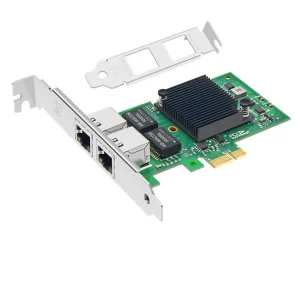
For branch offices, dual-port 1GbE network interfaces are usually sufficient to handle typical traffic. However, primary servers at central hub sites require high-speed dual-port 10GbE or 25GbE optical network cards. These interfaces support advanced features like RDMA (Remote Direct Memory Access), which helps speed up data transfers between virtual machine hosts and ensures directory changes sync quickly across the network.
Yes, all Quantix server hardware is fully certified to work with industry-standard virtualization platforms, including Microsoft Hyper-V, VMware ESXi, and Proxmox VE. We can pre-configure system settings during assembly, adjusting features like SR-IOV and hardware virtualization support so your virtual machines can access system resources with minimal delay.
We provide comprehensive OEM/ODM customization, including custom chassis styling, specialized cooling configurations, and tailored port layouts. On the software side, we can pre-load specific operating systems, configure custom BIOS settings, and apply security profiles during assembly. This ensures your hardware arrives fully configured and ready for quick deployment in your datacenters.
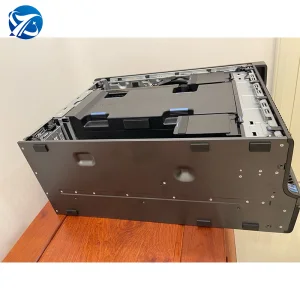
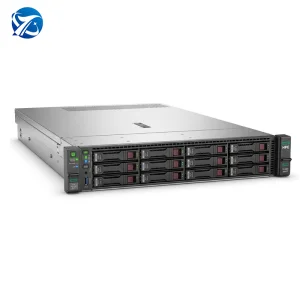
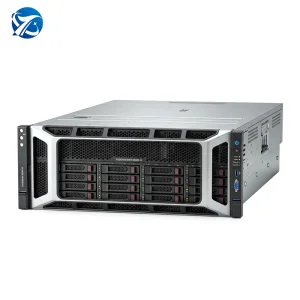
Select high-performance RAID controllers, expansion cards, and dense storage chassis to build resilient identity storage nodes.
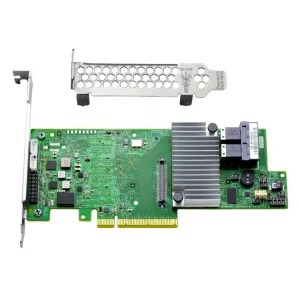
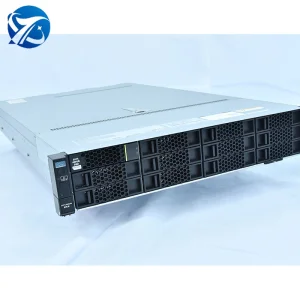
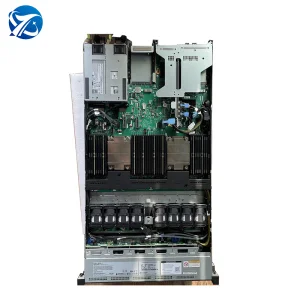
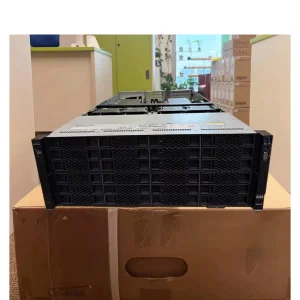
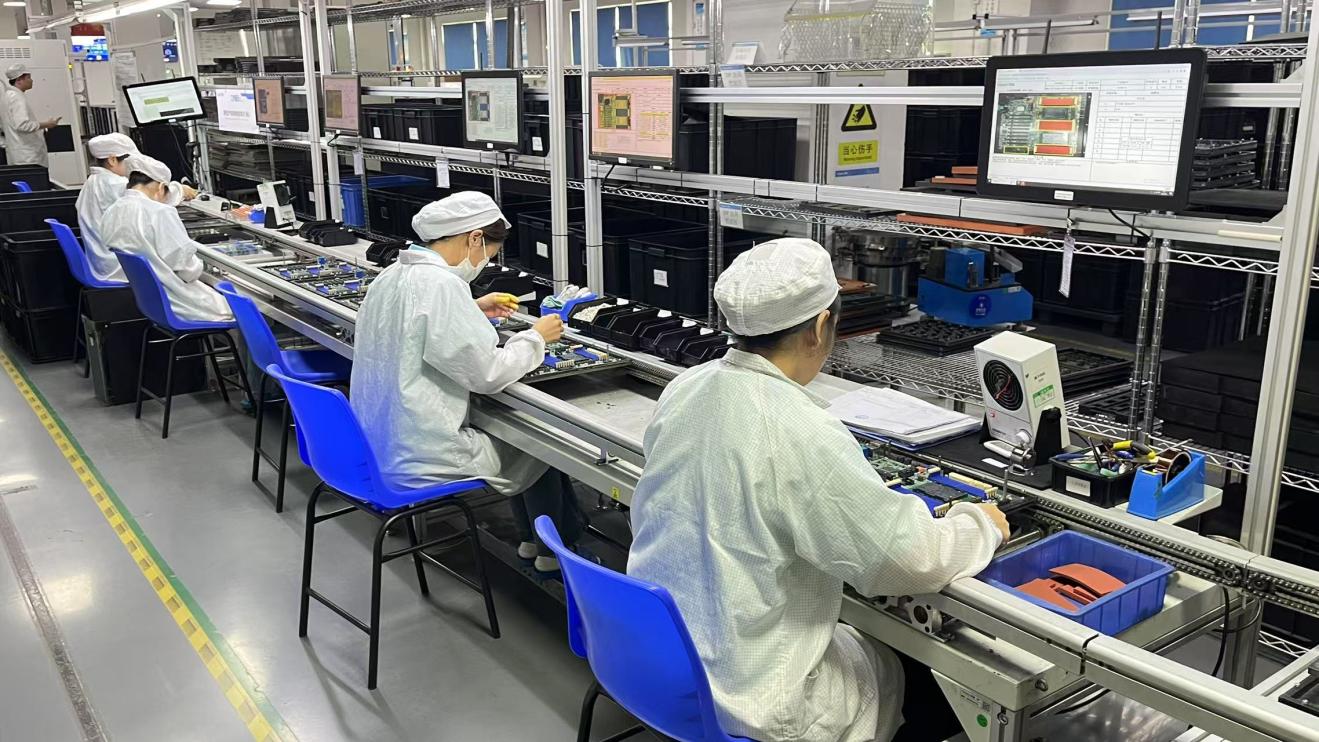
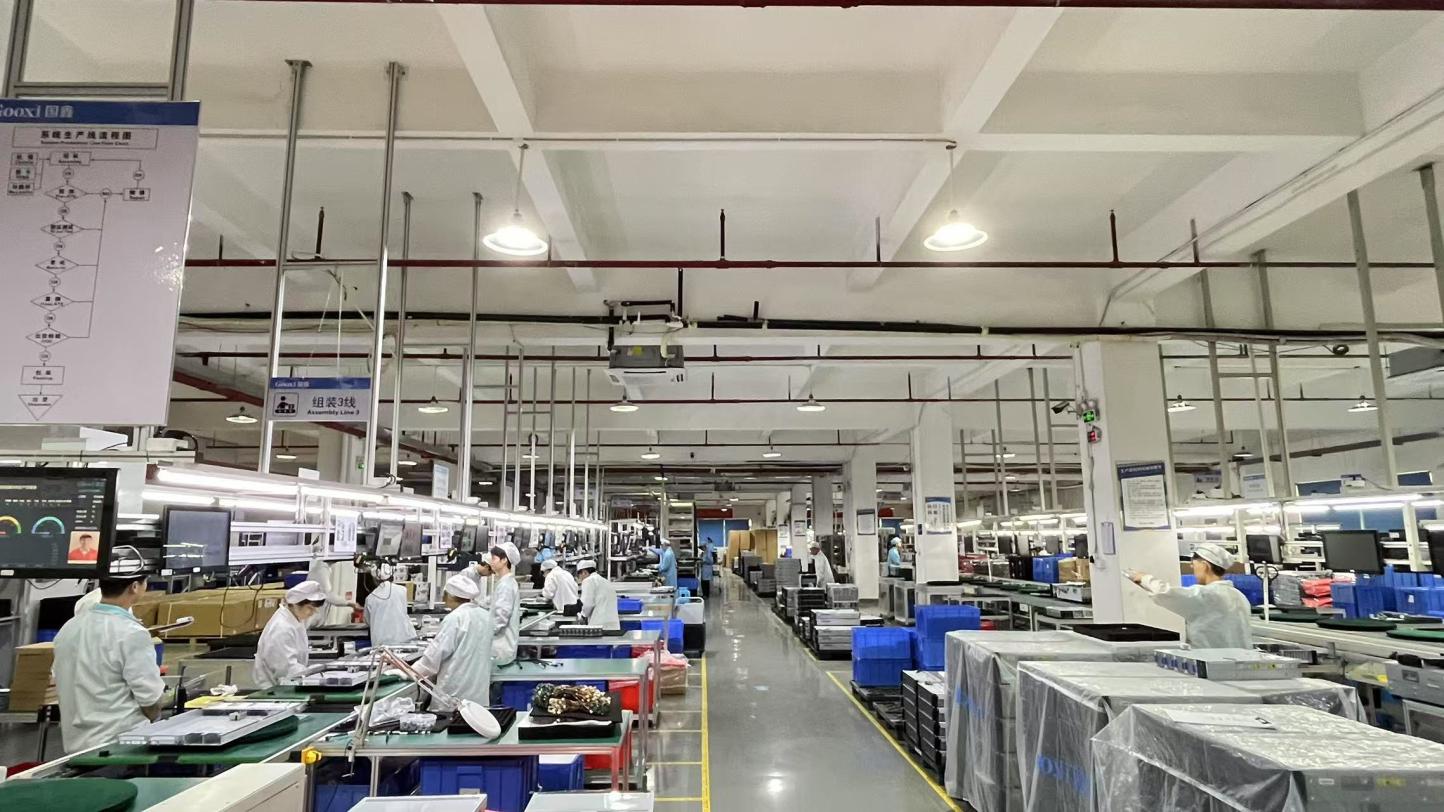
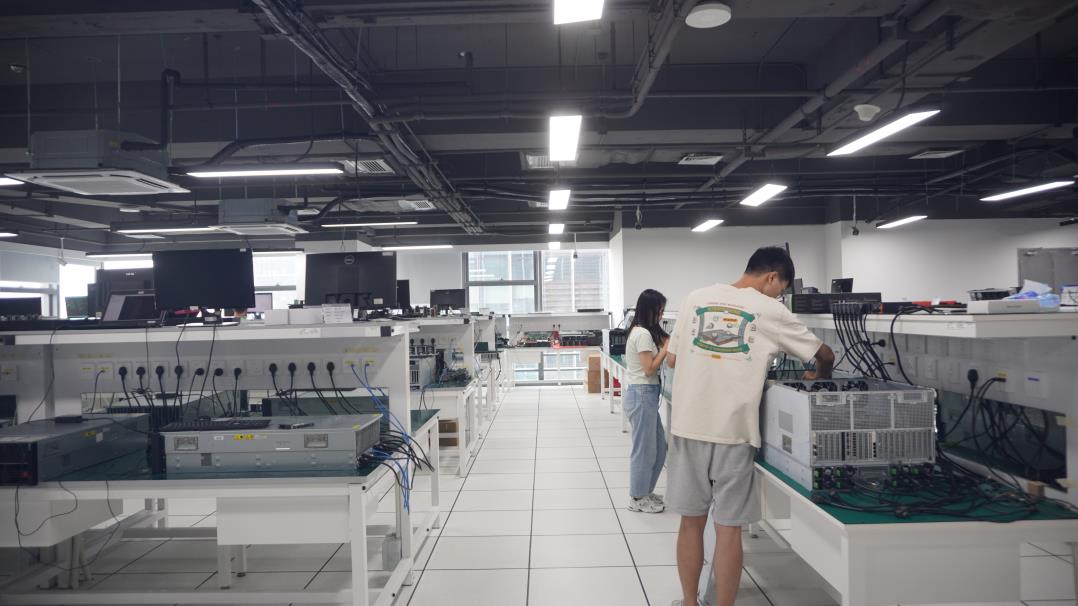
Inside Quantix: Advanced cleanrooms, strict quality controls, and high-performance server testing environments.