Quantix
Quantix
Quantix
The hyper-growth of generative AI models like DeepSeek, combined with the exponential volume of IoT datasets, has fundamentally reshaped global corporate storage needs.
Historically, enterprise storage was centered around SAN (Storage Area Network) and NAS (Network-Attached Storage) devices engineered primarily for transactional data and document silos. Today, high-performance computing (HPC) workflows and AI model training deployments demand ultra-low latency, vast horizontal scalability, and continuous data ingestion.
To bridge this performance gap, Tier-1 system architects are utilizing Software-Defined Storage (SDS) run on NVMe over Fabrics (NVMe-oF). This structure decouples the storage control plane from raw hardware capacities, allowing real-time scaling of storage performance. This optimization facilitates deep neural network training pipelines by preventing memory or IOPS degradation.
Equipped to resolve structural bottlenecks in artificial intelligence training phases. All-Flash storage provides millions of IOPS at sub-millisecond latencies, satisfying high concurrent read demands.
Optimizes operations by dividing workloads. Active models are trained on-premises using dedicated low-latency hardware, while inactive assets are transferred to secure cloud repositories.
Placed locally to process and filter high-throughput sensor telemetry at the source. This architecture limits unnecessary bandwidth strain on core networks.
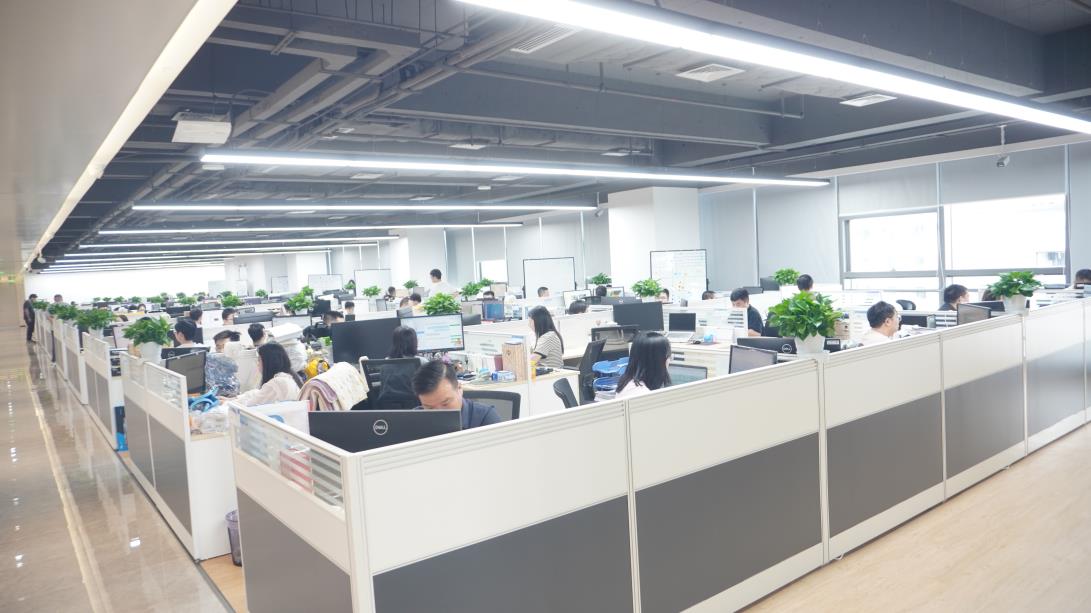
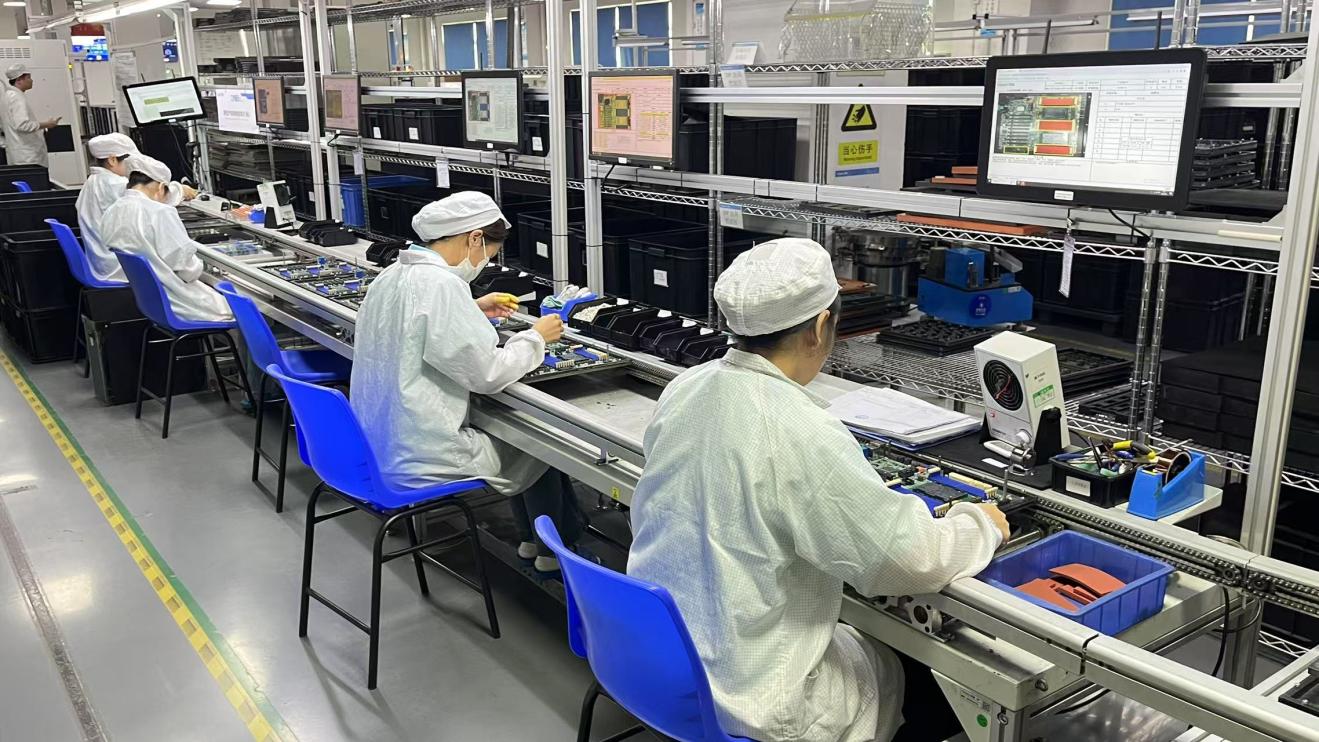
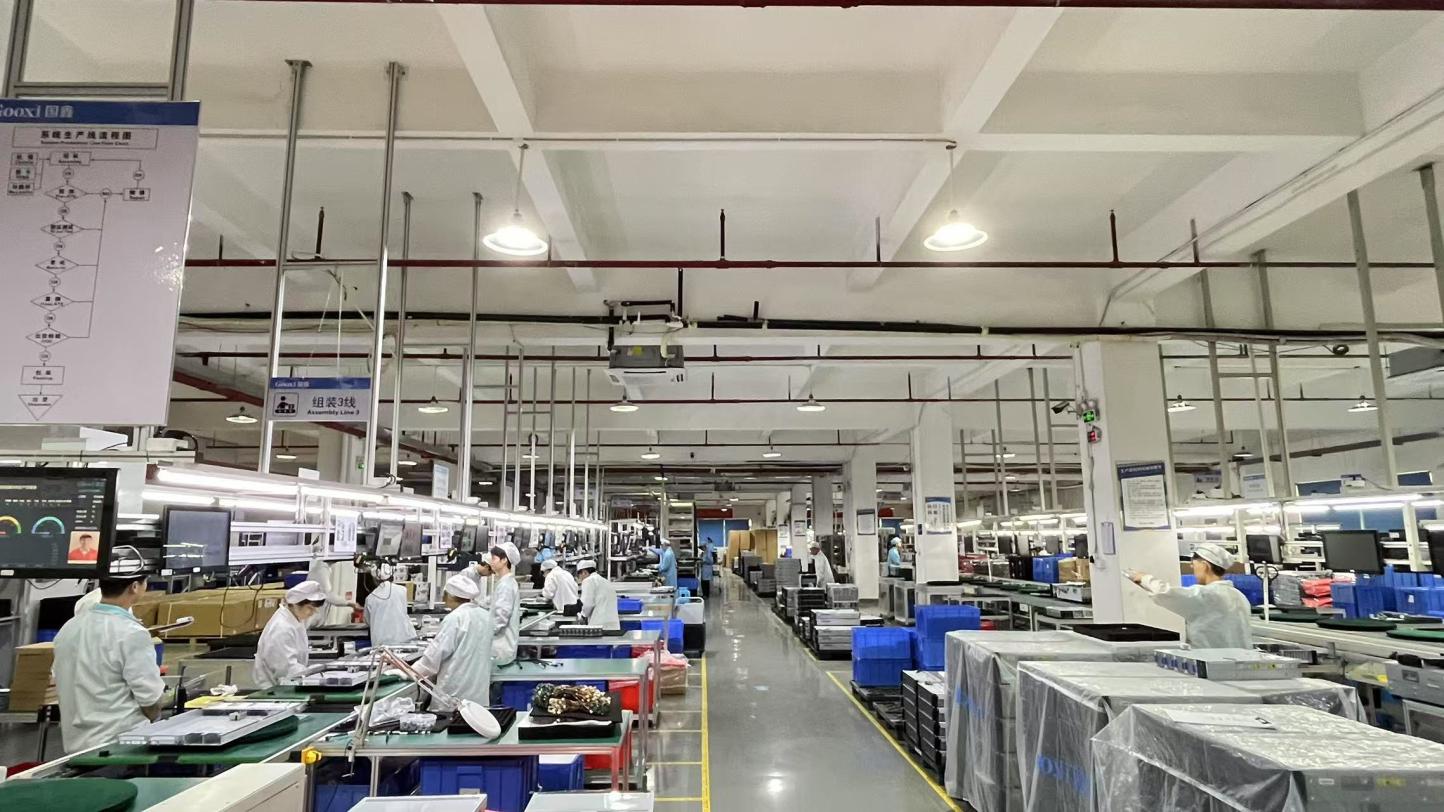
Founded in 2017, Quantix Intelligent Computing Co., Ltd. is a leading GPU server manufacturer and AI infrastructure solution provider based in China.
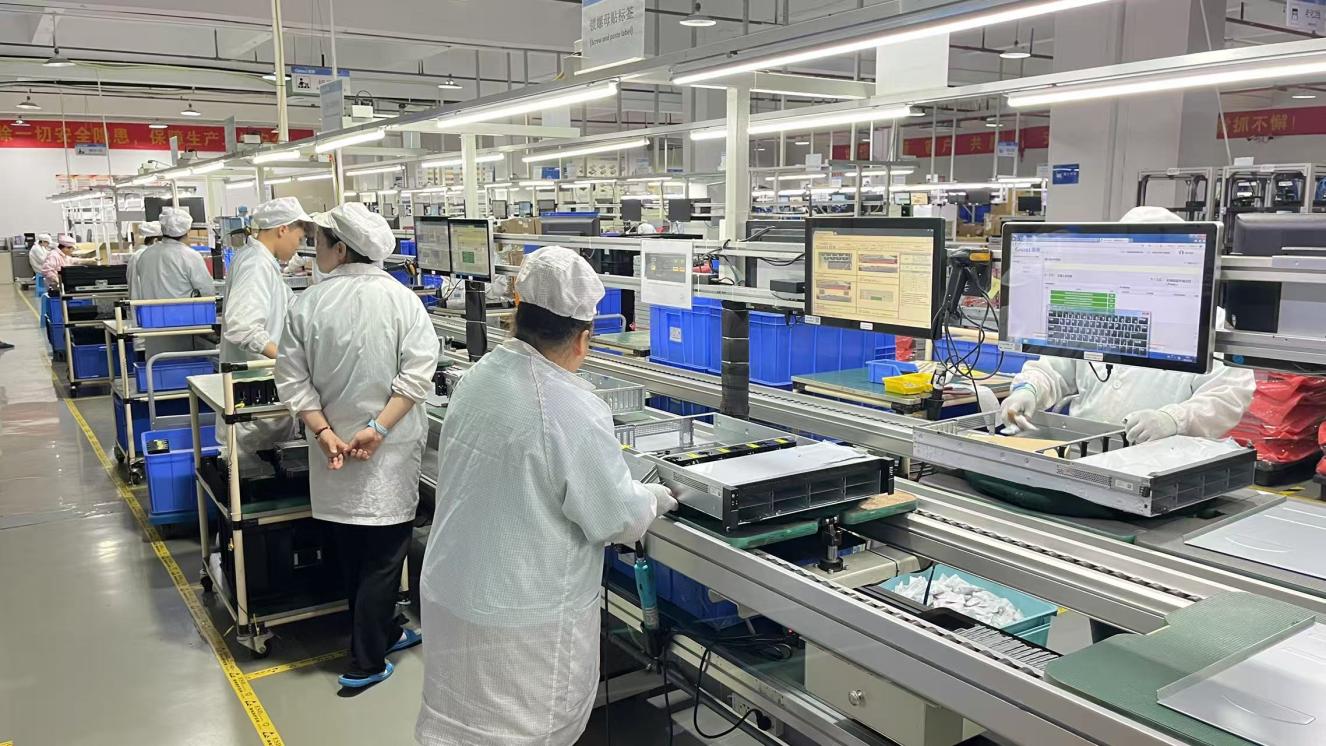
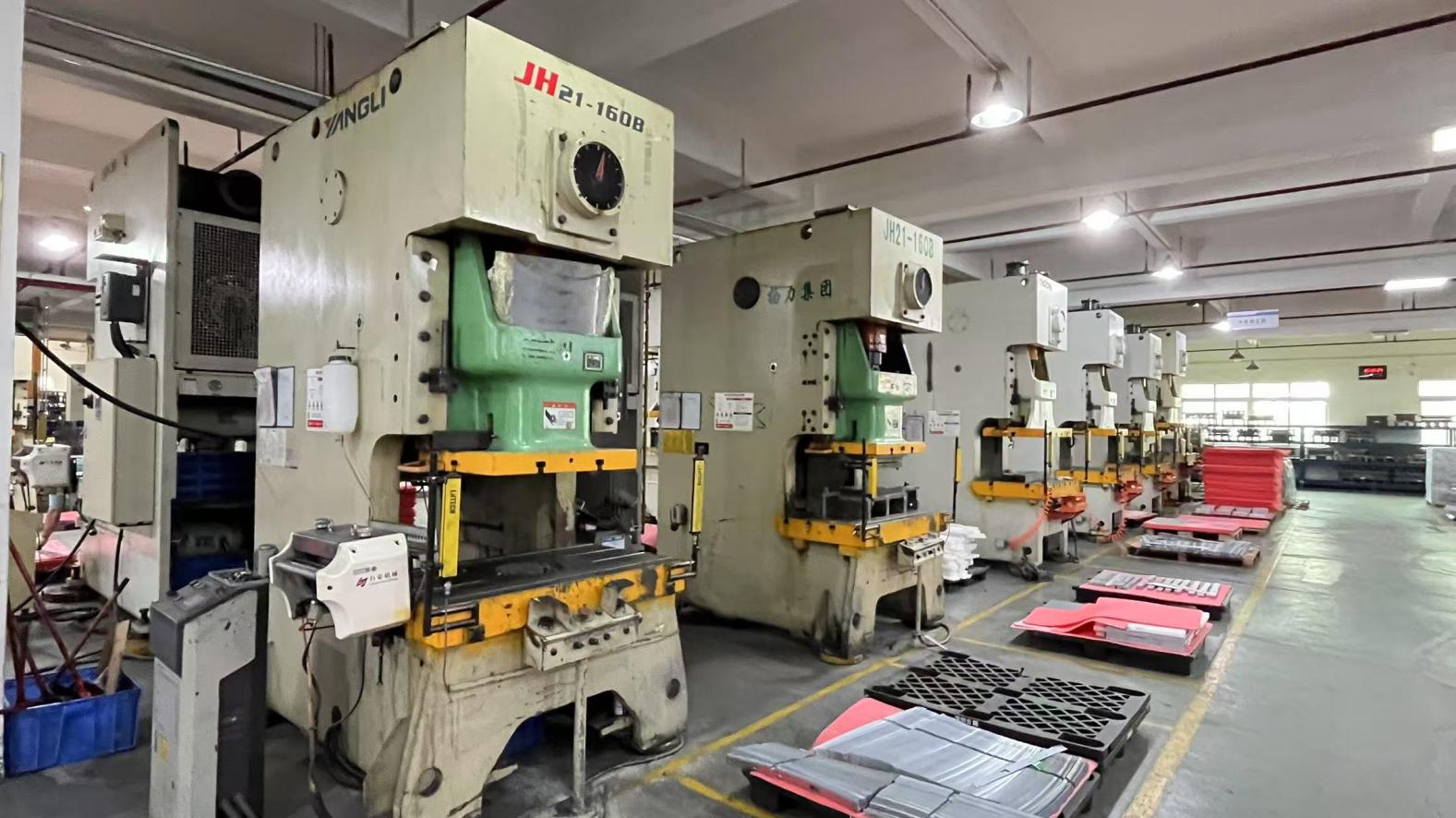
We specialize in the design, development, and production of high-performance GPU servers, AI training systems, HPC clusters, and customized computing solutions for global customers. Operating from a modern manufacturing facility covering 420 square meters, Quantix combines advanced production capabilities with a strong R&D foundation to deliver reliable, scalable, and cost-effective computing hardware.
With over 9 years of export experience and 14 years of industry expertise, Quantix has established long-term partnerships with customers across North America, Europe, Southeast Asia, the Middle East, and Australia. Our annual export revenue exceeds USD 18 million, reflecting our commitment to quality, innovation, and customer satisfaction.
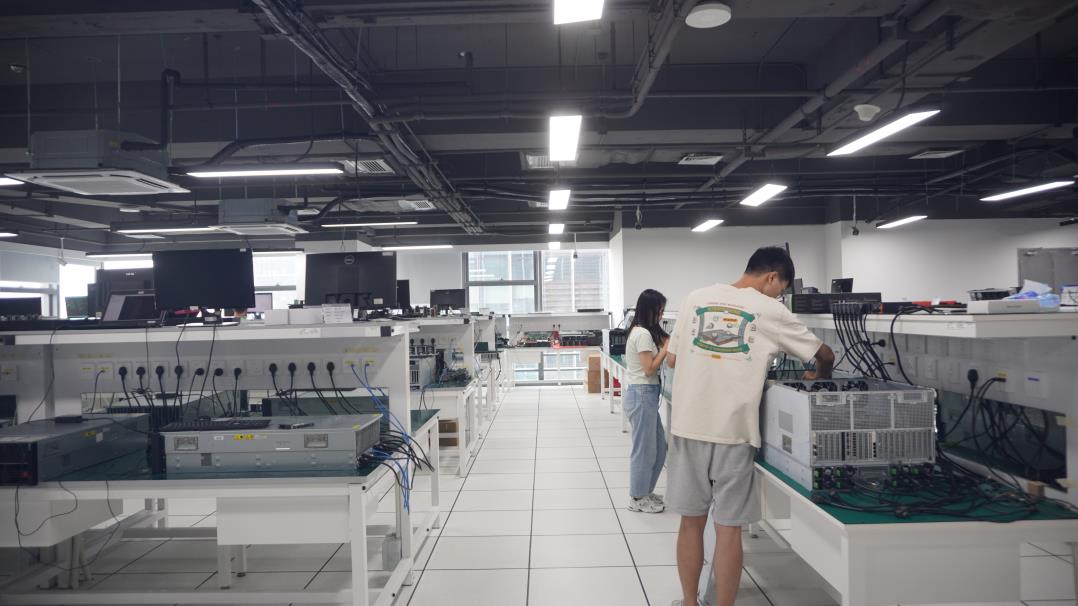
Quality is at the core of everything we do. Every server undergoes strict incoming material inspection, assembly verification, burn-in testing, performance benchmarking, and final product inspection before shipment. Our quality control team consists of 46 experienced professionals dedicated to maintaining the highest standards throughout the manufacturing process.
Supported by more than 850 supply chain partners, Quantix serves a diverse customer base including AI startups, cloud service providers, system integrators, universities, research institutions, enterprises, and data center operators worldwide. Innovation drives our growth. Our R&D department includes 78 engineers specializing in hardware architecture, thermal design, firmware optimization, and AI computing solutions. We offer comprehensive OEM and ODM services, enabling customers to customize server configurations, GPU platforms, chassis designs, branding, packaging, and deployment solutions according to their specific requirements.
Last year alone, Quantix successfully launched 126 new products and upgraded solutions, further strengthening our position in the rapidly evolving AI computing industry. As a trusted global partner, Quantix is committed to empowering businesses with cutting-edge GPU computing infrastructure, delivering exceptional performance, reliability, and value for the future of artificial intelligence and high-performance computing.
Industrial requirements dictate hardware configurations. Standardized, one-size-fits-all server chassis fall short when faced with localized operational challenges.
High-density GPU nodes require high throughput storage systems to feed graphics processors. Storage arrays equipped with PCIe Gen 4/5 interfaces prevent pipeline delays, facilitating efficient deep learning and parameter optimization.
Decentralized micro-centers deployed in varying climates require resilient, shallow-depth server configurations. These compact chassis optimize spaces while maintaining critical thermal dissipation profiles.
For banking and algorithmic trading platforms, microseconds equal millions. Employing high-speed RAID controllers equipped with DDR4/DDR5 hardware cache ensures transaction logs are saved immediately without slowing processing pipelines.
Industrial plants require robust storage arrays to handle continuous streams of IoT diagnostics. These localized units process operational telemetry on-site, limiting remote bandwidth costs.
Hospital systems demand high-capacity storage for high-resolution 3D medical scans. Utilizing NAS systems with redundant disk arrays ensures patient files remain safe and accessible.
Broadcasting networks require high concurrent read capacity to stream high-definition video files. Optimized NVMe setups prevent buffering, providing a smooth user experience.
As hardware architectures approach physical scaling limits, storage systems are transitioning from passive components to active, intelligent processing nodes.
Adopting Compute Express Link (CXL) protocol standards enables unified access across GPU, CPU, and storage system registers. This architectural shift eliminates host bus bottlenecks, creating shared memory systems that optimize resource allocation.
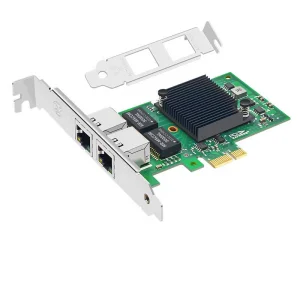
Integrating PCIe Gen 6 system architectures doubles data transfer rates, while intelligent Network Interface Cards (SmartNICs) process packet routing and encryption directly. This reduces main CPU workloads, optimizing overall throughput.
To combat rising thermal loads from high-density server configurations, next-generation arrays will rely on direct-to-chip liquid cooling systems. This upgrade allows operators to lower cooling costs while maintaining peak storage performance.
China's manufacturing networks provide structural cost and timeline advantages, helping global clients optimize lead times and scale capacity.
By grouping component fabrication, PCB assembly, testing facilities, and chassis factories in geographic clusters, manufacturers reduce lead times and logistics delays. Access to nearby raw materials and specialized fabrication equipment speeds prototype iteration cycles, helping system integrators launch systems in weeks rather than quarters.
In addition, local sourcing of key electrical sub-assemblies, power delivery modules, and chassis structural pieces reduces total cost of ownership. These cost benefits allow buyers to route more budget toward high-cost system components like DRAM modules, enterprise storage drives, and high-performance accelerators.
Navigating complex international regulatory landscapes requires a compliance-focused hardware strategy.
Products are manufactured in facilities meeting CE, FCC, RoHS, and UL certification requirements, ensuring compliant deployment into North American, European, and Asia-Pacific markets.
Hardware-level AES-256 encryption engines and built-in TPM module architectures protect sensitive user records and align with strict regional data sovereignty policies.
Dedicated support teams provide setup guidance, firmware updates, and component troubleshooting services to minimize system downtime.
Technical answers to common enterprise server and storage integration questions.